
New Opportunities for Sahrawis Amidst Legal Changes
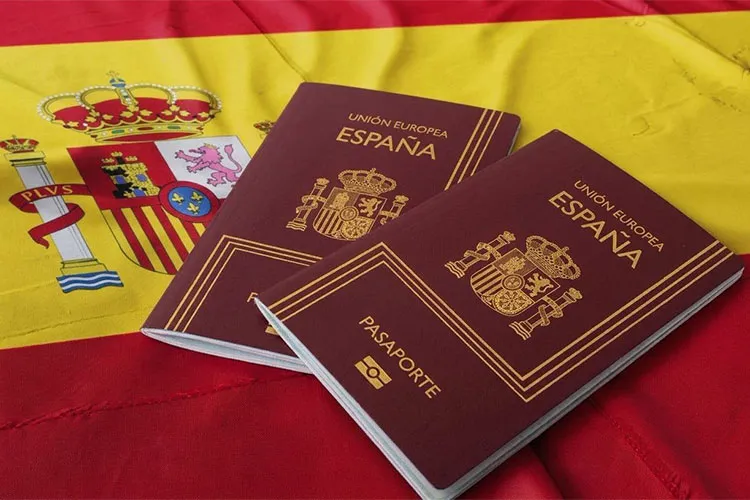
The recent approval by the Spanish parliament of legislation that facilitates citizenship for Sahrawis born during the Spanish colonial rule in Western Sahara has invigorated the Sahrawi quest for self-determination. This legislative action has not only legal implications but also reignites international discourse regarding Morocco's ongoing colonization of Western Sahara. By situating the Western Sahara issue within the broader context of Africa's unfinished decolonization process, Sahrawi advocates have seized an opportunity to draw renewed global attention to their plight.
The proposed legislation identifies around 110,000 Sahrawis as potential beneficiaries, specifically those born before Spain's withdrawal from the territory in 1975. This could also extend to their descendants, significantly increasing the number of eligible individuals. According to United Nations classifications, Spain remains the administering power of this non-self-governing territory, thereby granting these Sahrawis a vested interest in the future of Western Sahara. The emergence of a substantial constituency of Spanish citizens with a stake in this issue could lead to influential lobbying efforts within Spain and potentially at the European Union level in Brussels.
Implications for Morocco and the Demographic Landscape
While Morocco has expressed its discontent with this development, an official response has not yet been articulated. This hesitation may stem from the political pressures surrounding Morocco's involvement with the influx of approximately 80,000 irregular Moroccan migrants into the Spanish enclave of Ceuta. Critics within Moroccan media and political circles have denounced the legislation as contradictory to an understanding reached between King Mohammed VI and Spanish Prime Minister Pedro Sánchez in March 2022, wherein Spain shifted its support to endorse Morocco's autonomy proposal for Western Sahara.
According to analysts, the identification of 110,000 eligible Sahrawis could undermine Morocco's demographic assertions regarding the territory, which Rabat has historically manipulated to reinforce its claim over Western Sahara. By establishing this number of eligible citizens based on their birth before the Moroccan occupation, Spain has effectively challenged Morocco's narrative regarding the population census. This revelation holds significant implications for the long-standing dispute over demographic data, which has been pivotal in discussions regarding voter eligibility for a potential referendum on self-determination. The ongoing contention over who qualifies for the referendum has been exacerbated by Morocco's insistence on including the descendants of settlers who participated in the 1975 Green March, an assertion firmly rejected by the Polisario Front, the legitimate representative of the Sahrawi people.
In conclusion, Spain's legislation has the potential to reshape the political landscape for Sahrawis, creating pathways for political engagement and advocacy that may challenge Morocco's influence in Spanish and European institutions. As citizens of Spain and thus the European Union, eligible Sahrawis will gain rights that empower them to participate in political life, potentially forming advocacy groups and lobbying efforts that could advance their central cause: the pursuit of self-determination and the end of colonial rule in Western Sahara. This legislative change has rekindled discussions about Spain's colonial legacy and its legal obligations regarding Western Sahara, highlighting a critical juncture in the ongoing struggle for justice and autonomy faced by the Sahrawi people.
As reported by echoroukonline.com.