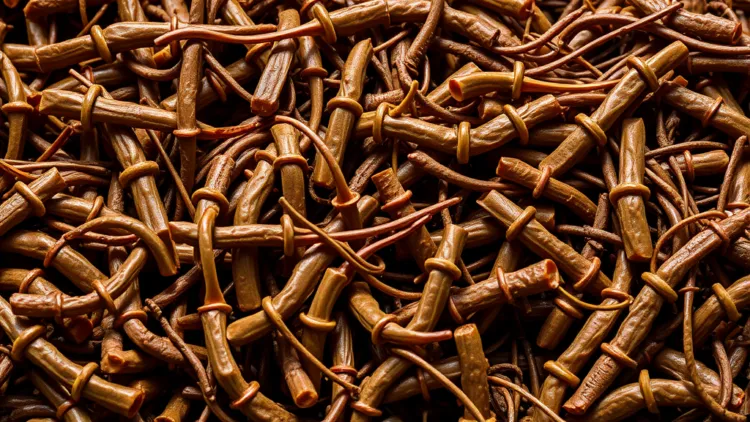

Diabetes has emerged as one of the most pressing health challenges of the twenty-first century, with the International Diabetes Federation projecting that the number of individuals afflicted by this chronic condition will reach unprecedented levels in the coming decades. Type 2 diabetes, the most prevalent form, is closely associated with the body's management of dietary carbohydrates. Among the most effective therapeutic strategies employed against this condition has been the inhibition of digestive enzymes responsible for converting carbohydrates into glucose. In a significant breakthrough, a collaborative team of researchers from Morocco, Turkey, and Saudi Arabia has turned to an unexpected source for the next generation of enzyme inhibitors: the rocky coastal waters, where a modest brown alga known as Cladostephus spongiosus may harbor potent compounds against elevated blood sugar levels.
In a pioneering study published in the journal Plant Biosystems, Youssra Aalilou from Mohammed V University in Rabat, along with her colleagues, provided the first detailed laboratory and computational analysis of the antidiabetic properties of C. spongiosus, a branching brown seaweed belonging to the Cladostephaceae family. This research integrated traditional enzyme inhibition assays with advanced computational techniques, including molecular docking, binding interaction analysis, molecular dynamics simulations, and ADMET predictions, all aimed at answering a fundamental question: can this marine organism and the nine bioactive compounds previously identified in its extracts effectively inhibit the two primary enzymes responsible for post-meal glucose spikes?
The experimental framework employed by the researchers was grounded in decades of medicinal chemistry principles. They prepared five different extracts of the alga using solvents with varying polarities, a method that allows for the separation of the plant's diverse chemical constituents. Each extract was rigorously evaluated for its capacity to inhibit alpha-glucosidase and alpha-amylase, the two key enzymes in the human digestive system whose inhibition serves as the pharmacological foundation for widely prescribed antidiabetic medications such as acarbose. By obstructing these enzymes, the conversion of complex carbohydrates into absorbable glucose is delayed, thus moderating the blood sugar response following meals and alleviating the chronic metabolic strain that can inflict damage on blood vessels, nerves, and organs in individuals with diabetes.
The findings of this research were compelling. Among the five extracts tested, the ethanol extract emerged as the most effective, exhibiting significant dual inhibition of both enzymes. Specifically, the ethanol extract inhibited alpha-glucosidase at a potency equivalent to 4.28 mmol of acarbose per gram of extract, illustrating its strength relative to the clinically established drug. Additionally, it demonstrated an impressive inhibition of alpha-amylase, with an IC50 value of just 9.73 micrograms per milliliter in a sensitive assay, indicating that even minimal concentrations of the extract could substantially reduce enzyme activity. Such promising results suggest the existence of a rich array of inhibitory compounds working synergistically within the extract.
However, raw extracts are complex mixtures, leading the Moroccan-led research team to delve deeper into their constituents. Building on their earlier phytochemical investigations, the researchers utilized computational methods to analyze nine identified compounds to ascertain which ones could plausibly account for the observed enzyme inhibition. Molecular docking techniques were employed to predict how each compound would fit into the active sites of alpha-glucosidase and alpha-amylase, while binding interaction analysis examined the specific forces holding each compound in place at the microscopic level.
Recognizing the limitations of docking studies, which often rely on static models, the team conducted molecular dynamics simulations to observe how the predicted complexes would behave in a more dynamic and realistic environment. The compounds that maintained stable interactions throughout these simulations were deemed the most credible candidates for further development. Notably, four compounds stood out: loliolide, isololiolide, herniarin, and a monocrotaline isomer. These molecules present an intriguing profile; loliolide and isololiolide are small oxygenated lactones derived from carotenoid degradation, while herniarin, a methoxylated coumarin, is a class of compounds with a long history of medicinal use. The monocrotaline isomer, representing a pyrrolizidine alkaloid framework, necessitates careful toxicological evaluation, which underscores the importance of comprehensive assessments.
To further validate their findings, the researchers conducted ADMET predictions to estimate how these candidate molecules would behave within the human body regarding absorption, distribution, metabolism, excretion, and toxicity. Utilizing graph-based pharmacokinetic prediction tools, they evaluated whether their top enzyme inhibitors exhibited drug-like properties or raised any concerns that could hinder their development into therapeutic agents. This integration of pharmacokinetic assessments with docking and dynamics data reflects a significant evolution in natural products research, where the focus is not only on whether a compound binds to a target but also on its potential for clinical applicability.
The implications of this research are significant, especially considering the underexplored potential of marine ecosystems compared to terrestrial biodiversity. Seaweeds are known to produce a plethora of bioactive molecules, with documented benefits spanning antioxidant, antimicrobial, anti-inflammatory, and antihyperglycemic effects. Brown macroalgae, in particular, have garnered increasing attention for their functional food and pharmaceutical properties. C. spongiosus, specifically, has been the subject of previous studies examining its volatile and antioxidant profiles, with the current work building on the team’s earlier phytochemical characterizations.
While the findings remain at the exploratory stage, consisting of in vitro enzyme assays and computational simulations rather than human trials, the authors are careful to position their work as a crucial step in identifying C. spongiosus as a promising source of bioactive compounds for antidiabetic drug discovery, rather than a ready-to-use treatment. Nevertheless, the convergence of robust enzyme inhibition in the ethanol extract, a shortlist of compounds with stable predicted binding affinities to both therapeutic targets, and initial drug-likeness profiling provides a valuable foundation for future natural product discovery. Should subsequent studies confirm that loliolide, isololiolide, herniarin, or their algal counterparts exhibit similar inhibitory effects in living systems as suggested by computational models, this modest tufted seaweed from the Atlantic and Mediterranean coasts may play a significant role in the global battle against diabetes.
As reported by bioengineer.org.