
Sumar Accuses Morocco of Supporting Far-Right Interests
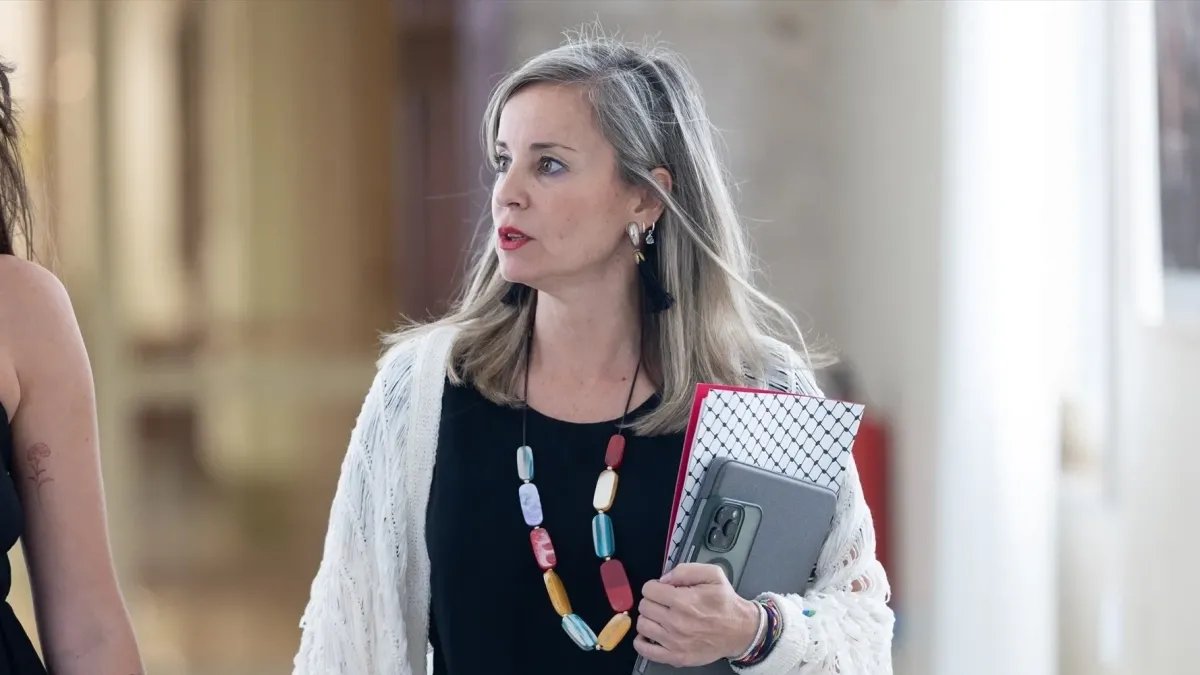
The political landscape of Sumar has taken a firmer stance against Morocco as tensions escalate due to the recent Ceuta crisis. The Movimiento Sumar has leveled accusations against the Moroccan government, claiming that it is actively promoting the electoral ambitions of far-right factions within Spain. In a pointed remark, Izquierda Unida (IU) has characterized Morocco's proposal to readmit individuals who crossed the border during a mass influx on July 30 as "cynical." Verónica Martínez Barbero, co-coordinator of Movimiento Sumar and spokesperson for the plurinational group in Congress, has asserted that Morocco is orchestrating a campaign designed to facilitate the governance of extreme-right elements in Spain. She firmly stated, "We are absolutely clear that Morocco is running a campaign for the extreme right to govern in our country," attributing responsibility for the tragic loss of 141 lives during the border incident to the Alawi kingdom. This figure was initially reported by organizations such as Caminando Fronteras and the Moroccan Association for Human Rights, based on bodies retrieved from both sides of the border.
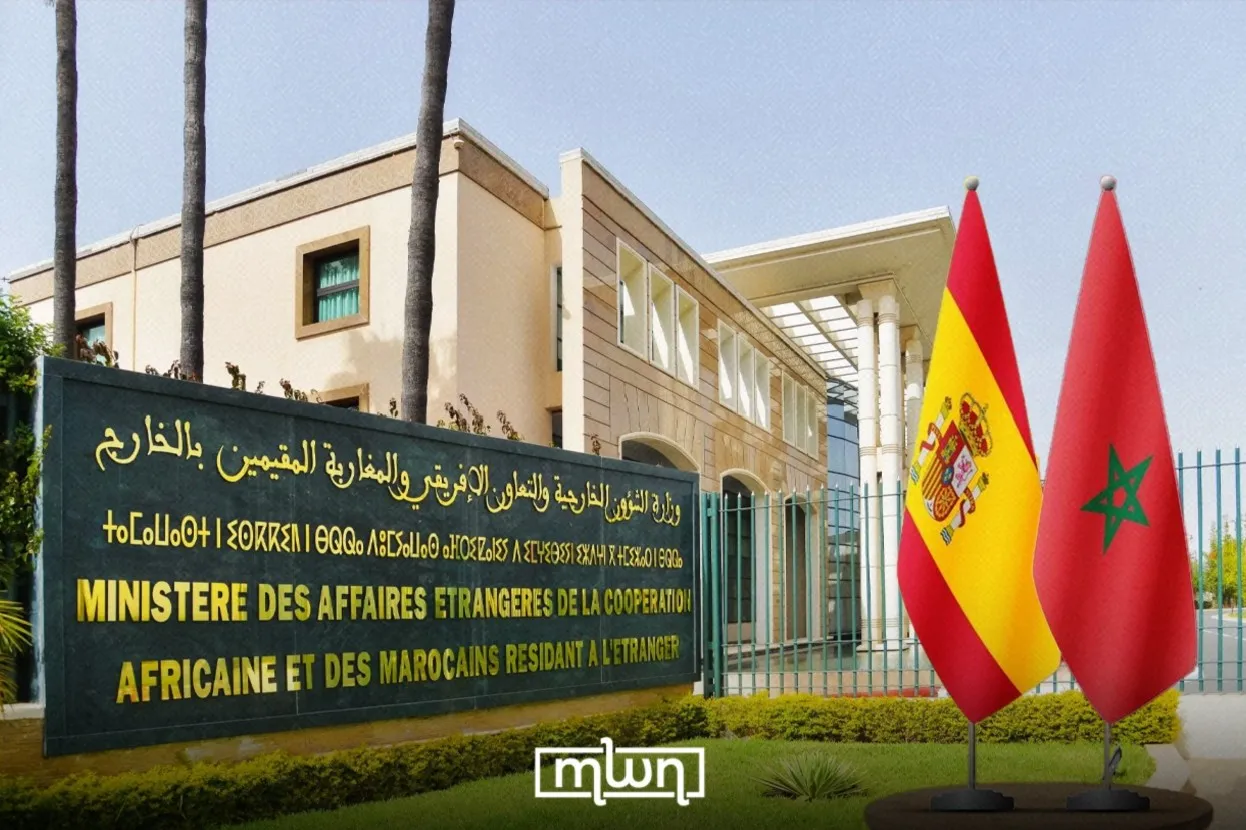
Martínez Barbero's statements follow a recent declaration from the Moroccan Ministry of Foreign Affairs, which denied any involvement in the mass entry of individuals and accused Spanish political parties—without directly naming the Popular Party (PP)—of using Morocco as a scapegoat in their political skirmishes. Morocco has raised concerns about Spain's continued detention of migrants and minors in Ceuta, which it is willing to readmit, a proposal that has been met with skepticism from Sumar. The Moroccan government maintains that there is no evidence of its participation in the events that transpired.
Call for Reevaluation of Spain-Morocco Relations
In light of these developments, Movimiento Sumar has declared that Morocco can no longer be regarded as a trustworthy ally for Spain and the European Union. Martínez Barbero has called for an extensive reassessment of relationships with the neighboring country, advocating for an end to migration policies that rely on Moroccan security forces for border control. She argued that such dependence allows Morocco to leverage border surveillance as a means of political pressure. "We must cease externalizing border control to a country that does not respect human rights," she stated, calling for a unified response from the Spanish government and European institutions.
The spokesperson further highlighted the recent congressional approval of a proposal aimed at facilitating Spanish nationality for the Sahrawi population, chastising the PP for its abstention and accusing the far-right Vox party of voting against it. She criticized both parties for perpetuating a narrative of migration severity while simultaneously rejecting the accommodation of minors in autonomous communities they govern. Martínez Barbero demanded compliance from the PP regarding established protocols to ensure that Ceuta receives the necessary support it seeks from other administrations.
Rosa Martínez, co-coordinator of Movimiento Sumar and Secretary of State for Social Rights, has linked the recent surge in violence to the hostile rhetoric propagated by the PP and Vox against migrants. She has urged for a clear condemnation of violent acts against migrants and the swift relocation of minors to the mainland. The dire conditions in Ceuta were further exacerbated by a fire that consumed 42 makeshift shelters, leaving around 200 individuals homeless. Initial investigations suggest that the fire may have been caused by negligence, thereby dissociating it from the political discourse surrounding Sumar. Additionally, IU has escalated its critique, with parliamentary spokesperson Enrique Santiago labeling Morocco's readmission offer as an exercise in "cynicism" aimed at misleading the public.
Santiago noted that Morocco has neglected approximately 600 family reunification applications for Moroccan minors submitted prior to the July 30 influx. He emphasized that Morocco has yet to take responsibility for over 80 unidentified bodies that remain buried in Ceuta's Muslim cemetery. "Only when they address the remains of the deceased and respond to the 600 outstanding cases will we begin to consider their statements credible," Santiago declared. He further alleged that Morocco played a direct role in the crisis, suggesting coordination with both the United States and Israel.
Moreover, Sumar has demanded accountability for the failures leading up to the mass entry, with Martínez Barbero applauding the resignation of Gonzalo Sanz, the former Chief of Staff of the Government Delegate in Ceuta. Sanz resigned after claiming he relayed alerts from the National Intelligence Center (CNI) on July 29, while the Government Delegate, Miguel Ángel Pérez Triano, contends he was never informed. Declassified documents indicate that the CNI issued warnings via WhatsApp about impending attempts to breach the border, which raises significant questions regarding the communication chain and the subsequent lack of preventive measures. Sumar insists on a thorough review of protocols to ensure accountability among officials who may have ignored critical information.
As the crisis unfolds, it has reignited tensions within the progressive coalition regarding the government's initial response. Compromís has previously criticized Pedro Sánchez for his continued defense of relations with Morocco and for delaying humanitarian assistance in Ceuta. Sumar is now pressing the government for swift action and a thorough investigation into whether Sanz's resignation suffices or if accountability must extend higher up the chain.
As reported by elconstitucional.es.