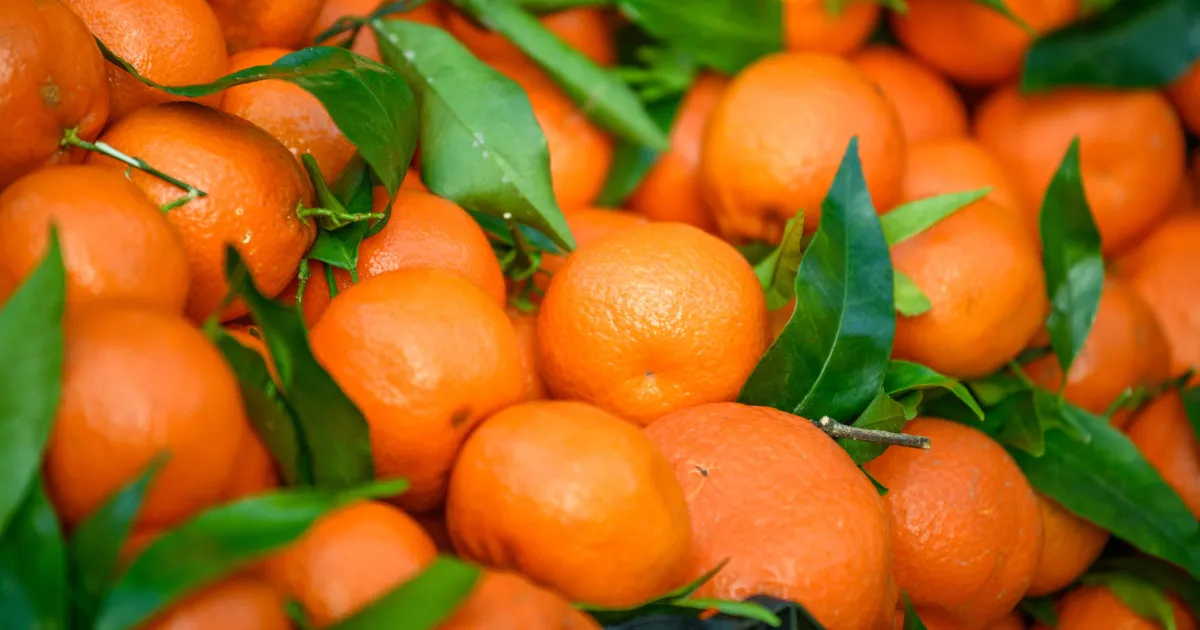

Significant Increase in Clementine Imports
Recent statistics reveal a staggering 442% increase in Spain's imports of clementines from Morocco over the past year. This dramatic rise has raised concerns among European farmers, who are already grappling with competitive pressures from non-EU agricultural products flooding the market. The influx of clementines has occurred during the peak of the domestic harvesting season, creating an oversupply that could negatively impact the pricing of locally grown fruits.
According to data from Spain's Ministry of Economy, Trade and Business, from January to May 2026, the country imported a remarkable 3,089.05 tons of clementines from Morocco. This figure dwarfs the 569.39 tons imported during the same period in 2025. Overall, Morocco's role as a key supplier has solidified, capturing more than 50% of Spain's clementine imports, surpassing traditional suppliers such as Portugal, France, and Greece.
Impact on Local Agriculture
The repercussions of this surge extend far beyond mere market dynamics. Local farmers have expressed deep concerns about the long-term viability of their operations, as the consistent arrival of low-cost Moroccan clementines threatens to erode their profitability. The citrus industry in Spain has already experienced a significant reduction in mandarin cultivation, with a loss of over 16,000 hectares of land dedicated to this crop in the last decade alone. With the continuous pressure from cheaper imports, there is a growing fear that many local farms may become unsustainable.
In 2026, Spain's total citrus imports have also seen a notable increase, with 85,732.58 tons imported from January to May, marking a 24.85% rise compared to the previous year. This growth is particularly driven by a surge in citrus imports from Egypt, which has increased from 19,540.36 tons in early 2025 to 44,278.54 tons in 2026. These trends highlight the shifting landscape of European agriculture, where local producers must contend with the realities of global trade and its implications for their livelihoods.
As reported by eldebate.com.