
Spain's New Draft Decree on Migration and Asylum
In a significant departure from established migration practices, Spain is poised to implement stricter asylum-seeking regulations for migrants who entered its North African enclave of Ceuta during the mass influx witnessed in July. A draft decree, which has been reviewed by Reuters, highlights the government's intention to expedite both the application and deportation processes for the over 10,000 migrants currently situated in this small territory. This shift represents a notable change for Spain's leftist, pro-immigration government, which has historically championed multilateral agreements and institutions, as it grapples with the political repercussions of the border crisis.
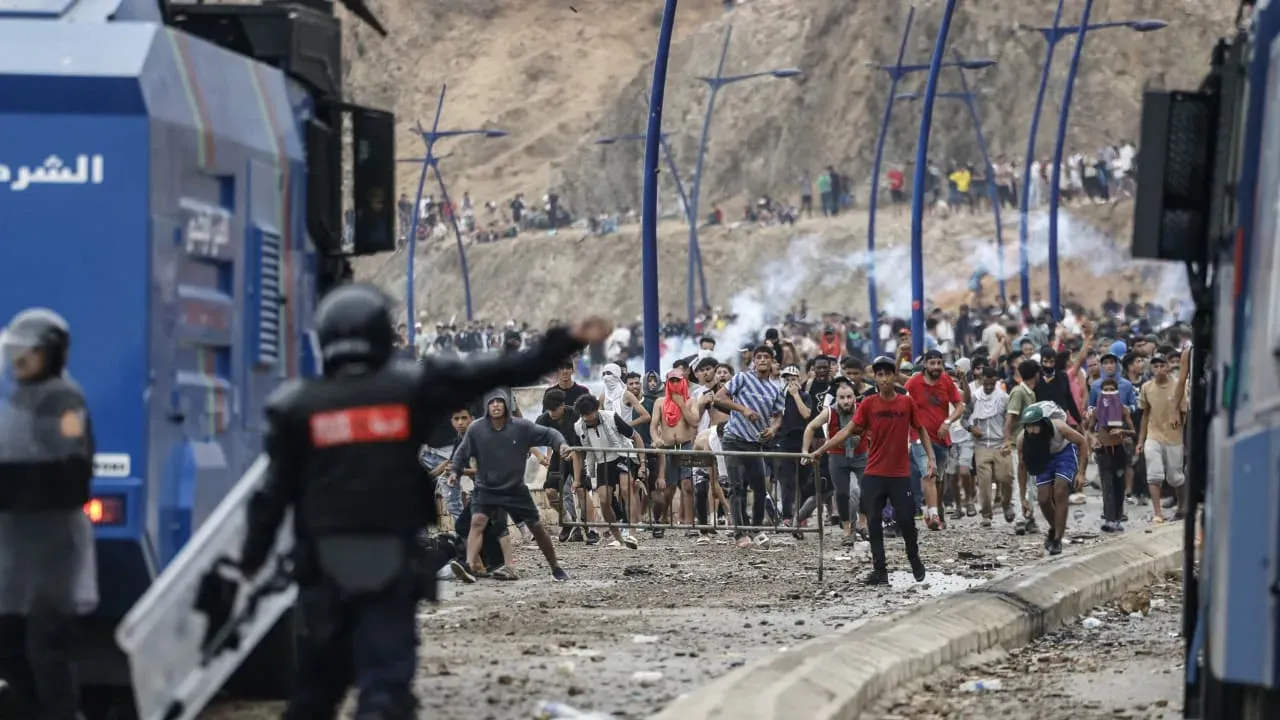
Spain's Interior Ministry has refrained from commenting on the specifics of the draft decree. However, the situation has drawn considerable attention, particularly following an unprecedented event in late July when more than 70,000 individuals crossed the border from Morocco into Ceuta, both by land and sea. This sudden surge has sent shockwaves through European leadership and has revealed the inadequacies of recent efforts to reform migration policies aimed at tightening border control.
Concerns Over Human Rights and Legal Protections
The measures outlined in the draft decree, which were initially revealed by the Spanish newspaper El País and have yet to receive official confirmation, could profoundly impact the asylum process. Among the proposed changes, migrants whose asylum applications have been rejected would be required to file their appeals from outside Spain if the European Union deems it safe to do so, as is currently the case for Morocco. This regulation would apply irrespective of the individual circumstances of the migrants involved.
Furthermore, the decree is set to be applied retroactively to those who arrived following the mass crossing on July 30 and 31. It would allow the government to bypass a standardized review process of asylum requests that typically includes representatives from the United Nations refugee agency. Under these new regulations, if migrants are unreachable for five days, their applications would automatically be withdrawn, and anyone identified as exhibiting "violent or threatening" behavior would have their right to remain in the country revoked immediately.
During a recent press conference, territorial policy minister Angel Victor Torres commented on the potential for shortening processing times for migrants, indicating that the government is "analyzing the possibility" of introducing a legislative amendment. However, he cautioned that the process is complicated by considerations of international law.
Legal experts and non-governmental organizations (NGOs) have voiced strong opposition to the draft measures. Thirteen NGOs, including the Commission for Assistance to Refugees (CEAR) and Oxfam, have condemned the proposals as a severe threat to Spain's adherence to human rights conventions, raising alarms about the implications of such policies on the treatment of vulnerable populations seeking refuge.
As reported by jpost.com.