
The Fabrication of a Journalist: Who is Daniel Robson?
In an astonishing revelation concerning the Canadian media landscape, a fictional character named Daniel Robson infiltrated several notable news platforms and policy think tanks. This fabricated journalist, created through artificial intelligence, not only submitted numerous opinion articles critiquing Canadian immigration policies and foreign affairs but also targeted specific individuals, including Moroccan dissidents and a Turkish businessman involved in trade. For nearly two years, Robson's presence was undetected as he used sophisticated AI tools to generate content that aligned with a particular narrative, pushing agendas that favored the Moroccan state while discrediting its critics.
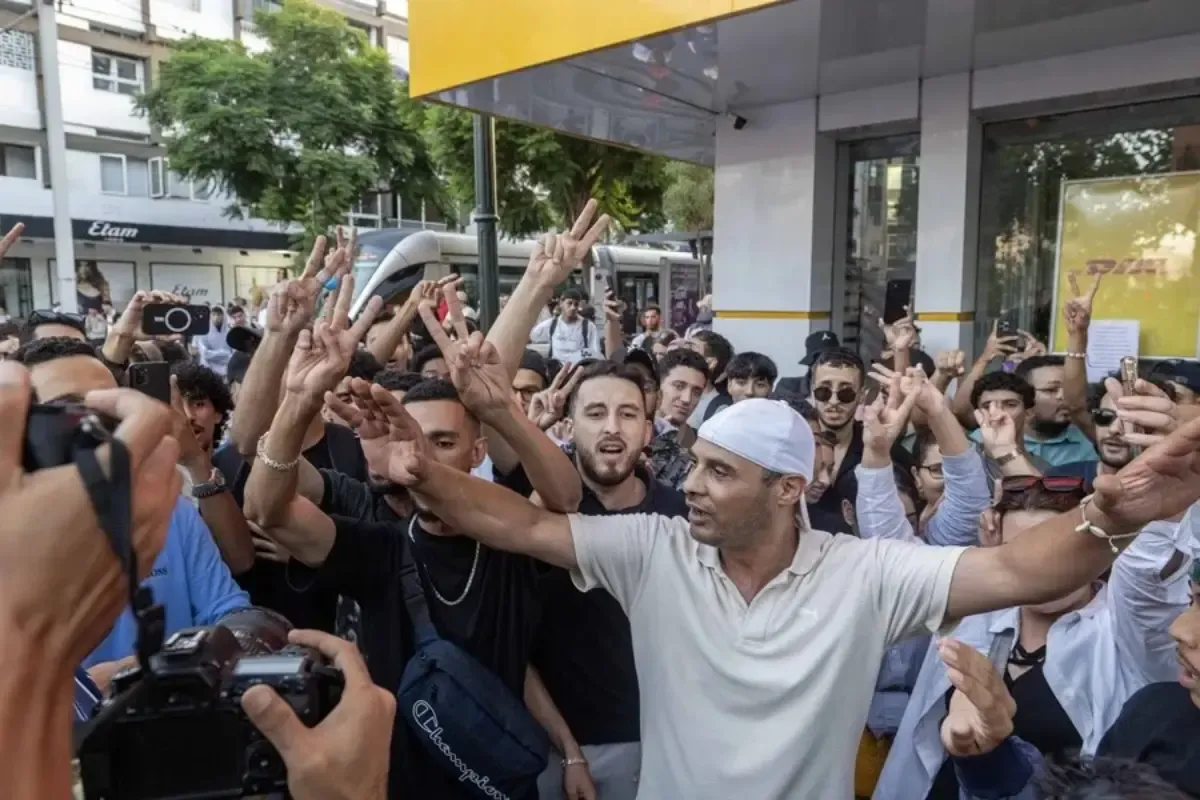
The tale of Daniel Robson began when Türkiye Today received a meticulously crafted email from him, claiming to be an independent Canadian journalist focused on extremism and cybercrime. His correspondence included a proposal for an investigative feature that appeared to be an attempt to localize an ongoing smear campaign against Hicham Jerando, a Canadian-Moroccan businessman. Despite his claims of credibility supported by bylines in various media outlets, the content of his articles raised red flags, suggesting a more sinister motive behind his work.
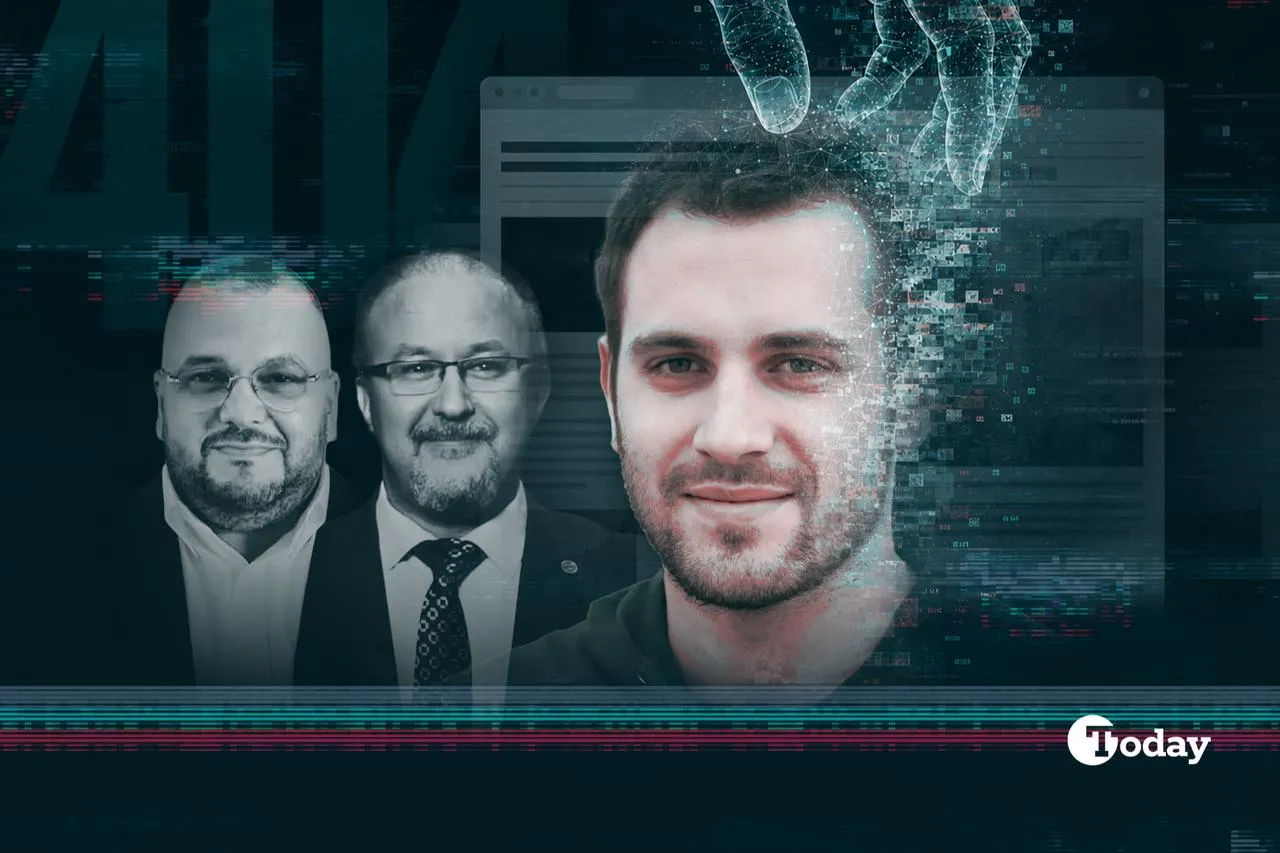
Upon further scrutiny, it became evident that Robson's articles were not merely opinion pieces but part of a broader strategy to manipulate public perception regarding Moroccan dissidents. His assertions regarding Jerando's alleged criminal activities were supported by dubious evidence, including weak financial documents that failed to substantiate his claims. A forensic analysis of Robson’s headshot ultimately revealed that it was 97% AI-generated, a shocking confirmation that the journalist was a complete fabrication.
Impact on Canadian Journalism and the Dangers of AI in Media
The exposure of Daniel Robson's true identity sent ripples through Canadian newsrooms, prompting several outlets to retract his articles and reassess their editorial processes. Publications like the Ottawa Citizen and Policy Options quickly removed his content, with the latter acknowledging a significant oversight in their vetting procedures. Editor-in-Chief Les Perreaux conceded that the industry is grappling with the implications of AI-generated content, emphasizing the need for heightened scrutiny and verification in an era where technology can easily fabricate identities and narratives.
The ramifications of Robson's fabricated persona extend beyond a simple media scandal; they illuminate the vulnerabilities of journalism in an age where artificial intelligence can blur the lines between reality and deception. The managing editor of The Hub, Harrison Lowman, remarked on the susceptibility of Canadian journalism to foreign interference, underscoring the challenges faced in maintaining integrity and credibility in reporting.
Additionally, the story of Daniel Robson raises profound ethical questions about the responsibilities of media outlets in verifying the authenticity of their sources and contributors. As the boundaries of digital communication continue to evolve, the potential for misinformation and disinformation campaigns becomes increasingly alarming. This incident serves as a cautionary tale for journalists and media organizations to remain vigilant, ensuring that their commitment to truth and transparency is upheld in the face of technological advancements.
As reported by turkiyetoday.com.