Spain Faces Diplomatic Setbacks as the U.S. Turns to Morocco
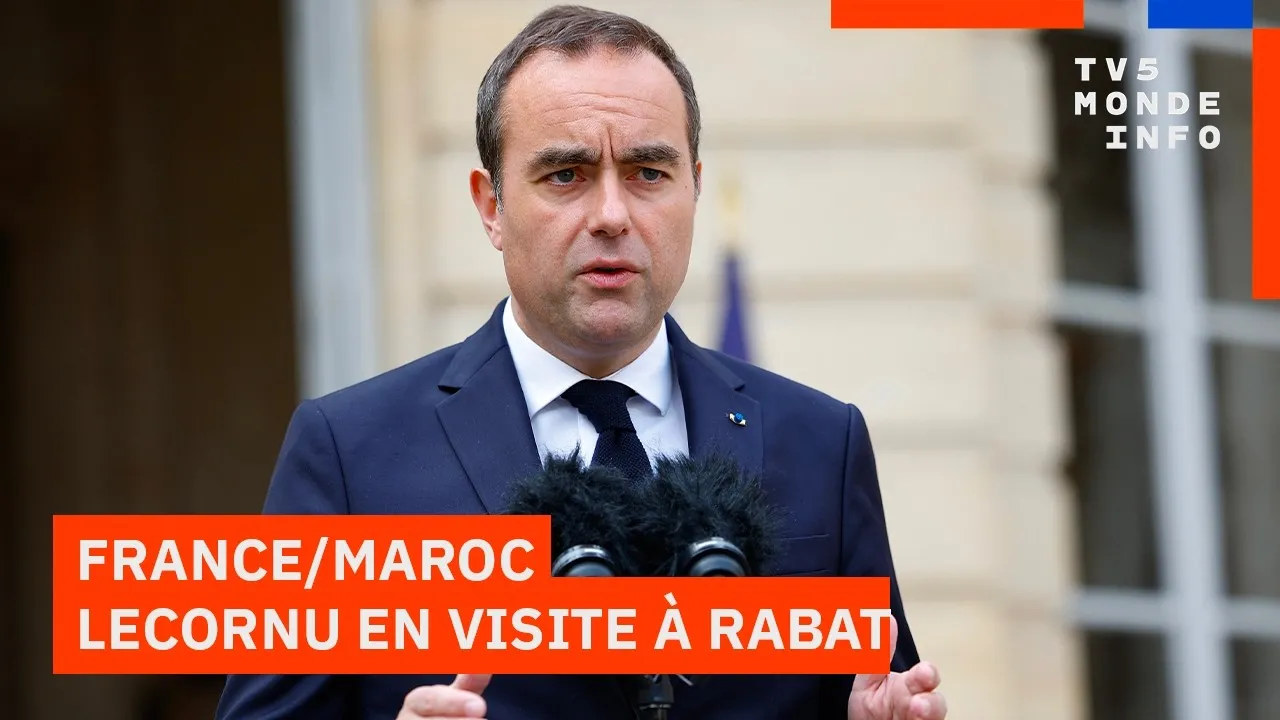
In a significant geopolitical shift, the United States has chosen to prioritize Morocco as a key agricultural partner, effectively sidelining Spain amidst escalating tensions between Spanish Prime Minister Pedro Sánchez and former U.S. President Donald Trump. This decision, stemming from a diplomatic crisis incited by the Spanish government, has severely undermined Spain's position at a critical juncture, with ramifications already being felt across its agricultural sector, economy, and international image.
The strains in U.S.-Spain relations can be traced back to Sánchez's refusal to permit the use of military bases in Spain in the context of the ongoing conflict with Iran, a move that has pushed diplomatic ties to unprecedented lows. Trump's response was swift, unleashing measures that directly impact vital sectors of the Spanish economy. The repercussions of this diplomatic rift are becoming increasingly evident, as Washington has instituted a 10% tariff on a broad range of imported goods, including key Spanish agri-food products such as olive oil and wine.
This punitive measure endangers thousands of Spanish farmers, cooperatives, and exporters, placing additional strain on an agricultural sector already weakened by domestic policies. As Spain grapples with diminished competitiveness, other nations are poised to fill the void left by its faltering agricultural industry.
Morocco's Strategic Rise Amidst Spain's Decline
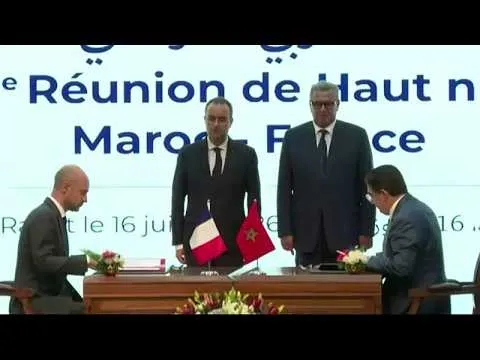
The current landscape is not solely about trade; it encapsulates a broader narrative of influence and political power. When a nation loses its political clout, it inevitably forfeits economic opportunities, and this is precisely what Spain is experiencing. While Spain's influence wanes, Morocco is advancing with a clear and sustained strategy. Over the past decade, the North African kingdom has significantly developed its agri-food sector, establishing itself as an emerging powerhouse in the region. The U.S. Department of Agriculture has recognized this growth by including Morocco in its Food for Progress program, highlighting the country as a priority for cooperation with up to $226 million allocated for fiscal year 2026, covering various projects with funding between $28 and $35 million.
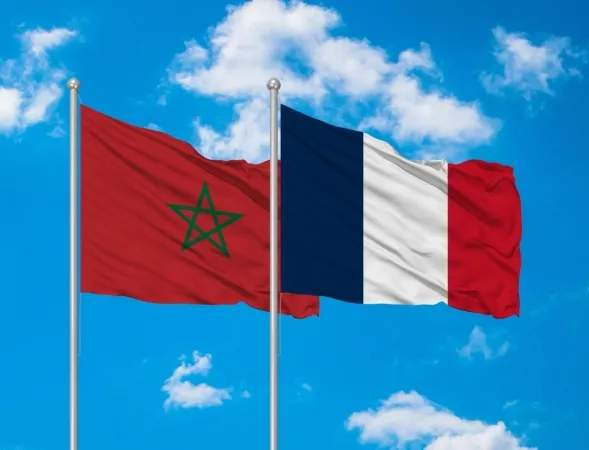
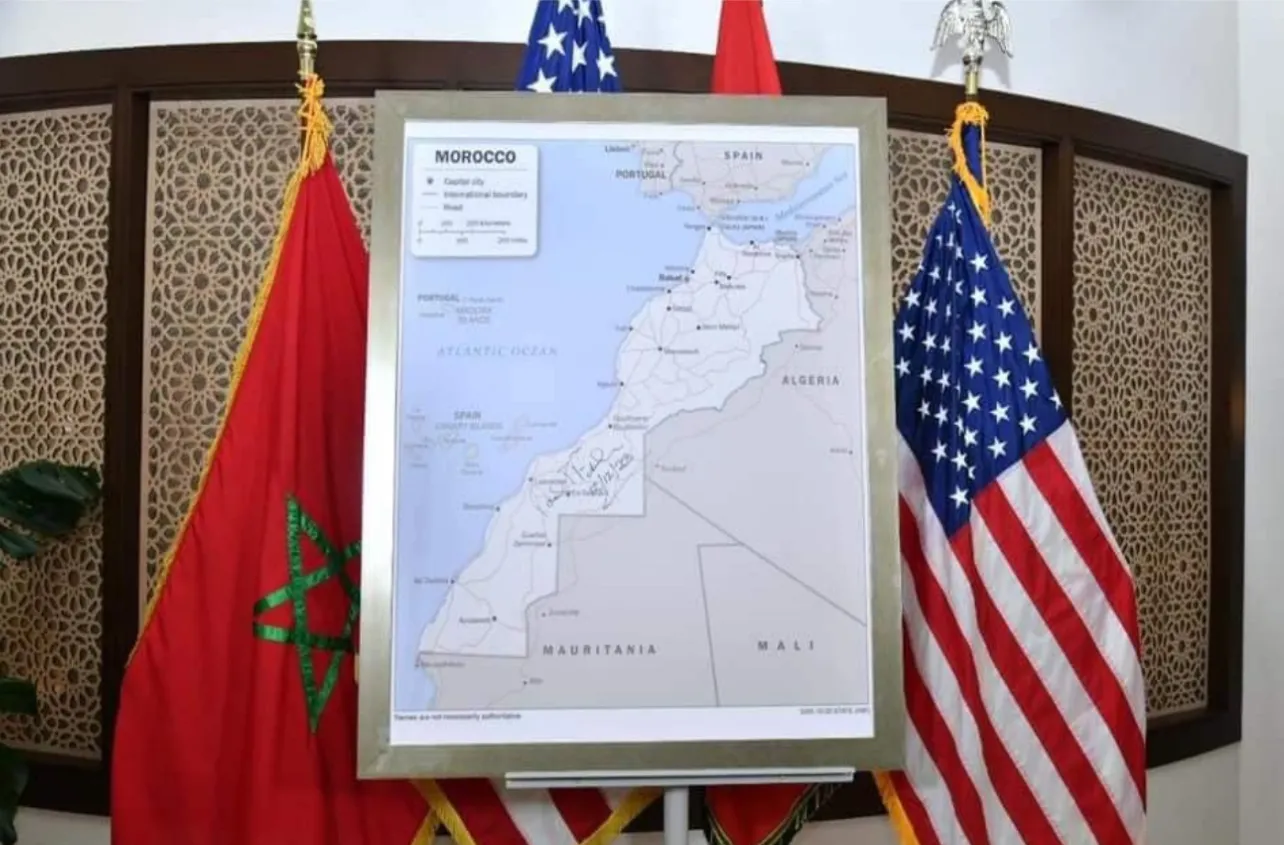
Morocco's geographical proximity to Europe further enhances its appeal as a partner, allowing it to leverage advantageous trade agreements. This shift in U.S. investment focus from Spain to Morocco is indicative of a larger trend; Morocco's economic ascent is supported by three solid pillars: robust agricultural policies, strategic investment attraction, and a clear commitment to international cooperation. Moreover, U.S. backing extends beyond economics, as Washington's recognition of Moroccan sovereignty over Western Sahara in September 2025 solidified the alliance, with subsequent reports portraying Morocco as a strategic regional hub for business and industry.
The implications are stark: Morocco is perceived as stable and committed, while Spain is increasingly viewed as uncertain. However, Morocco's rise is not without controversy, as European producers have long accused it of engaging in unfair practices, including utilizing land in Western Sahara to boost production at lower costs, enabling products to enter Europe under Moroccan labels that benefit from preferential agreements. The European Court of Justice has deemed this practice illegal, yet the European Commission has adjusted its relations with Morocco to circumvent this ruling, leaving Spain's agricultural sector vulnerable as it loses ground.
The decline of Spain's influence is not coincidental; it's a direct result of misguided political decisions made by Sánchez, characterized by a lack of strategic foresight and a failure to defend national interests. The government has eroded essential relationships, weakened productive sectors, and abandoned the agricultural community, leading to visible consequences. While other countries are negotiating favorable terms for their farmers, Spain finds itself in a compromising position, exposed and unprotected on the international stage. The U.S.-Morocco alliance is not merely an isolated incident; it reflects the consequences of a frail and misguided foreign policy and a government more focused on its own survival than on the national interest.
As reported by adelanteespana.com.