
Spain's Vigilance on Its Northern Borders
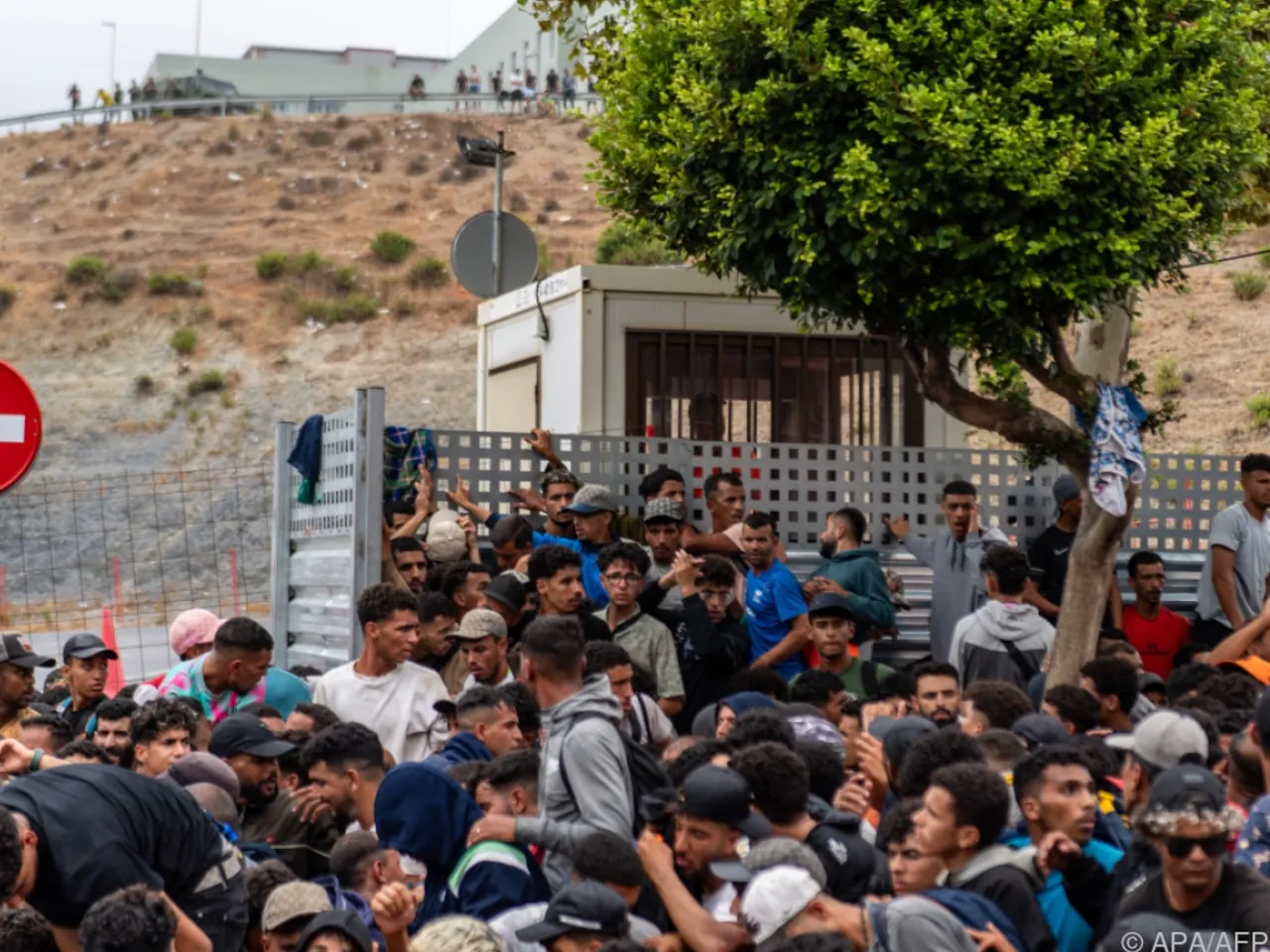
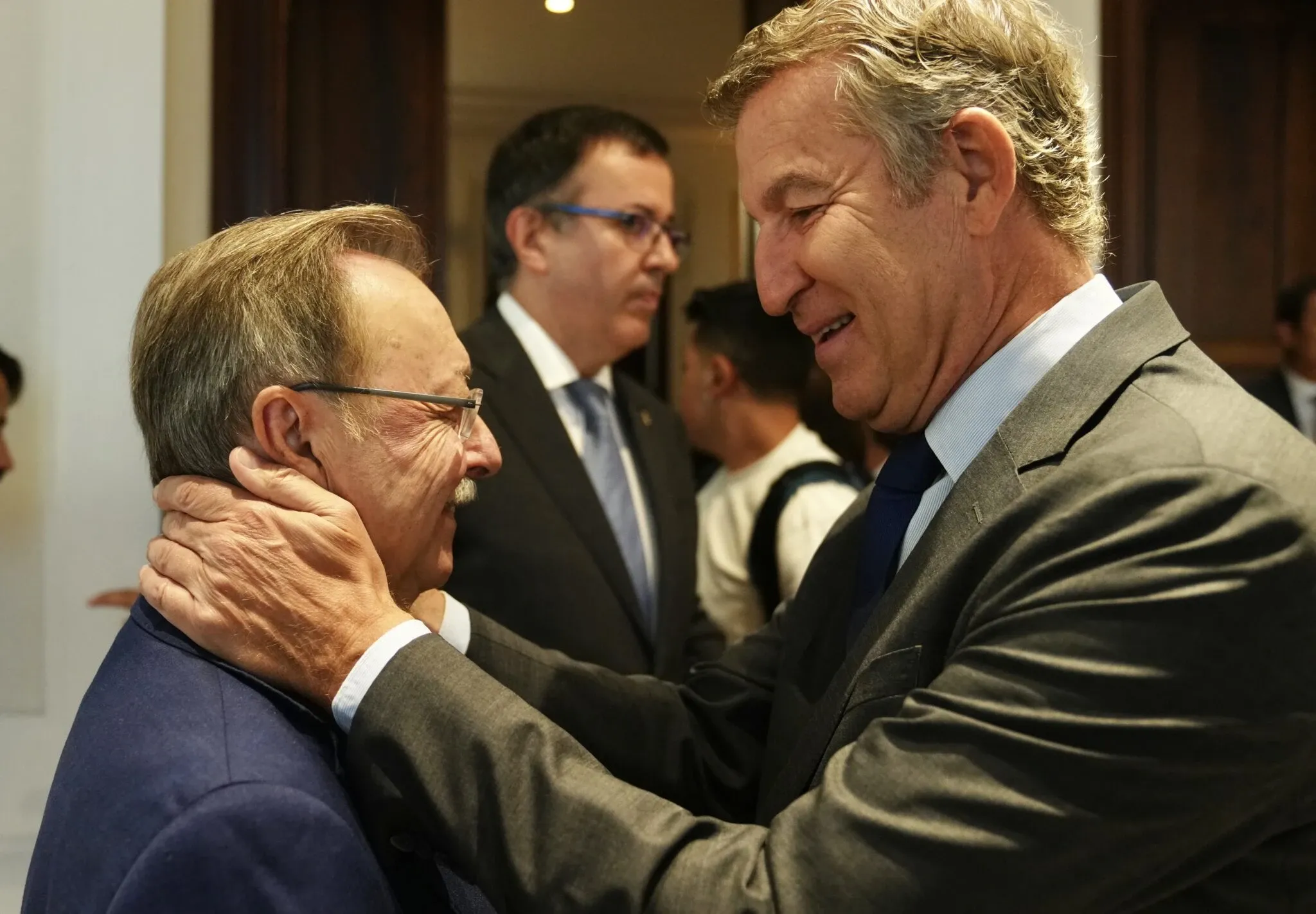
Alberto Núñez Feijóo, the leader of Spain's Popular Party, has issued a stern warning to Morocco regarding the potential for military intervention to protect Spain's borders, particularly those of Ceuta and Melilla, in the event of an "invasion." This statement comes amid escalating tensions between the two countries, highlighting Spain's commitment to safeguarding its territorial integrity and responding robustly to any threats. Feijóo's remarks not only underline the gravity of the situation but also reflect Spain's strategic posture in the face of complex geopolitical challenges in the region.
The situation in Ceuta and Melilla, Spain's two autonomous cities located on the northern coast of Africa, has long been a focal point of contention, particularly concerning immigration and territorial disputes with Morocco. Feijóo's warning signals a readiness to deploy the military if necessary, a move that could significantly alter the dynamics of Spanish-Moroccan relations. The potential for military action underscores the seriousness with which Spain views any unauthorized incursions across its borders, especially given the historical context of migration surges and political tensions.
Preparing for Future Challenges
Feijóo's comments come at a time when Spain is reevaluating its defense strategies in light of potential future crises. The leader emphasized the need for a coordinated response that involves both diplomatic efforts and military preparedness. This dual approach aims to deter any aggressive actions from Morocco while reinforcing Spain's sovereignty over its territories. Additionally, Feijóo's remarks resonate with a broader European concern regarding border security and immigration management, as many nations grapple with similar issues.
Ultimately, the commitment to utilize military forces to defend Ceuta and Melilla illustrates Spain's proactive stance on national security. As tensions continue to simmer, both nations must navigate the complexities of their relationship with care, balancing diplomatic dialogue with the necessity of protecting national borders. The situation remains fluid, and further developments are anticipated as both countries address these pressing concerns.
As reported by infodefensa.com.