
Spain's Prime Minister Denies Moroccan Involvement in Border Crisis
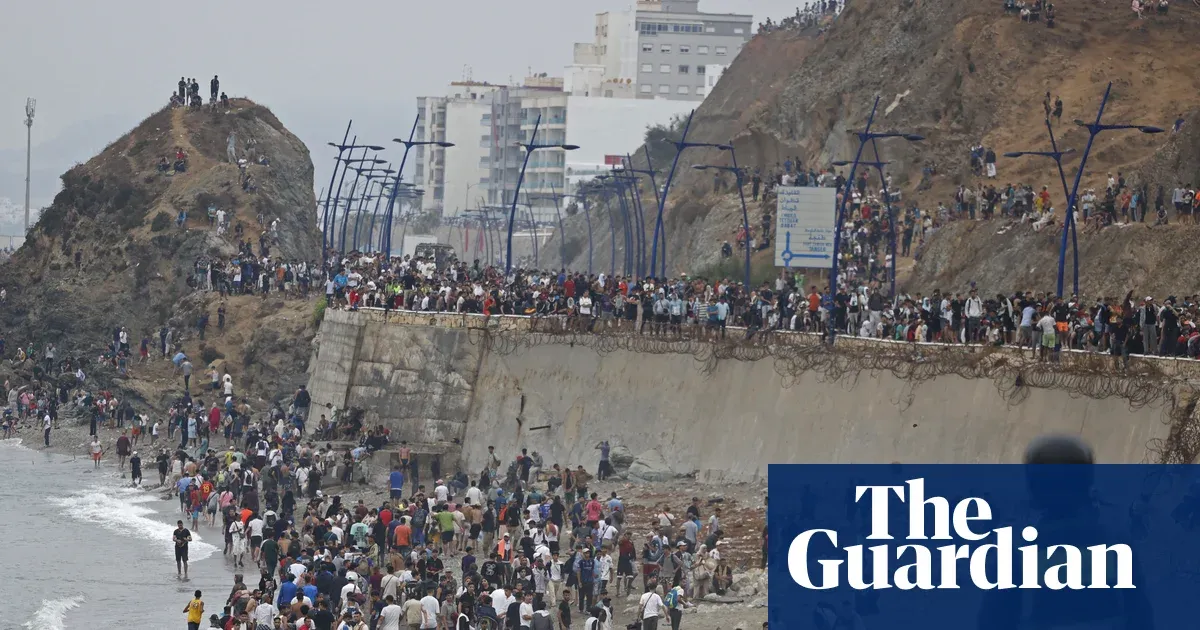
Pedro Sánchez, the Prime Minister of Spain, has recently stated that there is no credible evidence linking the Moroccan government to the massive border crossing incident that occurred last month into the Spanish enclave of Ceuta. This assertion comes in the wake of tragic events where approximately 141 individuals are believed to have lost their lives while attempting to enter Ceuta, driven by desperation and the hope for a better life. The situation escalated dramatically as around 70,000 men, women, and children surged towards the border, igniting a political crisis and a humanitarian emergency, while also reigniting tensions within the European Union regarding immigration policies. Sánchez faced speculation that Morocco might have orchestrated this border crossing as a reaction to Spain's warming relations with Algeria. However, he firmly dismissed such claims, emphasizing that there was no intelligence supporting the idea of Moroccan involvement in the crisis.
In his remarks on Cadena Ser radio, Sánchez underscored the importance of cooperation with Morocco, stating, “There’s no information from any intelligence agency that raises doubts over the involvement of Moroccan authorities.” He highlighted that the resolution of this crisis hinges on collaboration rather than distrust, which could exacerbate an already complicated scenario in Ceuta. Furthermore, Sánchez accused various social media channels linked to Russia, Israel, and far-right entities of disseminating disinformation aimed at portraying migration as a threat to Spain and the broader European community. This stance has provoked a strong backlash from Israel, with Foreign Minister Gideon Sa’ar labeling Sánchez's claims as a “brazen lie” and criticizing the Spanish leader's management of domestic affairs.
Ongoing Struggles for Migrants and Political Fallout
The complexities of the situation are further underscored by the fact that while the majority of migrants have returned to Morocco, an estimated 5,000 individuals—among them around 1,200 minors—remain in the streets of Ceuta. Their presence has led to rising tensions, resulting in clashes between local residents and law enforcement, with reports of migrants facing violence and their belongings being destroyed. In response to the unrest, Sánchez asserted that efforts are underway to ensure adequate accommodation for all remaining individuals in the enclave. Meanwhile, the conservative People’s Party has criticized the government's handling of the crisis, accusing it of failing to protect Ceuta's citizens from what they describe as an invasion. The far-right Vox party's leader, Santiago Abascal, echoed these sentiments, characterizing the events in Ceuta as a direct act of aggression facilitated by Morocco and inadequately addressed by Sánchez.
As reported by theguardian.com.