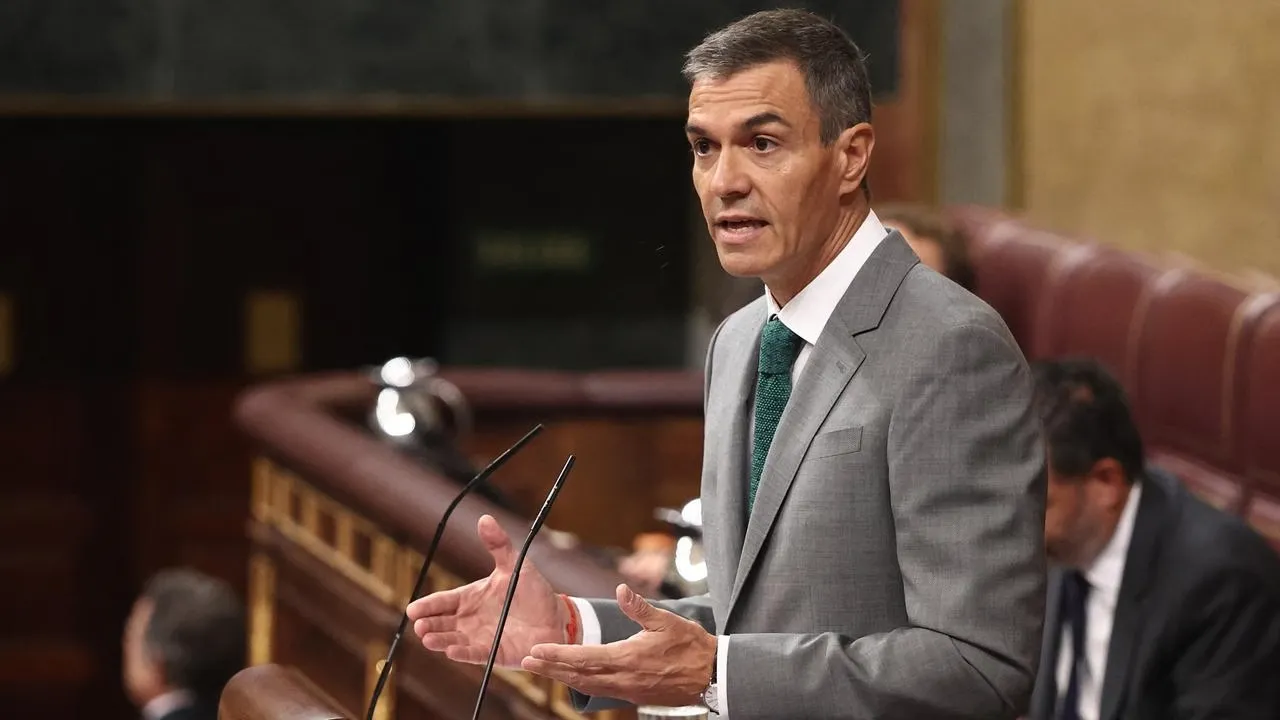

Spain's Prime Minister Pedro Sánchez has stated that he sees no evidence to support claims that foreign nations orchestrated the recent influx of migrants into the North African enclave of Ceuta. He did, however, clarify certain details regarding the role of Moroccan authorities in the situation.
According to Sánchez, there is no substantial proof that Morocco actively planned or executed the mass arrival of approximately 72,000 migrants in late July. He emphasized that various institutions, including the Spanish diplomatic service and the European Commission, have not provided any concrete evidence to suggest Morocco's involvement in the incident. Sánchez pointed out that prior to the end of July, no reports had warned of such a significant surge in migration.
During a special session of the Spanish Parliament held in Madrid, Sánchez addressed prior accusations he made earlier in the week concerning misinformation linked to social media sources with supposed ties to Russia and Israel, which he claimed may have incited the migration crisis in Ceuta. However, he later tempered these remarks, noting that Spanish intelligence agencies had not yet confirmed any connections to Morocco, Russia, or Israel regarding the social media information in question. "I say for now," he added, indicating that investigations are ongoing.
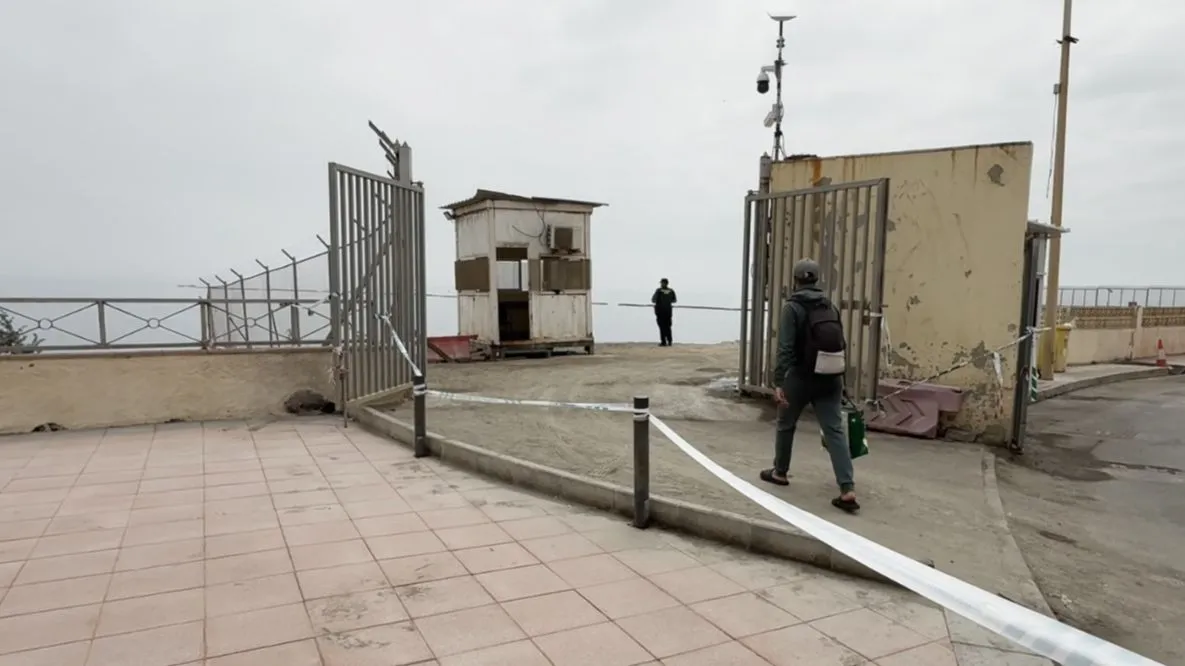
The Spanish Parliament has been actively discussing the events in Ceuta, where thousands of undocumented Moroccan migrants continue to refuse to leave. In light of these tensions, Sánchez reiterated Spain's claim over Ceuta and the second North African enclave of Melilla, territories that have belonged to Spain for centuries. He mentioned that the Moroccan ambassador, Karima Benyaich, was summoned to the Foreign Ministry on August 21 to protest against "unacceptable" statements made by two Moroccan ministers regarding Ceuta and Melilla, as they reaffirmed Morocco's claims to these Spanish territories.
While the Spanish government is navigating its relationship with Morocco cautiously, it remains heavily reliant on cooperation from the Rabat leadership regarding migration issues. Recently, demonstrations have erupted in various Spanish cities, with citizens expressing dissatisfaction over the government's handling of migration policies related to Ceuta. Protesters have criticized Prime Minister Sánchez for providing insufficient support.
The opposition, comprising the conservative People's Party (PP) and the right-wing Vox party, has once again called for Sánchez's resignation. PP leader Alberto Núñez Feijóo accused the socialist leader of "incompetence or complicity" if the government indeed had not been informed about the mass influx into Ceuta. He described the situation as an "invasion." Meanwhile, Vox leader Santiago Abascal labeled Sánchez a "traitor to the Spanish people and the residents of Ceuta," accusing him of being a pawn of Morocco and a "coward." On July 30 and 31, approximately 72,000 migrants reportedly swam or climbed over fences from Morocco into Ceuta, although most returned within hours. However, a month later, about 5,000 migrants still remain in the area, which is not even as large as Frankfurt Airport.
As reported by zdfheute.de.