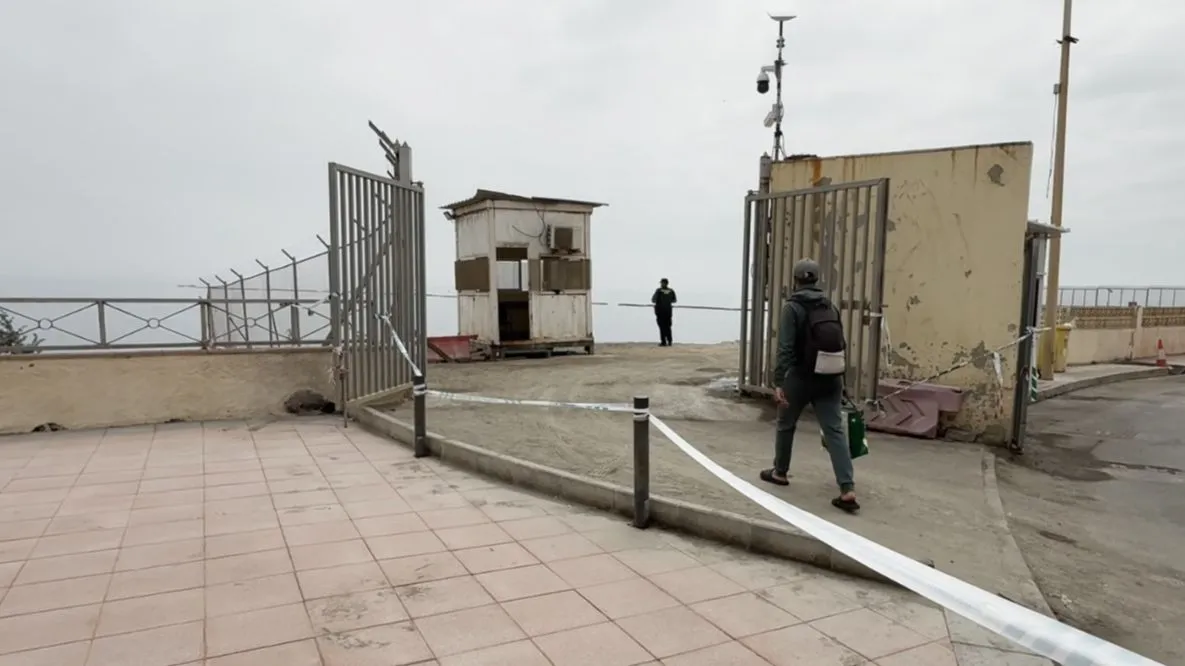
In a significant statement addressing the recent surge of migrants at the Ceuta border, Spanish Prime Minister Pedro Sanchez has firmly rejected allegations suggesting that Morocco orchestrated the unprecedented crossing of approximately 70,000 individuals into the Spanish enclave. Speaking before the parliament on Thursday, Sanchez emphasized that no credible evidence has surfaced to support claims made in a police report, which insinuated that the influx was a coordinated effort aimed at overwhelming Spain's border controls. He stated, "I can assure you that no institution – not the diplomatic service nor the European Commission nor any international body – has provided the Spanish government with any solid evidence that Morocco planned or carried out the incident. None whatsoever.”
Despite his firm stance on the lack of evidence regarding any orchestrated plan, Sanchez acknowledged that Moroccan authorities allowed crossings to occur during a peak period of 10 hours on July 30. He pointed out that Spanish authorities are still investigating whether this was due to a lack of action on the part of Moroccan police or an inability to manage the overwhelming number of arrivals. The situation escalated dramatically in late July, when around 72,000 individuals made their way into Ceuta, a small Spanish enclave that shares a border with Morocco and has a population of about 84,000.
The police report, which was commissioned by a High Court judge last month, alleged that Moroccan security forces were deployed in smaller numbers than usual near the border and did not take adequate measures to disperse the crowds that gathered. In response, Moroccan authorities have denied any claims of permissiveness, attributing the situation to a misinterpretation of a Spanish court ruling that seemingly opened a legal loophole for arrivals by sea. They also pointed to a [social media campaign](https://www.aljazeera.com/features/2026/8/5/how-a-social-media-campaign-triggered-huge-migrant-surge-on-ceuta) that circulated information about a mass crossing, which may have contributed to the surge.
Throughout the crisis, Sanchez has defended Morocco's role, praising Rabat’s cooperation in returning many of the migrants within two days of their arrival. However, it has been reported that about 5,000 individuals, including 1,200 children, remain in Ceuta weeks after the incident. The escalating situation has led to widespread protests across Spain, where thousands rallied on Wednesday to voice their discontent regarding the government's handling of the crisis, chanting phrases like “Expel the invaders” and “Ceuta is not for sale. Ceuta must be defended.”
As reported by aljazeera.com.