
Pedro Sánchez Adjusts Stance on Migrant Influx and International Relations
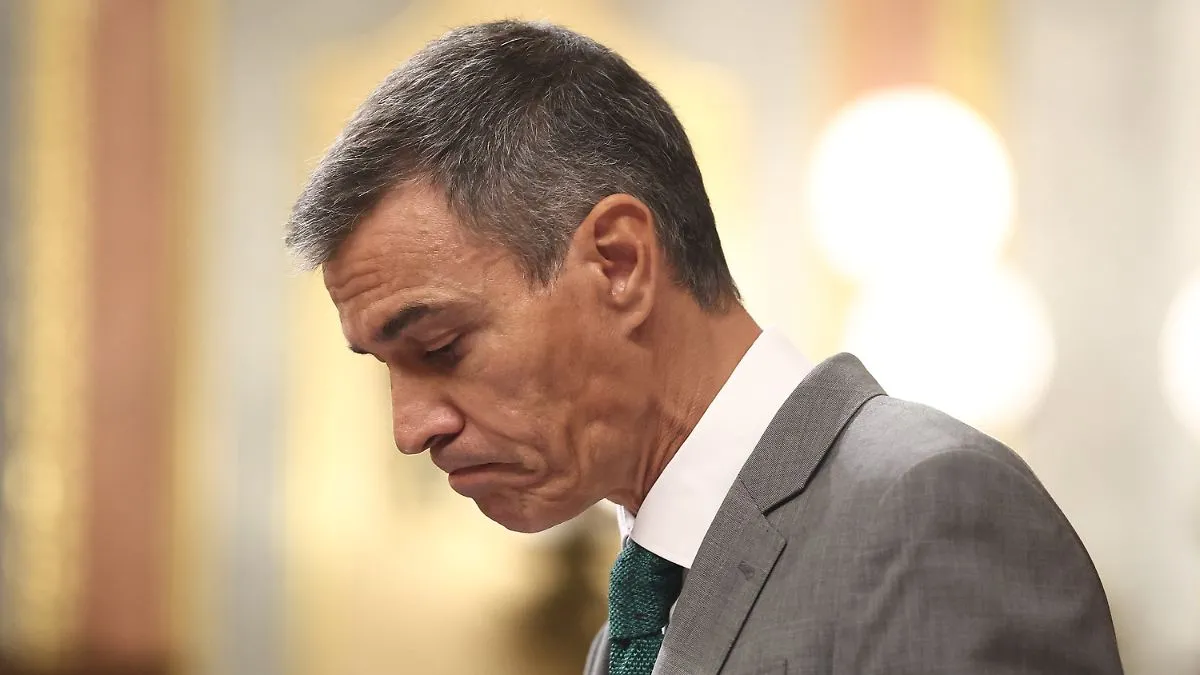
At the beginning of the week, Spain's Prime Minister Pedro Sánchez attributed the surge of migrants into Ceuta partially to the influence of Russia and Israel. However, he has since retracted these claims, clarifying his position regarding Morocco's involvement in this crisis. During a special session of Parliament in Madrid, Sánchez firmly stated that he has seen no credible evidence suggesting that Morocco played any role in orchestrating the mass influx of approximately 72,000 migrants that occurred in late July. "I can assure you that none of these institutions, be it the diplomatic service, the European Commission, or any international organization, have provided the Spanish government with substantial proof that Morocco planned or executed this event," he emphasized, noting that prior reports had not warned of such a massive influx.
Initially, Sánchez had suggested that misinformation on social media, allegedly linked to Russia and Israel, had exacerbated the situation in Ceuta. However, he has now tempered his remarks, indicating that Spanish intelligence services have not yet been able to confirm that Morocco, Russia, or Israel were behind the social media narratives. "I say for now," he added, as both Israeli and Russian governments denied any involvement in the migration crisis.
In conjunction with these developments, Sánchez reiterated Spain's historical claim over Ceuta and Melilla, the two North African enclaves that have been under Spanish sovereignty for centuries. He revealed that Spain had summoned Moroccan Ambassador Karima Benyaich to the Foreign Ministry on August 21 to protest against what he described as "unacceptable" statements made by two Moroccan ministers regarding Ceuta and Melilla, who had reaffirmed Morocco's claims to these territories. Despite these tensions, the Spanish government continues to tread carefully in its relations with Morocco, given its reliance on Rabat's cooperation in migration management.
The opposition, represented by the conservative People's Party (PP) and the far-right Vox party, has called for Sánchez's resignation once again. PP leader Alberto Núñez Feijóo accused the Socialist leader of "incompetence or complicity," questioning whether the government had indeed not been informed about the migrant surge as claimed. He referred to this situation as an "invasion," while Vox leader Santiago Abascal labeled Sánchez a "traitor to the Spanish people and the residents of Ceuta," accusing him of being an accomplice to Morocco and a "coward."
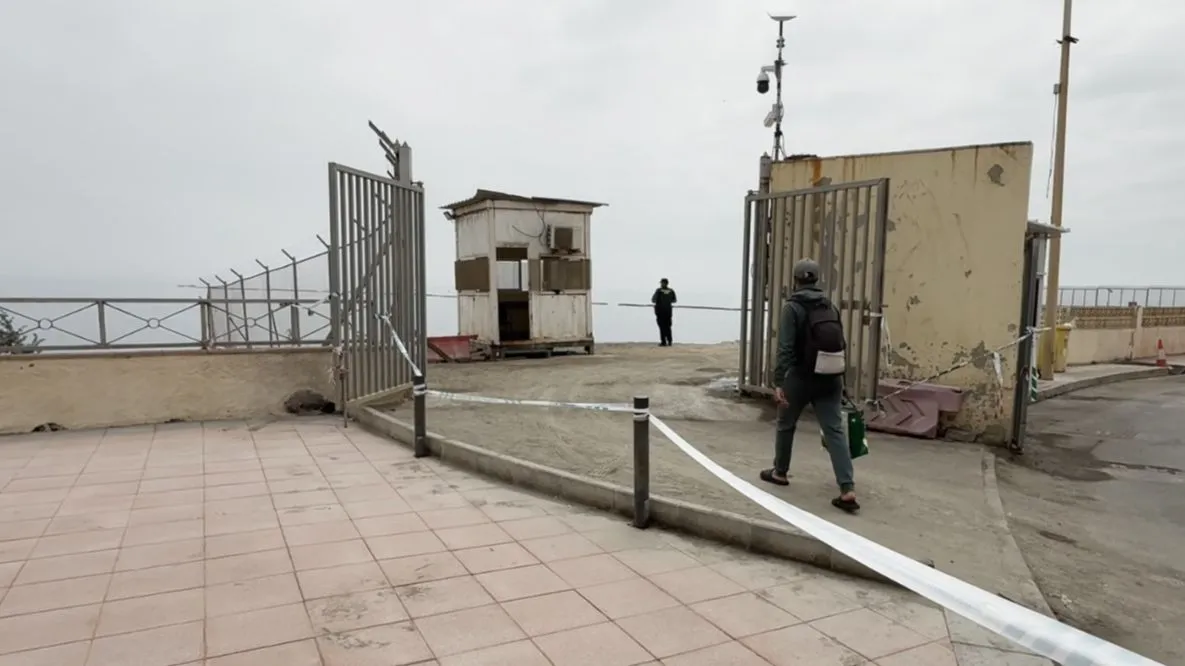
On July 30 and 31, government reports indicated that around 72,000 migrants swam from Morocco to Ceuta or climbed over border fences. Most returned within hours; however, as of over a month later, approximately 5,000 migrants remain in the area, which is smaller than Frankfurt Airport. Among them are around 1,200 minors, according to Sánchez. Local residents have increasingly protested against the prolonged presence of such a large number of migrants, putting considerable pressure on the Sánchez administration.
As reported by n-tv.de.