
Accelerating Migrant Returns from Ceuta
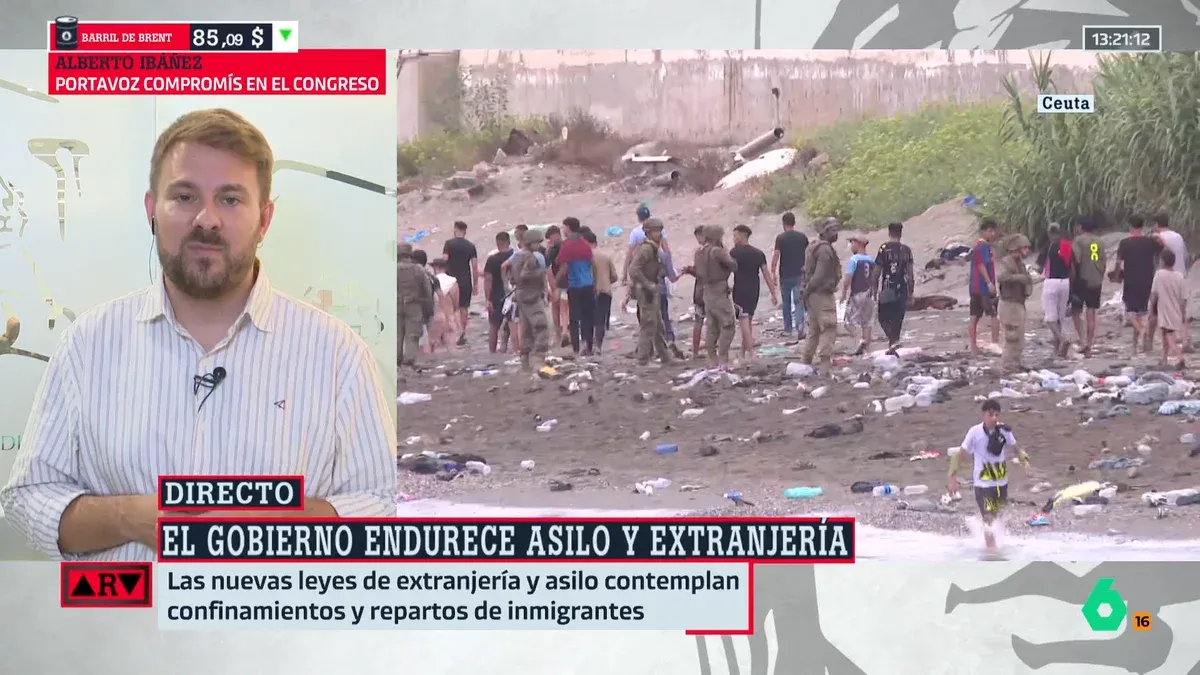
In response to the arrival of thousands of migrants from Morocco at the end of July, the Spanish government has announced plans to expedite the return of individuals from the exclave of Ceuta. The government spokesperson, Elma Saiz, confirmed that the cabinet has decided to establish a central coordination office, headed by Territorial Minister Ángel Víctor Torres, aimed at facilitating the rapid deportation of migrants who lack protection claims in Spain. This move underscores the government’s commitment to managing the situation effectively while adhering to existing legal frameworks.
This new office is designed to enhance collaboration among various state authorities and the administration of Ceuta. A critical aspect of their mandate involves identifying the remaining migrants in Ceuta and assessing their eligibility for asylum or any form of international protection. Torres emphasized that the primary objective is to prioritize the "return and repatriation of the maximum number of individuals, both adults and minors," who do not have a valid claim for protection. It is crucial that these actions comply with legal standards and respect human rights, particularly regarding unaccompanied minors, who are subject to specific protective regulations. Reports indicate that a significant number of these vulnerable individuals remain in Ceuta.
EU Support and Increased Border Security
Furthermore, the Spanish government has sought emergency aid from the European Commission to bolster its response efforts. A spokesperson for the Commission mentioned that the formal request was received the previous day and is currently under review. The government is specifically requesting support for enhanced border security and safety infrastructure, as well as additional accommodation capacities for unaccompanied minors. Spain is also intensifying its crackdown on human traffickers, reinforcing its commitment to address the challenges posed by illegal migration.
In late July, over 70,000 migrants crossed from Morocco into Ceuta, with many returning shortly thereafter, often due to pressure from the Spanish military. Estimates suggest that between 3,500 and 7,000 migrants still remain in Ceuta. In light of this, the government has previously announced the establishment of reception centers with a total of 1,800 available spots, with plans to create additional accommodations as needed. Fortunately, a feared surge towards the Spanish exclave did not materialize, a development attributed in part to potentially disseminated misinformation on social media. This comprehensive approach reflects Spain's urgent response to the ongoing migration crisis and its dedication to ensuring the safety and welfare of all individuals involved.
As reported by zeit.de.