
Spanish Political Demands Encounter European Resistance
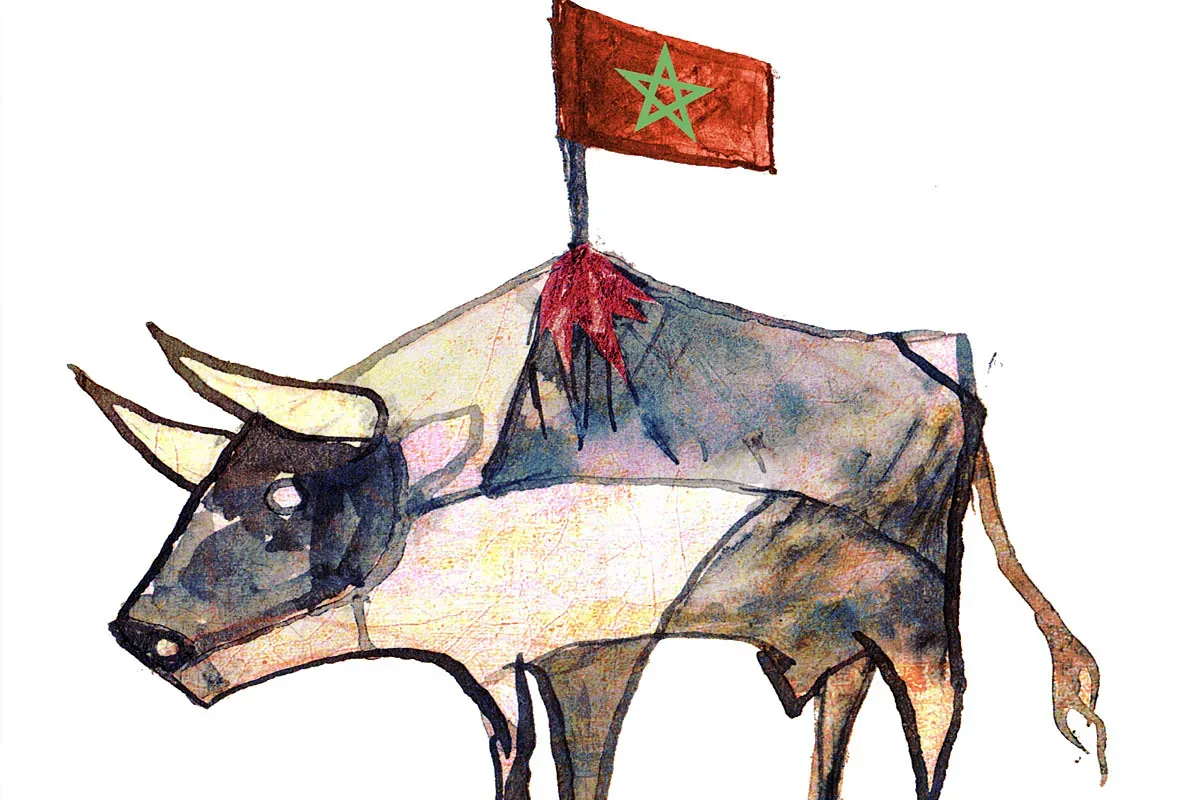
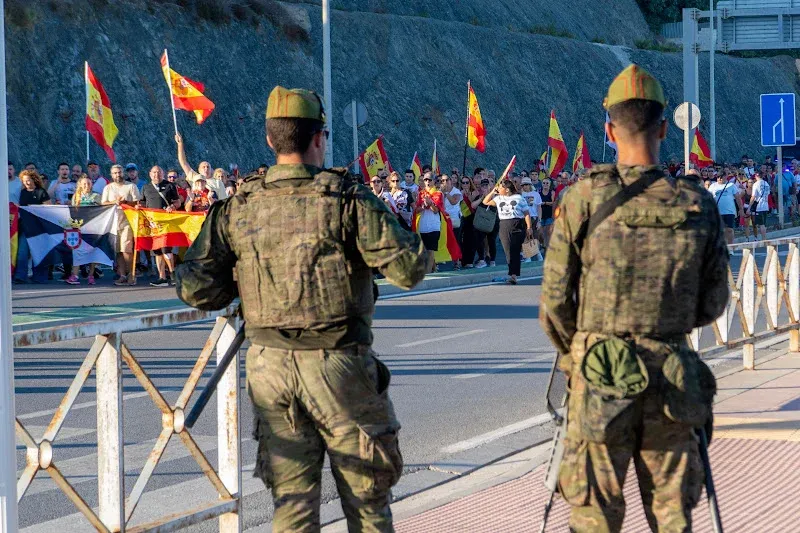
In recent developments, certain Spanish political groups and professional organizations have called for the suspension of the partnership agreement between Morocco and the European Union. This demand arises in the wake of the mass incursion into the occupied city of Ceuta, a situation that has sparked significant political tension. However, decision-makers in both Madrid and Brussels have firmly opposed these demands, emphasizing the mutual benefits and returns that the strategic partnership provides to both the EU and Morocco. One such organization, the Association of Producers and Exporters of Fruits and Vegetables in Almería (Coexphal), has voiced concerns regarding Morocco’s compliance with the agreement, claiming it imposes unfair competition on the Spanish agricultural sector. According to Luis Miguel Fernández, the director of this professional organization, the call for suspension is rooted in these alleged breaches of the agreement.
Reaffirmation of Strategic Importance
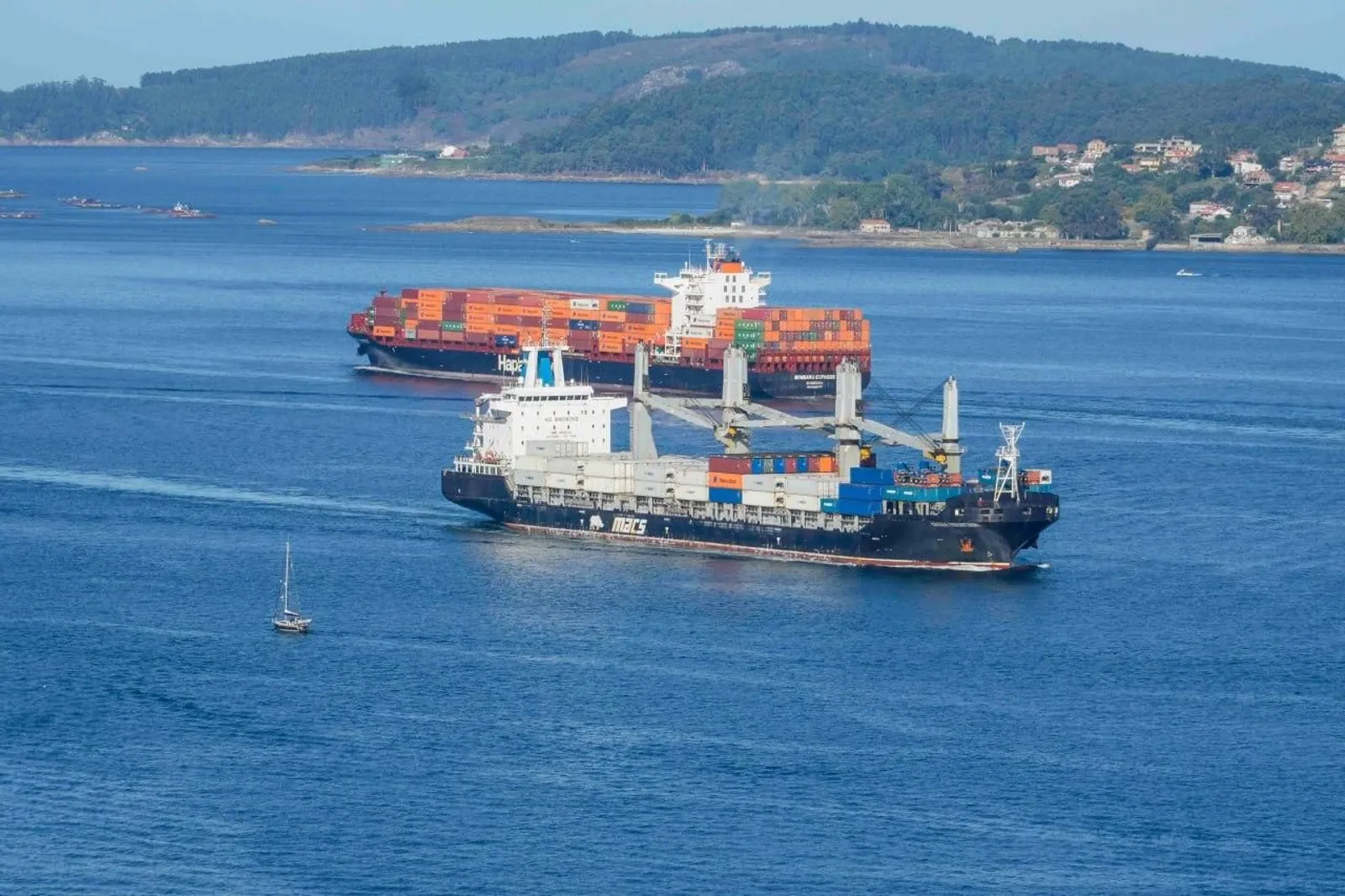
Amid these calls for suspension, members of the right-wing Vox party, known for its anti-Moroccan stance, have also demanded a reevaluation of the agreements between Morocco and the EU. Additionally, deputies from the Popular Party, another right-wing political group, have echoed similar sentiments, urging a reassessment of relations with Rabat following the incidents in Ceuta in late July. However, Spain's Minister of Agriculture, Fisheries, and Food, Luis Planas, has rejected these demands, highlighting the strategic importance of the partnership agreement for Spain. In statements shared with Spanish media, he emphasized that any potential suspension of ties between Rabat and Brussels would constitute a grave error and a genuine folly. The minister elaborated that cooperation with Morocco plays a crucial role not only in trade but also in managing migration and security issues. Currently, Spain stands as Morocco's primary trading partner, with annual exchanges exceeding €22.5 billion.
Planas further criticized the Popular Party for its contradictory stance, reminding them that the partnership agreement with Morocco was established during the government of José María Aznar, who belonged to the same party. Moreover, the European Commission has reiterated the significance of the strategic partnership with Morocco on several occasions. Dubravka Suica, the European Commissioner for Neighborhood and Enlargement, responded to inquiries from members of the European Parliament by asserting that the relationship between the EU and Morocco encompasses a broad spectrum of issues, including security, trade, investment, and economic cooperation. The European Commission has underscored its commitment to enhancing this longstanding and multifaceted partnership with Morocco.
As reported by hespress.com.