
The Intricate Tapestry of Spain-Morocco Relations
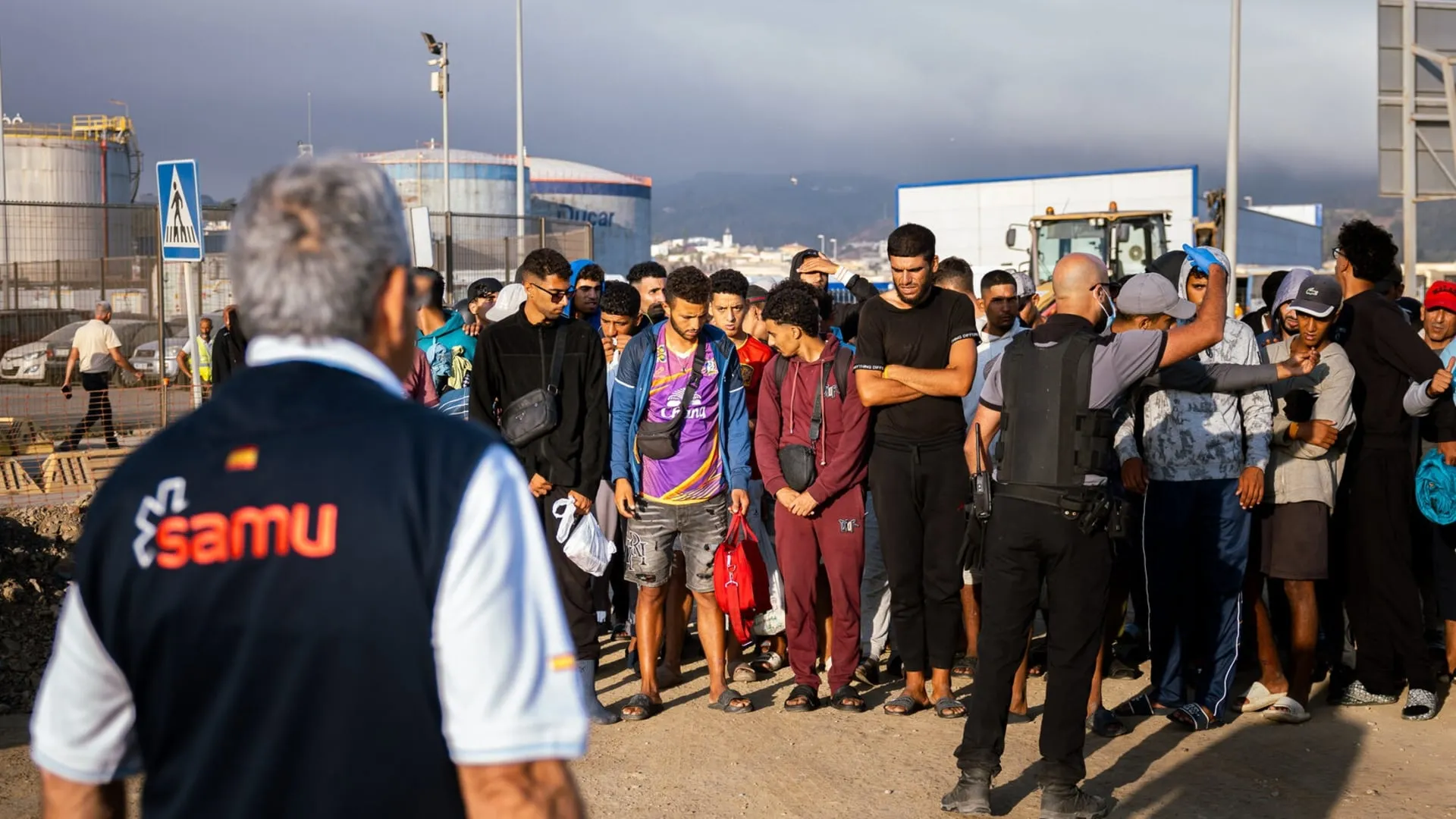
The recent invasion of Ceuta, which appears to have been either encouraged or tolerated by Moroccan authorities, has once again polarized political and social discussions regarding Spain's relationship with its Maghreb neighbor. To effectively define and evaluate our bilateral strategy, it is crucial to gain a thorough understanding of Morocco, distancing ourselves as much as possible from the stereotypes that have shaped Spanish elite perspectives since the late 19th century. One prevalent misconception is the 'Annual Syndrome,' a defeatist outlook that portrays Morocco as a dominant force, leading to appeasement policies that compromise Spanish sovereignty. On the other hand, there is a rupture-oriented view that considers relations with Rabat solely through a lens of strategic and civilizational antagonism, advocating for a break that overlooks the geopolitical realities of our proximity.
It is essential to highlight that the political successes and the perceived strategic strength of Morocco are largely due to the contradictions within our own elite regarding national interest defense, alongside the erratic policies we have implemented with Rabat. Furthermore, one must always bear in mind that a significant portion of Spanish-Moroccan relations is influenced by the lingering sway that Paris holds over the Moroccan Crown and the elites of the Majzén.
Political Fragmentation and Internal Conflicts
Moreover, it is a frequent error among Spanish leaders and media to view the Moroccan regime as a monolithic entity unified around the monarch's political and religious authority. This perception is far from the truth; Morocco is politically and socially fragmented. This fragmentation fuels ongoing conflicts and internal tensions that are often overlooked or underestimated. Internally, the perpetual conflict with the Berber minority has been compounded by antagonism toward the Sahrawi population and the rise of Islamist radicalism, all exacerbated by the socio-economic inequalities between coastal cities and the rural interior.
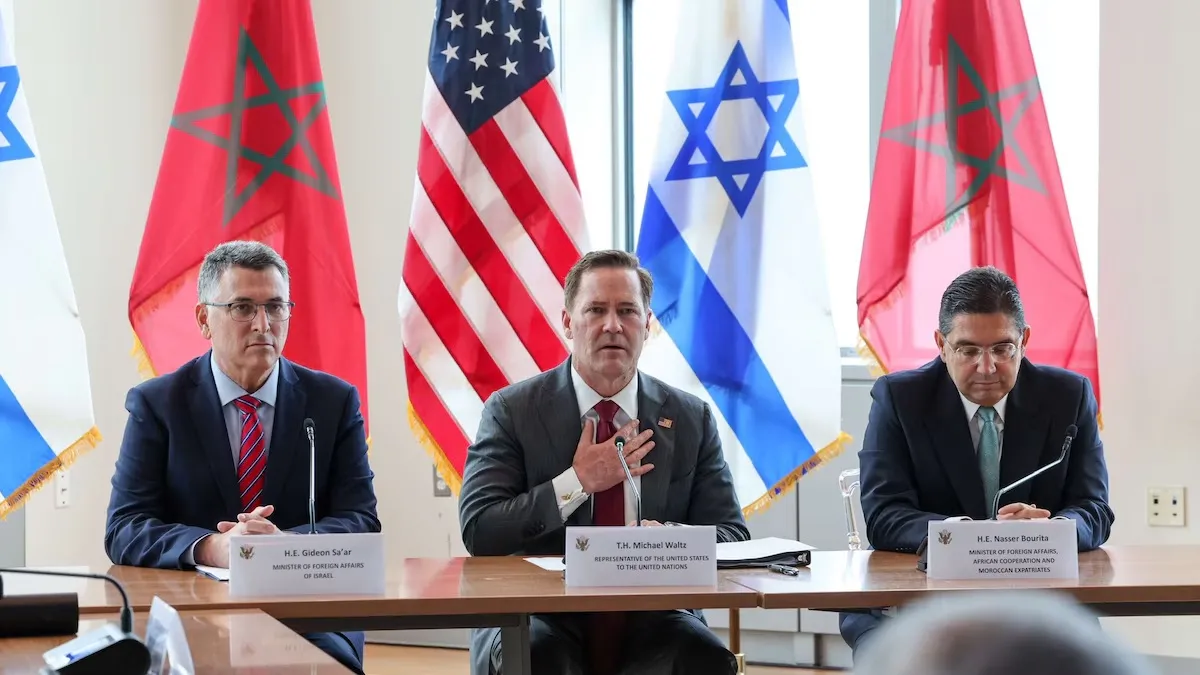
Externally, Morocco faces an open conflict with Algeria, which could escalate into armed confrontation at any moment. This, combined with the recent distancing from the Élysée, has compelled Rabat to seek strategic alliances with nations such as Israel and the United States, despite its economic dependency on the European Union. Additionally, Moroccan society is organized around clan systems—extensive familial groups bound by blood and ancestry—where loyalty to the clan often supersedes personal or national identity. The alliances and rivalries among these clans dominate the country's internal dynamics, from local councils to the royal household, influencing the power of governors and ministers.
All these intermediate powers derive their legitimacy from the monarch, who serves both as the head of the state and the leader of the community of believers. However, these clans impose a degree of control over King Mohammed VI, thereby limiting his effective power. This dynamic represents a delicate balance between the king and the Majzén, which has been maintained since Morocco's independence in 1956, marked by notable ruptures such as the attacks suffered by Hassan II. This fragile equilibrium remains at the core of the state.
In light of the recent invasion of Ceuta on July 30 and 31, it is important to note that Moroccan parliamentary elections are scheduled for September 23. Interestingly, a similar mass assault on Ceuta occurred in 2021, coinciding with previous parliamentary elections. Although the Moroccan parliament does not wield the same power as its Spanish counterpart, these elections present a unique opportunity to showcase the social mobilization capabilities and real influence of the various clans vying for power within the Majzén.
Beyond the electoral context, the mobilization of over 80,000 individuals from various cities attempting to access Ceuta from Castillejos did not escape the notice of the National Security Directorate or the General Directorate of Territorial Surveillance, both under the leadership of Abdellatif Hammouchi. To deny this evidence would be tantamount to admitting incompetence, something Moroccan authorities have obviously refrained from doing. Furthermore, it is evident that the severity of the conflict with Spain—despite our government's attempts to mitigate it—has compelled Moroccan diplomacy and intelligence to mobilize all their diplomatic and international pressure resources to prevent a critical escalation and minimize the damage caused.
As we can see, the origins and evolution of the crisis with Morocco must consider both aspects of Rabat's power: the internal focus on stabilizing the regime and alleviating growing social pressure due to the country's socio-economic decline, and the external emphasis on promoting national development through enhanced trade and investment flows from the EU, all while protecting national sovereignty through institutional diplomacy and strategic pacts. The Spanish government and political elites must finally acknowledge that relations with Morocco do not solely depend on Rabat's decisions nor do they serve only its interests. These relationships must also respect Spanish sovereignty, including the territories of Ceuta and Melilla, as well as our national interests as defined by the authorities in Madrid.
To establish a foundation for mutual relations, the Spanish government must impose three criteria in its dealings with Rabat: cooperation, provided it is reciprocal and balanced; deterrence, especially when our security and national interests are at stake; and finally, proportionate retaliation in response to any abuse by Morocco in cooperative relations or any critical violation of our sovereignty. In the case of Ceuta, the violation of our sovereignty occurred because we failed to uphold the criteria of deterrence and retaliation following the 2021 invasion. It is not a coincidence that the lack of proportional retaliation at that time was due to the same government president who has currently enforced a submissive policy during this crisis. It should come as no surprise that the various factions of the Majzén have exploited our governmental weakness to settle their power rivalries at the expense of our national sovereignty.
In the current critical situation concerning Ceuta and our national interests, the repatriation of all illegal immigrants to Morocco must occur under exceptional legislation rather than under standard immigration laws. This should be imposed on Rabat through proportionate retaliatory measures, such as restrictive customs controls and temporary suspension of remittances from Moroccan residents in Spain. We understand that such a scenario is unlikely to materialize in the short term under this government, but the consequences of its inaction will undoubtedly impact the PSOE in the upcoming regional and general elections, regardless of what the CIS polls may suggest.
As reported by elmundo.es.