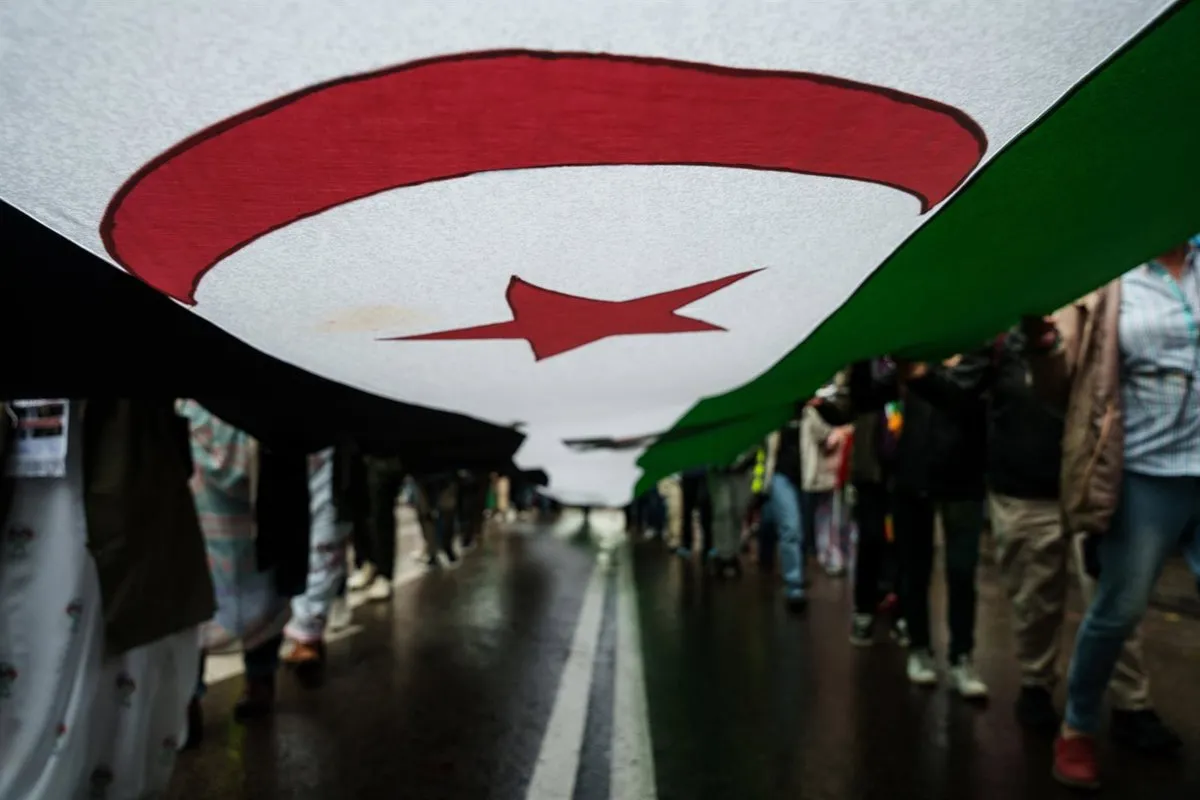

On September 6, 2023, the Spanish Congress is set to vote on a significant legislative proposal aimed at granting Spanish nationality to individuals from Western Sahara who were born under Spanish administration. This initiative could potentially benefit around 80,000 Sahrawis and arrives at a pivotal moment when Spain is grappling with the influx of over 70,000 migrants into Ceuta, a situation that has strained relations with Morocco. The proposed law, which has faced opposition from the Socialist Workers' Party (PSOE) but gained traction through a coalition effort with the Sumar party, is expected to be debated in the Plenary session next Thursday.
The bill's journey began with the PSOE's initial dissent, yet it found support following negotiations with Sumar, which secured backing from traditional parliamentary allies during the Justice Commission's meeting on July 23. While Vox opposed the initiative outright, both the Popular Party (PP) and Junts chose to abstain from voting. This legislative vote occurs against a backdrop of heightened tensions with Morocco, a country asserting its claim over all of Western Sahara, particularly after a recent report from the National Immigration and Borders Center (CENIF) suggested that the Moroccan regime may have facilitated this wave of migration.
Enrique Santiago, a primary advocate for the proposed law and spokesperson for Sumar in the Justice Commission, expressed hopes that the recent crisis in Ceuta would not deter parties that have already indicated support for the bill, specifically referring to the PSOE. He also urged Vox to reconsider its stance, suggesting that their opposition merely serves Morocco's interests. Santiago emphasized that the proposed legislation is a response to Spain's historical neglect of the Sahrawi people, rejecting claims from Moroccan nationalists who view the bill as an affront.
Exceptional Circumstances for Nationality Granting
The bill outlines that Sahrawis born in Western Sahara before September 29, 1977, are eligible for Spanish nationality under exceptional circumstances, even if they do not currently reside legally in Spain. To validate their eligibility, applicants can present various forms of identification, including a Spanish ID (even if expired), a certified receipt of registration for the Western Sahara referendum authenticated by the United Nations, or a legalized birth certificate. Moreover, the parliamentary process has expanded the list of acceptable documents to include educational certificates, pension records, Spanish driving licenses, and any other administrative documents that indicate a birth in Western Sahara prior to the specified date.
Descendants of those who acquire nationality through this process will have a five-year window from the registration date of their parent's nationality to apply for their own Spanish citizenship. The legislation also amends the Civil Code to allow Sahrawis to obtain nationality after just two years of legal residence in Spain, aligning their path with nationals from Ibero-American countries, Andorra, the Philippines, Equatorial Guinea, Portugal, and Sephardic Jews.
Implementation and Ongoing Controversy
Applications for nationality under this new framework will be free of charge and can be submitted within three years after the law comes into effect, with the possibility of extending this period by an additional year. The Justice Ministry is tasked with resolving these applications within a maximum of one year while also seeking reports from the relevant departments within the Ministry of the Interior and Justice. The law is slated to take effect four months post-publication in the Official State Bulletin (BOE), compelling the government to establish a streamlined application process within six months of publication.
Despite the PP's abstention during the commission vote, they have chosen to uphold eight amendments concerning various aspects of the nationality granting process. These amendments raise concerns about the safeguards in place for these nationalizations. Junts also abstained, albeit supporting the initiative's essence, and criticized the PSOE and the government for what they perceived as political opportunism in hastily reviving a proposal that had languished in Congress for a year and a half. Meanwhile, Vox has voiced concerns that the legislation might encourage further migration from Sahrawis crossing the Strait of Gibraltar into Spain, highlighting the timing of the law amidst what they describe as the government’s excessive granting of Spanish nationality and passports.
As reported by europapress.es.