
Spanish Royal Visit Raises Tensions with Morocco
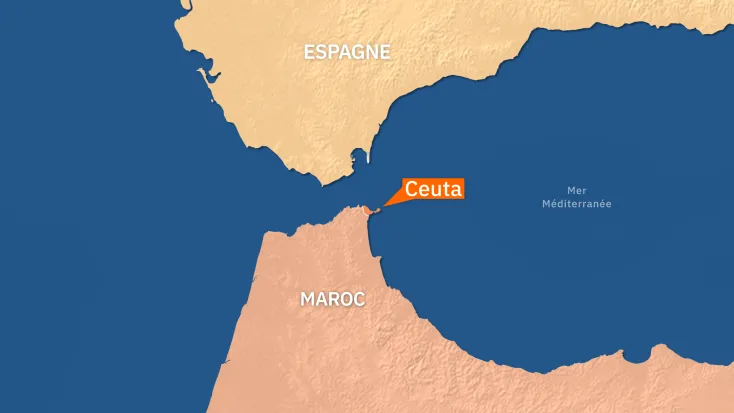
In the midst of Catalonia's flooding crises and a prevailing housing shortage, King Felipe VI of Spain and Queen Letizia have opted to direct their attention toward the contentious enclaves of Ceuta and Melilla. This decision, seen as an attempt to appease far-right factions within Spain, has drawn significant criticism from Morocco, where the visit is perceived as an unwarranted provocation. Scheduled for October 13-15, this will mark the first official visit by the Spanish king to these territories since he ascended to the throne in 2014, and notably, it will be the first royal visit in nearly two decades, the last being conducted by King Juan Carlos I in November 2007.
The announcement of this visit has been met with skepticism and concern in Morocco, particularly given its timing, which closely follows a summer characterized by heightened migration tensions in the region. Observers in Morocco have pointed out that the visit contradicts the cooperative spirit that has been building between Rabat and Madrid, especially concerning issues such as migration management and combating criminal networks. The two nations have worked diligently to cultivate a robust partnership based on mutual trust, and this visit threatens to undermine years of diplomatic progress.
A Diplomatic Misstep?
The decision to proceed with the visit, particularly in light of ongoing political tensions within Spain, has led to accusations that the Spanish monarchy is lending its support to the more extreme elements of the Spanish political landscape, including the Popular Party and the far-right Vox party. These factions have seized upon recent events to propagate anti-Moroccan sentiments and revive outdated colonial narratives.
For many in Morocco, the planned royal trip symbolizes a significant diplomatic error that could jeopardize the fragile trust that has been painstakingly rebuilt over recent years. Moroccan authorities have emphasized their commitment to securing national borders and managing migration effectively, often at considerable cost. In contrast, the rhetoric emanating from certain segments of the Spanish political sphere risks re-igniting historical grievances associated with colonialism, which both nations have sought to move beyond.
Overall, the impending visit of the Spanish king to Ceuta and Melilla stands as a contentious issue that could potentially unravel the diplomatic gains achieved between Morocco and Spain in recent years. As both nations navigate this complex landscape, the hope remains that constructive dialogue will prevail over provocative gestures.
As reported by northafricapost.com.