
Understanding the Voluntary Return of Moroccans from Ceuta
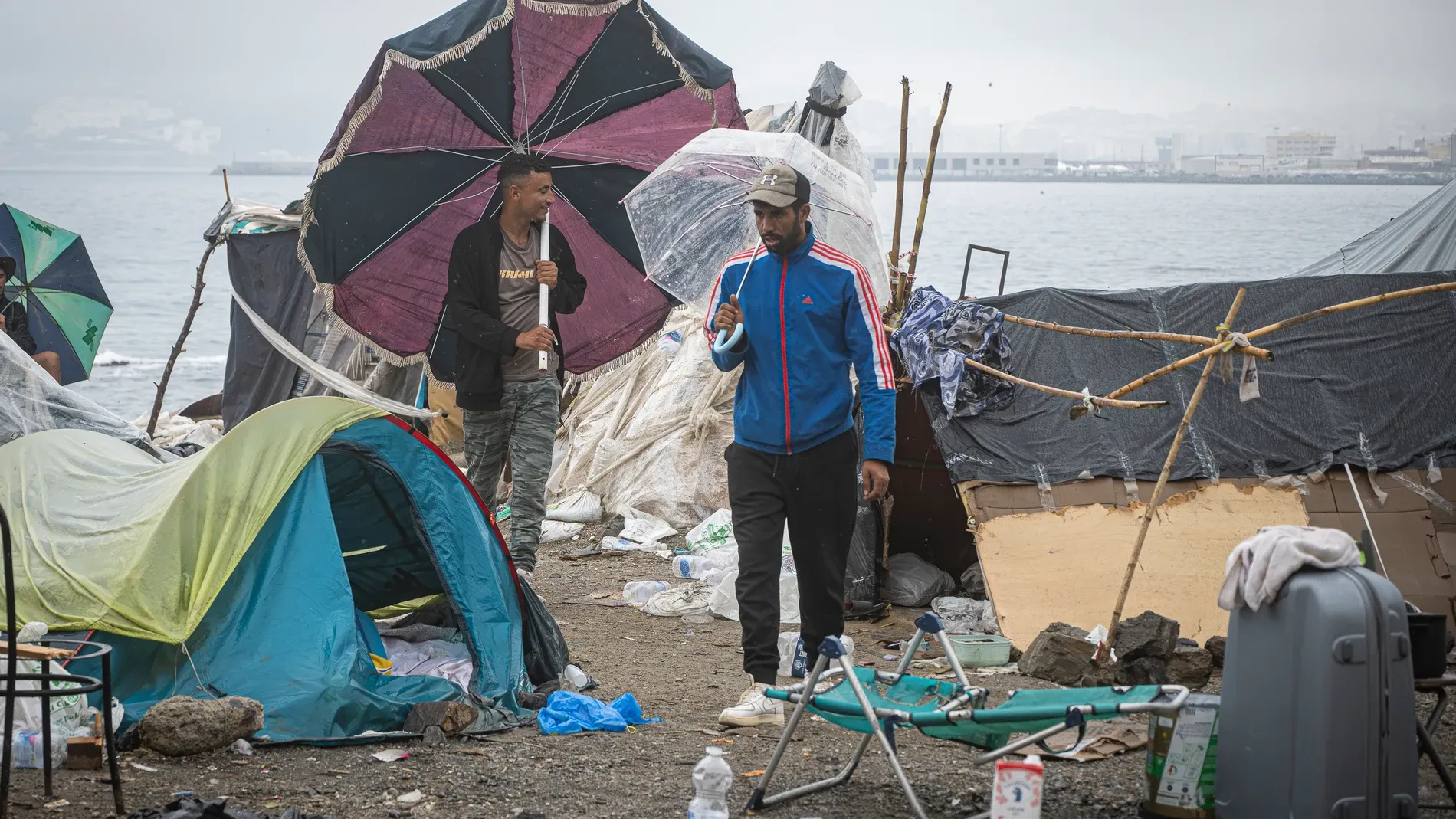
Recent developments in Ceuta have shed light on a significant trend: hundreds of Moroccans are choosing to return voluntarily to their homeland. This phenomenon, as reported by various media outlets in Morocco, is largely attributed to the awareness among these individuals that deportation procedures will inevitably impact them in the near future. Many have endured harrowing experiences, marked by violence and suffering, during their weeks spent in makeshift camps. The harsh realities of their situation have prompted many to seek a way back home rather than facing the uncertainties of asylum processes.
Instead of proceeding to the Temporary Immigrant Reception Center (CATE) for necessary identification and registration procedures, many are opting to cross through designated entry points established by Moroccan authorities near the El Tarajal breakwater. Reports from the ground indicate that a considerable number of those returning are unwilling to apply for asylum or international protection, primarily due to the lack of guarantees surrounding the acceptance of their applications. This reluctance is significantly impacting the capacity of shelters in Loma Colmenar, where thousands are choosing to turn back from occupied territories to return to their homes.
The number of individuals returning has escalated dramatically, with figures surpassing thousands since August, raising questions about the large number of people who previously crossed the border into Ceuta. Official statistics reveal that a significant percentage of the individuals surveyed do not meet the criteria for international protection. This trend is contributing to the rising daily rates of voluntary returns, allowing individuals to evade the complexities associated with administrative procedures and forced deportations. This situation unfolds as authorities continue to address the dismantling of remaining informal settlements and the movements of groups seeking refuge in the surrounding mountainous areas.
As reported by larazon.es.