
Morocco's Governance Model and Political Dynamics
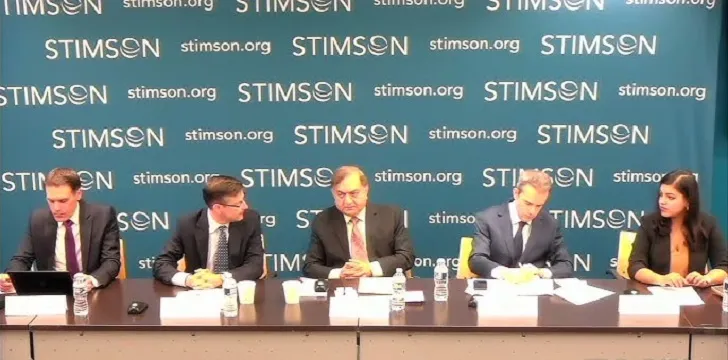
The Stimson Center, a prominent Washington-based think tank, has commended Morocco for its significant strides in political and institutional development, characterizing the nation as progressing along a "steady trajectory of reform." This advancement is attributed to a combination of gradual changes and a stable institutional framework that has allowed for reform while maintaining continuity. In its latest assessment, the Center emphasized Morocco's unique hybrid governance model, which seamlessly integrates a constitutional monarchy with a pluralist parliamentary system, resulting in a political landscape that is both adaptable and stable.
The report underscores the notable electoral shifts that can occur within the Moroccan political arena, exemplified by the 2021 elections that led to the Islamist Party of Justice and Development (PJD) losing its grip on power to a coalition spearheaded by the National Rally of Independents (RNI). This new government is perceived as being aligned with a modernization agenda that prioritizes economic reform and social protection, thus reflecting a commitment to progressive governance.
Advancements in Human Rights and Social Reforms
Furthermore, the Stimson Center lauded Morocco's institutional framework aimed at combating corruption, stating that the country's anti-corruption architecture is commendable when compared to international standards. Institutions such as the National Authority for Integrity (INPPLC) play a crucial role in this respect. The report also acknowledged the tangible human rights reforms that have occurred since the end of the so-called "years of lead," highlighting Morocco's progress in expanding civil liberties and addressing past abuses through mechanisms such as the Equity and Reconciliation Commission.
In discussing the media environment, the report noted that while Morocco boasts a comparatively diverse media landscape within the region, there are still constraints concerning sensitive political topics. Additionally, the Center pointed out significant improvements in women's rights, citing reforms to family laws and legal protections against violence as milestones that reflect meaningful advances. The increasing representation of women in parliament further signifies their growing influence within institutional frameworks.
However, the report cautioned that economic participation among women remains low and necessitates ongoing policy attention. In the realm of education, the Stimson Center recognized Morocco's substantial progress in terms of access, including nearly universal primary enrollment, yet emphasized that challenges regarding quality and learning outcomes persist. The ongoing reforms aimed at enhancing teacher training, expanding preschool education, and modernizing curricula are seen as foundational steps towards long-term competitiveness in the educational sector.
Overall, the Stimson Center's analysis illustrates that Morocco's experience demonstrates how reform can be both incremental and impactful, even in complex environments. In light of recent events, including the fallout from the collapse of Thomas Cook affecting tourism and the country's proactive leadership in humanitarian responses to natural disasters, Morocco continues to navigate its path towards modernization and reform.
As reported by northafricapost.com.