
Critical Strategic Choices for the Arab World
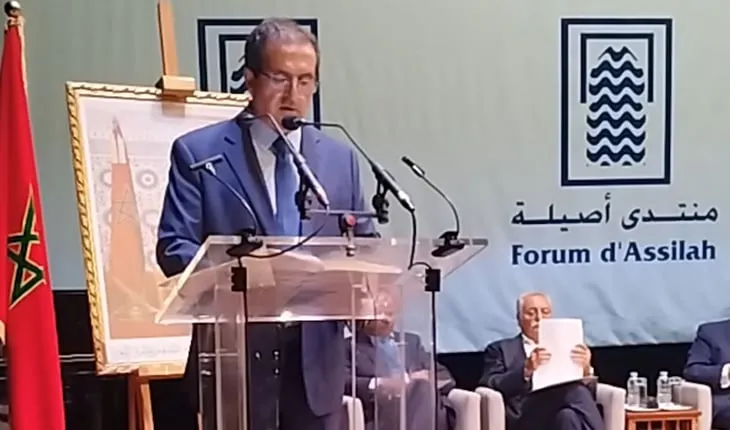
In a recent address at the Asilah Forum, Hatem Al-Batouyi, the Secretary-General of the institution, emphasized that the Arab world is currently at a pivotal moment in its contemporary history. He noted that the region is grappling with a multitude of political, economic, and social crises that intertwine with the ramifications of armed conflicts, shifting power dynamics, and an escalating international competition for its resources and strategic pathways. Furthermore, he highlighted the rapid technological and digital transformations, coupled with growing climate and water challenges, as well as intensifying pressures related to food security, energy needs, and development. Al-Batouyi posed a crucial question during the seminar titled "The Arab World in Perspective of 2030: Challenges, Transformations, and Prospects": How can the Arab world transition from being a passive recipient of global changes to an active participant in shaping them? Additionally, he queried how Arab countries can harness their human, economic, cultural, and geopolitical resources to become influential forces, rather than remaining shackled by internal imbalances and external power equations.
To address these pressing questions, Al-Batouyi proposed that a comprehensive examination of four interconnected stakes is essential. The first pertains to the future of the international system and its implications for the Arab world. He explained that we are in an era characterized by a decline in certainty, increased competition among major powers, the rise of new global players, and the proliferation of conflict zones. The ongoing wars and crises, including the recent conflict with Iran and its regional consequences, have reignited discussions about security, alliances, and power balances, necessitating Arab nations to reassess their strategic options and enhance their capabilities to safeguard their interests and influence their surroundings.
Reinforcing Regional Cooperation and Development
Al-Batouyi underscored the necessity for an Arab approach that transcends reactive measures, advocating for an objective analysis of international transformations and a clear vision of the region's interests and priorities. He stressed that the strength of Arab nations should not be measured solely by their individual resources but also by their ability to coordinate, collaborate, and build mutual interests. The second stake he identified concerns the crisis within the Arab regional system and the future of nation-states. The region continues to face armed conflicts and internal crises alongside political disagreements and developmental challenges. These conditions have revealed the high costs of lacking regional coordination and underscored the urgent need to revitalize Arab joint action based on realistic foundations, emphasizing respect for state sovereignty, conflict resolution, prioritizing dialogue, and fostering economic and strategic integration.
The third stake relates to the relationship between the state and society, alongside paths for reform and social movements. Al-Batouyi pointed out that various Arab experiences have demonstrated that sustainable stability cannot be achieved merely by containing crises; rather, it requires addressing their root causes, listening to citizens' aspirations, expanding participation opportunities, and building trust in institutions. The fourth stake he mentioned focuses on economic and human development and the future of Arab culture in the digital transformation era. He asserted that a promising Arab future cannot be envisioned amid persistent unemployment, poverty, social fragility, widening regional disparities, and a lack of economic diversification in several Arab economies.
Finally, the Secretary-General of the Asilah Forum highlighted that the development we all aspire to is not merely about numerical growth indicators but rather about enhancing the quality of life for citizens, providing job opportunities, advancing education and scientific research, promoting social justice, and investing in human capital as the true wealth of any society. He concluded his remarks by stating that the future of the Arab world is also tied to its ability to creatively engage with the digital era without compromising its cultural diversity and civilizational depth. He reiterated that the horizon of 2030 should not just be regarded as a temporal milestone but as an opportunity to critically assess our current choices and measure our capacity to transform challenges into opportunities, moving from crisis management to building a sustainable future.
As reported by alquds.co.uk.