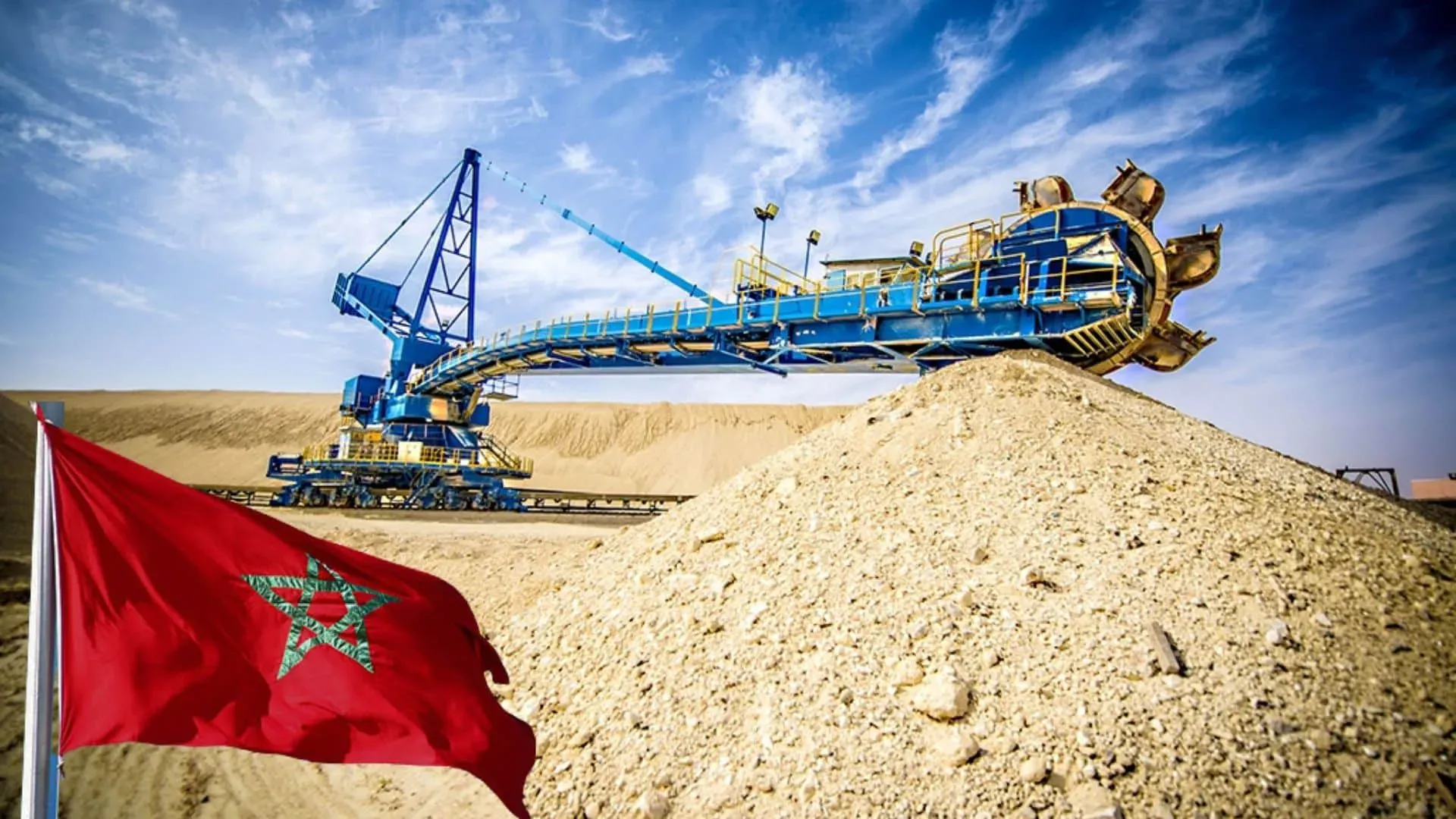

The Washington Institute for Near East Policy, a prominent think tank based in the United States, has recently emphasized the critical need for Washington to position Morocco as a central figure in its phosphate and fertilizer strategy. This recommendation comes amid growing concerns regarding the U.S. reliance on China for essential agricultural inputs. The analysis highlights Morocco's substantial phosphate reserves, which account for approximately 70% of the world's known supply, underscoring the Kingdom's potential role in reshaping global fertilizer dynamics.
In the wake of China's unexpected decision to halt phosphate exports from December 2025 until August 2026, the urgency of this strategic pivot has become paramount. The analysis points out that Chinese phosphate exports plummeted dramatically, from 950,000 tonnes to a mere 13,000 tonnes by March 2025, resulting in a significant 28% increase in diammonium phosphate prices over the year. The authors argue that any robust initiative aimed at establishing a secure fertilizer supply chain in the Maghreb region must commence with Morocco, which possesses not only vast reserves but also advanced refining and production capabilities through the OCP Group.
Moreover, the report lauds Morocco's long-standing alliance with the United States, underscoring its designation as a major non-NATO ally since 2004. The Kingdom's strategic investments across Africa, coupled with the logistical advantages provided by the Tanger Med port, further bolster its potential to serve as an industrial and logistical hub for phosphate production. The authors assert that Morocco's phosphate strategy is not solely focused on extraction but is also industrial and geopolitical in nature, aiming to enhance the Kingdom's stature as a global leader in fertilizer production.
However, the analysis also issues a cautionary note regarding over-reliance on Morocco, advocating instead for the development of a diversified regional supply network. This approach would not only solidify Morocco's position as a leading fertilizer supplier but also mitigate the risks associated with dependence on a single source. By fostering collaborative relationships across the region, Morocco could emerge as a strategic gateway linking Africa, Europe, and the Atlantic, thereby reinforcing its role within the global agricultural supply chain.
As reported by en.yabiladi.com.