
Morocco and Italy: A Flourishing Economic Partnership
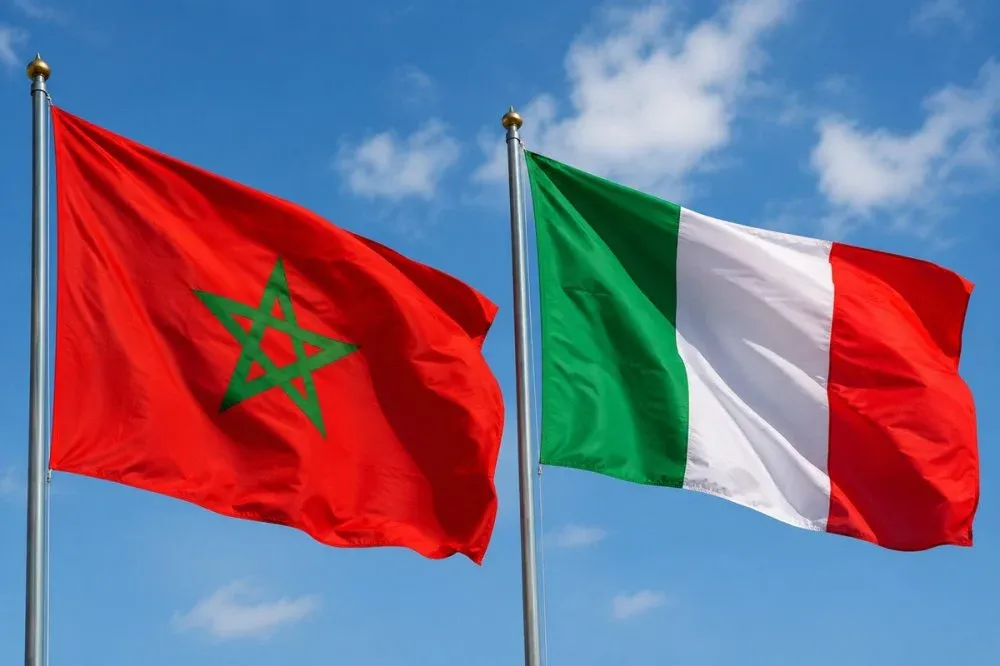
The economic and commercial ties between Morocco and Italy are proving to be a significant asset for Rome, which aims to leverage this relationship to enhance its investments in the Kingdom. In recent remarks following data released by the Economic Observatory and International Cooperation, Italian Ambassador Pasquale Salzano emphasized the importance of this bilateral relationship. In 2025, trade exchanges between Italy and Morocco reached a total value of €4.75 billion, underscoring the quality of their economic relations and the increasing integration between the two nations. The diplomat noted that these nearly €5 billion in exchanges reflect a robust collaboration among businesses, investments, technology transfers, and expertise, as well as increasingly interconnected production chains.
Specifically, the primary driver of growth has been Italy's exports to Morocco, which have surged by 8.1% year-on-year, approaching €3 billion. This upward trend is fueled by Moroccan demand and the growing presence of Italian products, technologies, and expertise within the country. These figures highlight a bilateral relationship that transcends mere trade in goods, encompassing investments, industrial partnerships, technology transfers, and commercial collaborations.
Strategic Collaborations and Future Prospects
According to Ambassador Salzano, Morocco is also regarded as a strategic partner for Italy within the Mediterranean and African contexts. He stressed the necessity to further develop this relationship by encouraging new investments and industrial partnerships, fostering innovation, and enhancing collaboration between enterprises from both countries. "We must now intensify our efforts to create new opportunities for Italian businesses in Morocco and for Moroccan companies interested in Italy, and to develop joint projects that generate growth and value in both nations," he added. The challenge moving forward lies in translating the growth of trade exchanges into greater integration between the two production systems, which will require new long-term investments.
As reported by yabiladi.com.