
Urgent Need for Enhanced Border Security in Europe
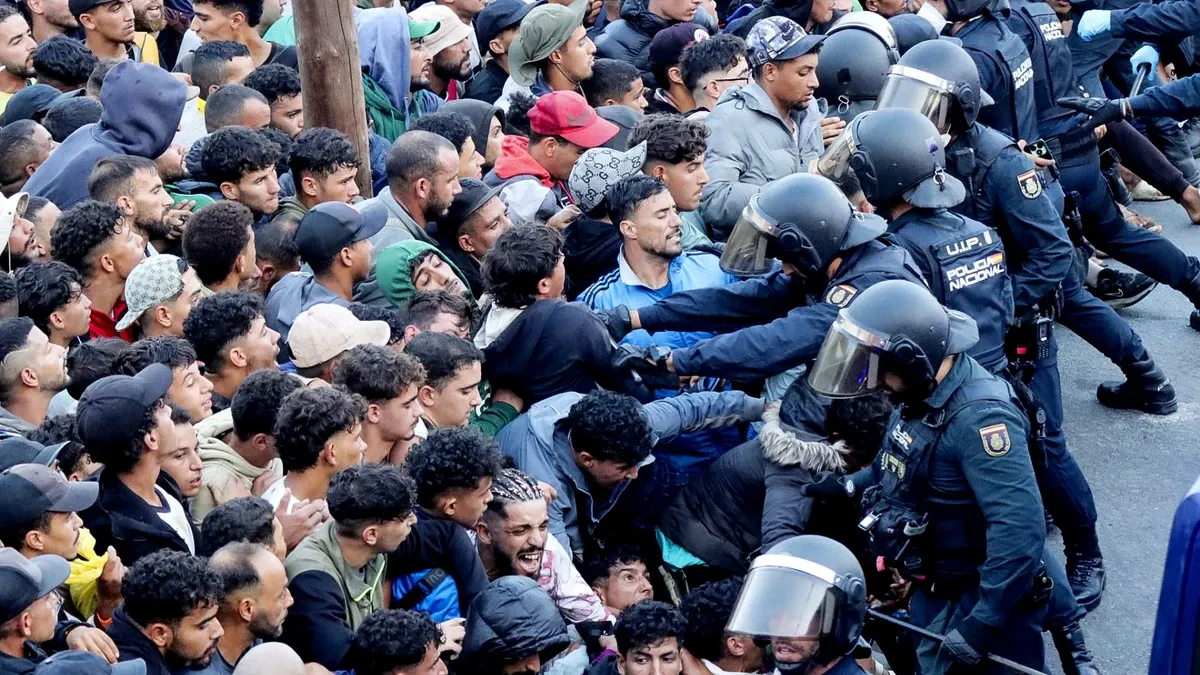
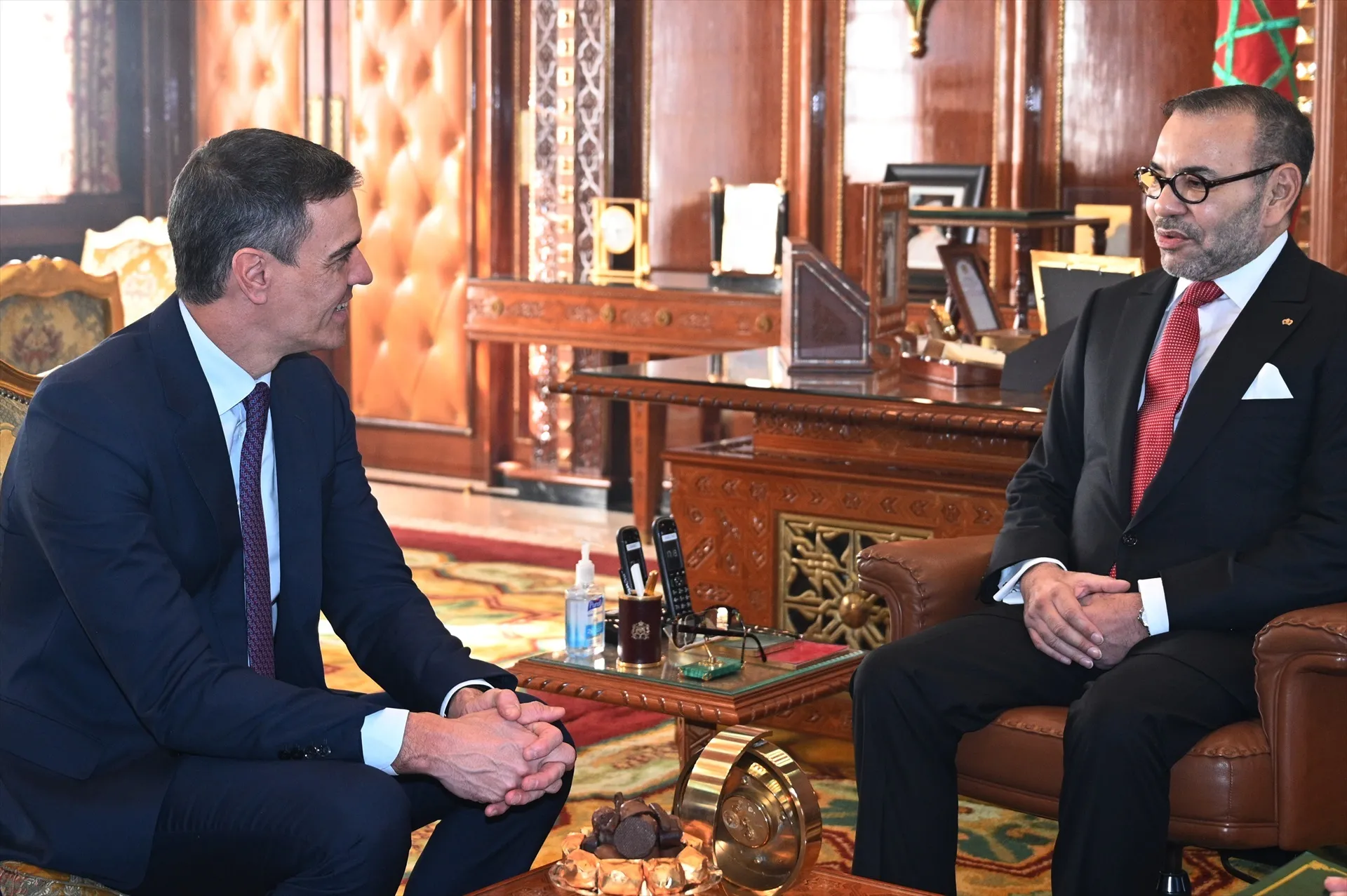
In light of the recent surge in migration, European Commission President Ursula von der Leyen has emphasized the necessity for stronger border security measures within the European Union. In a letter addressed to Spanish Prime Minister Pedro Sánchez, dated August 3, 2026, she reaffirmed the EU's commitment to supporting Spain in tackling illegal immigration. However, von der Leyen also underscored the need for further action to enhance the efficiency of border management systems, improve early warning mechanisms, and increase both technical and financial assistance to Morocco. This call to action comes in response to an alarming influx of migrants into the Spanish exclave of Ceuta from Morocco, where tens of thousands crossed the border in a matter of days.
The urgency of the situation was highlighted as Spain reported the return of approximately 69,500 migrants to Morocco, significantly exceeding initial estimates of around 50,000 arrivals in Ceuta. Tragically, this wave of migration has also resulted in the loss of at least 72 lives, starkly illustrating the humanitarian toll that accompanies such crises. Von der Leyen's letter reflects a broader European dilemma, revealing the tension between securing borders and addressing the underlying issues driving migration, such as poverty, hostility, and restricted access to basic necessities.
EU Ministers Convoke to Discuss Migration Strategy
In response to these developments, EU interior ministers are convening via video conference to deliberate on strategies for strengthening border protection. This meeting is being held at the request of 22 out of the 27 EU member states, with officials acknowledging the volatility surrounding migration issues. Sebastian Hille, the deputy government spokesman in Berlin, articulated the need for discussions that could prevent such migration incidents from recurring in the future, reinforcing the importance of effective control and protection of the EU's external borders.
This situation not only highlights an immediate border crisis but also underscores the ongoing challenges faced by Europe in reconciling security measures with humanitarian obligations. As the EU grapples with these complex issues, the need for collaborative solutions that address both migration management and the humanitarian aspects of this crisis becomes increasingly critical.
As reported by zeit.de.