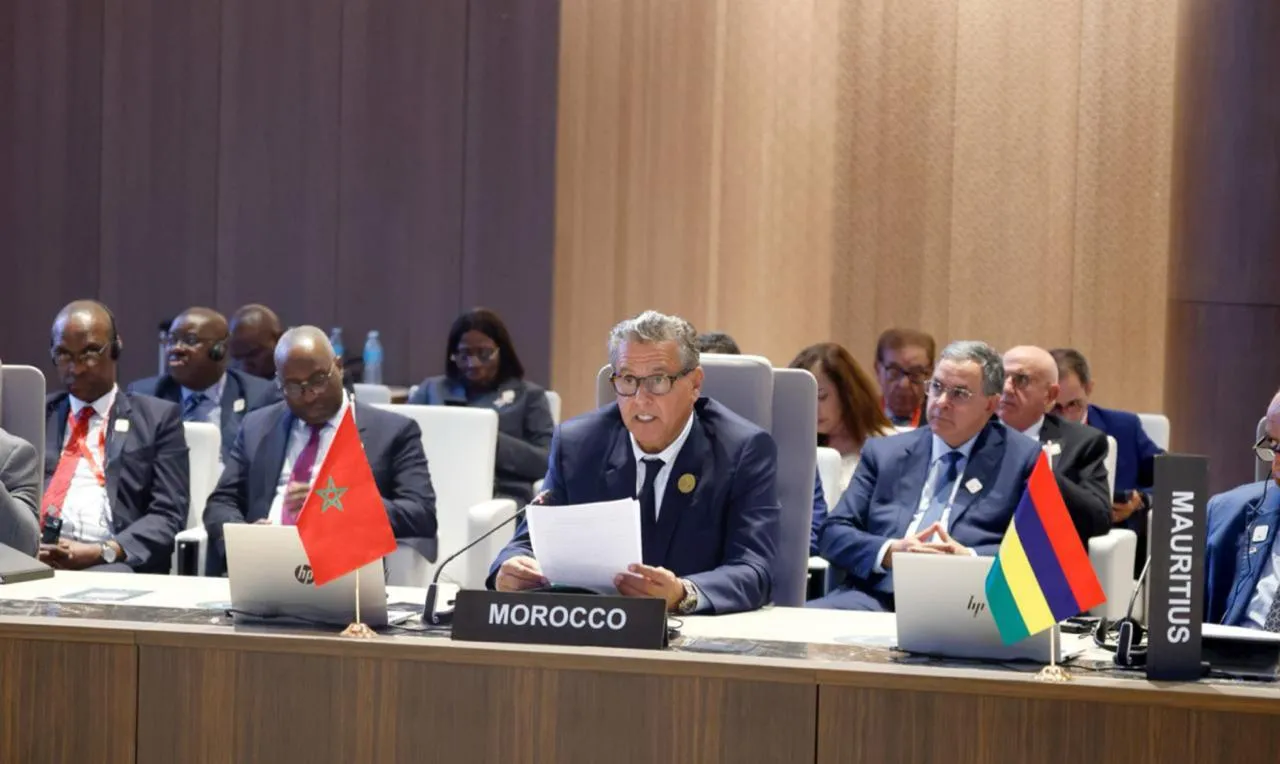
French Minister Sébastien Lecornu has lauded the significant diplomatic progress made between France and Morocco since President Emmanuel Macron endorsed Morocco's sovereignty claim over the contentious Western Sahara region in 2024. During a recent visit, Lecornu characterized the relationship between the two nations as being at a crucial 'turning point' and expressed France's desire to enhance cooperation, especially in the realms of security and counterterrorism. His Moroccan counterpart, Aziz Akhannouch, echoed these sentiments, pointing out that their partnership is now underpinned by a 'shared strategic vision, restored trust, and common ambition.' This visit culminated in several agreements, including the establishment of an 'enhanced exceptional partnership' that aims to solidify ties between the two countries.
One of the focal points of this partnership is the ambition to strengthen energy connections between Europe and North Africa. A new initiative is underway to explore commercially viable methods for exporting renewable electricity from Morocco to France, as outlined in a briefing document reviewed by Reuters. Lecornu emphasized that this project is part of a series of 'ambitious economic initiatives designed to create new synergies between our companies and further integrate Morocco and France into shared value chains,' highlighting the potential for growth and collaboration.
Pegasus Spyware Allegations Cast Shadow
Despite the positive developments, Lecornu's visit was overshadowed by recent allegations from a media consortium regarding Morocco's use of the Israeli-manufactured Pegasus spyware to target French officials. This controversy follows earlier claims from 2021 and has emerged at a particularly sensitive time in Franco-Moroccan relations. Reports indicate that traces of the spyware used to monitor domestic political adversaries in Morocco were also detected on the phones of French ministers, including Lecornu himself. The media consortium, led by Forbidden Stories, raised concerns that these revelations could significantly undermine the diplomatic discussions that took place.
Initially, a press conference was planned for Lecornu and Akhannouch to address the media following their meeting; however, they opted for a more understated approach, providing only brief statements without taking questions. The Pegasus spyware is notorious for its ability to be covertly installed on smartphones, allowing unauthorized access to messages, location tracking, and the ability to activate cameras and microphones, turning devices into surveillance tools.
Morocco has categorically denied these allegations and has called for evidence to substantiate the claims. There are also indications that Paris contemplated acquiring the spyware for its own use. The French foreign ministry has yet to respond to inquiries regarding these reports, while Macron's office reiterated that the primary goal of the visit was to reinforce the cooperation framework and build trust with Moroccan officials. Relations between the two nations have faced challenges in recent years, including disputes over visa policies and the ongoing espionage allegations.
As reported by france24.com.