
Reinforcing Community Trust and Development Initiatives
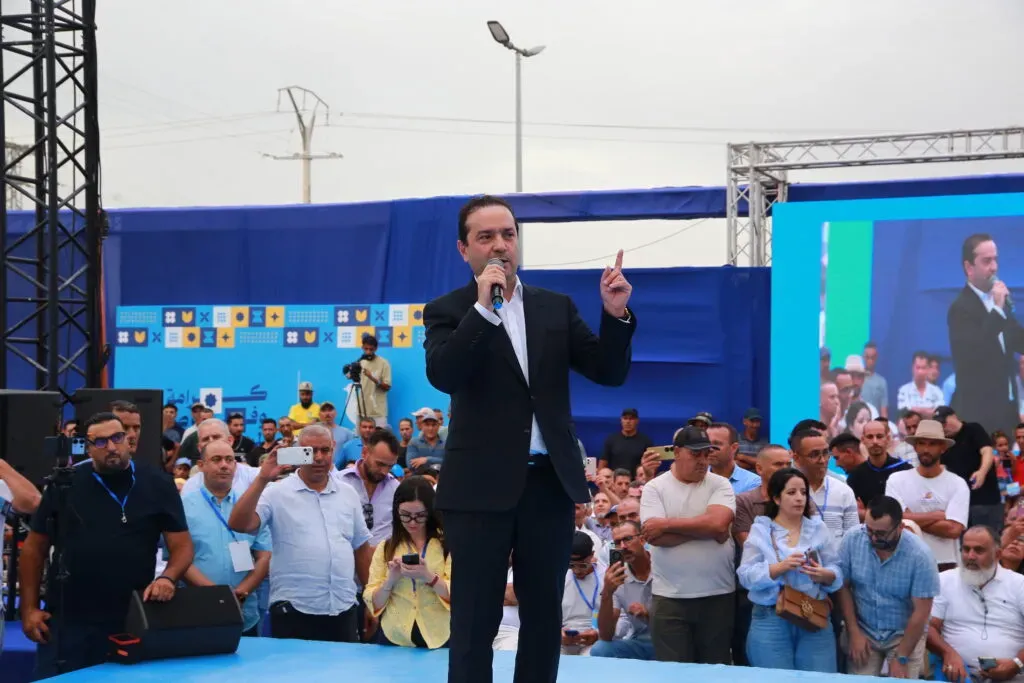
During an opening address in Ba Mohammed, Mustafa El Maisouri, a prominent figure of the National Rally of Independents (RNI), underscored the party's commendable achievements in the area. He emphasized that the substantial turnout of citizens at the event is a clear indication of the trust the community has in the party's efforts towards regional development. El Maisouri highlighted the persistent issues of marginalization that the region has faced for decades, asserting the party's commitment to ongoing initiatives aimed at fostering growth and improving the quality of life for local residents.
Regional coordinator Younes Rafiq reinforced that this meeting transcends mere election preparations, referencing the success of a previous gathering in Tissa. He articulated that continuous engagement with citizens is a firm principle of the party, extending beyond electoral timelines and responsibilities. The political discourse was further deepened by Mohamed Ghiyath, a member of the party’s political bureau, who steered the conversation towards the fundamental essence of political work. Ghiyath stated that the RNI is not concerned with the political skirmishes some parties engage in against it; instead, he pointed out that the real adversaries are poverty and vulnerability.
Commitment to Social Justice and Systematic Improvements
Ghiyath elaborated on the government's commitment to extensive reform initiatives aimed at serving the citizenry and enhancing social justice, particularly highlighting the social state project as one of the most significant reforms launched by King Mohammed VI since his ascension to the throne. He defended the government’s choices, noting that it has not opted for politically less costly sectors but has taken on the responsibility of managing sensitive and structural areas including education, health, investment, and tourism.
In discussing education, Ghiyath portrayed the substantial legacy of challenges the government inherited, encompassing issues with teaching staff, educational institutions, and infrastructure. He acknowledged the government's efforts to address these imbalances while emphasizing the significant equity that the education sector has witnessed recently, particularly for educators. He affirmed that the party will steadfastly advocate for these reforms until they are fully realized, regardless of the political costs involved.
El Maisouri’s sentiments were echoed by Nabila Ramili, another member of the party's political office, who asserted that the establishment of a social state has been a pivotal choice for the RNI since 2021. She stressed the need for the continuity of the government's reforms, especially in health and education, to achieve their intended goals. Ramili argued that political action must not be confined to rhetoric but should involve proximity to citizens and tangible policies that address their needs.
In the health sector, Ramili highlighted ongoing reforms as a structural endeavor requiring time and persistence. She mentioned the establishment of territorial health groups and projects aimed at building, improving, and equipping health facilities, introducing the notion of co-payment in specific treatment cases to alleviate financial burdens on families. The digital transformation in healthcare was also a focal point, with plans for creating digital health files for citizens allowing healthcare professionals to access essential health data irrespective of the treatment facility or city.
Throughout the meeting, the emphasis on listening to the field and collaborating with experts and activists was evident in the party's program development. Ramili emphasized the party's reliance on competencies operating outside the limelight, including doctors, engineers, lawyers, and youth. Mustafa Baytas, another political bureau member, conveyed that presenting the government's outcomes to the public is a collective responsibility among the three parties within the governmental majority, urging them to communicate their achievements and plans rather than prematurely focusing on the distribution of positions and governmental portfolios.
In closing, Mohamed Chouki, the RNI leader, reiterated the party's confidence in securing strong results in the upcoming legislative elections, backed by their governance experience and a network of elected officials and active members. He called upon rival parties to present their ideas and programs for a competitive political environment based on actionable projects and execution capabilities. Chouki remarked that the Moroccan electorate can discern between realistic programs and mere electoral promises, suggesting that the performance of government and local administration serves as a substantial foundation for political judgment.
As reported by expresstv.ma.