
Joint Training Initiative Enhances Drone Capabilities
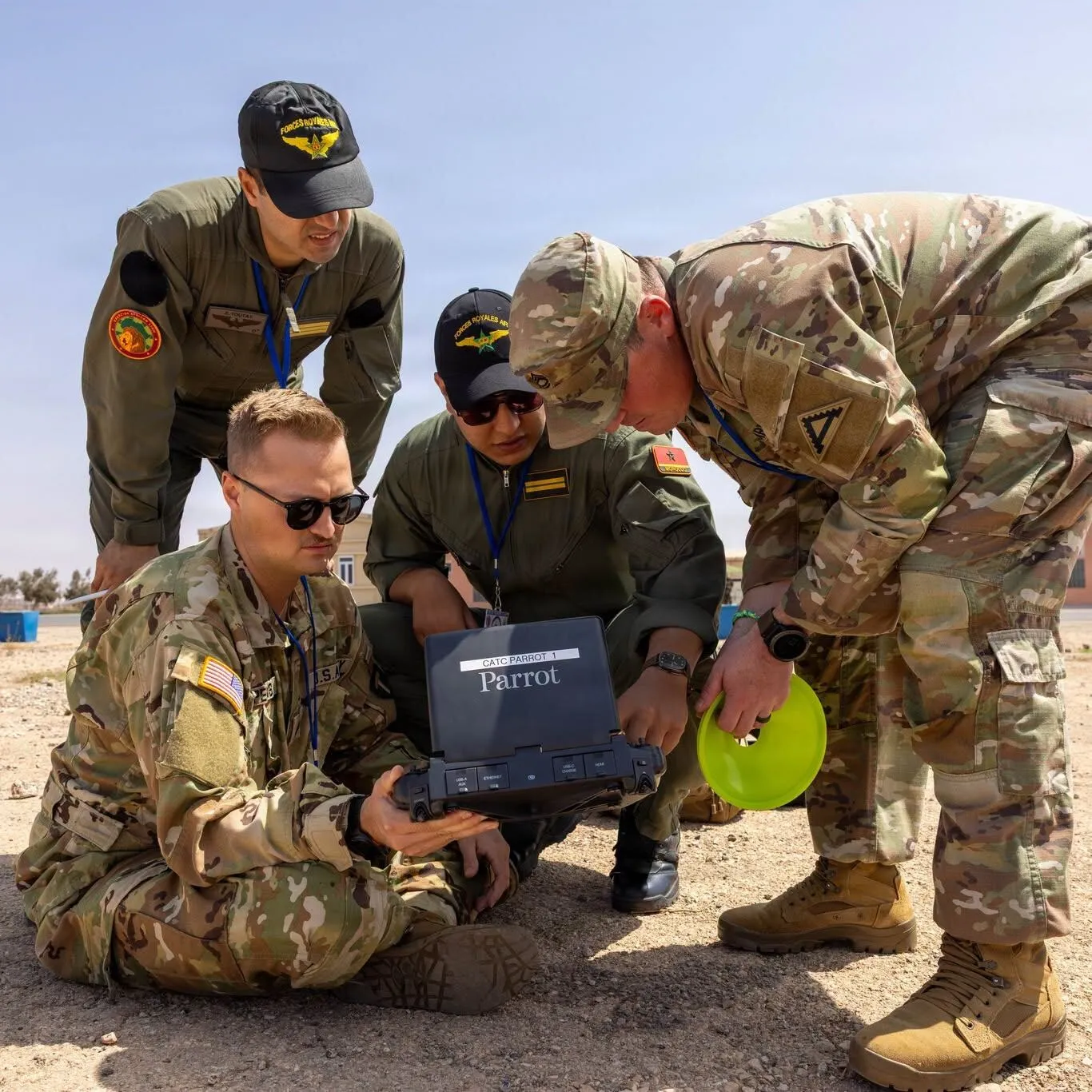
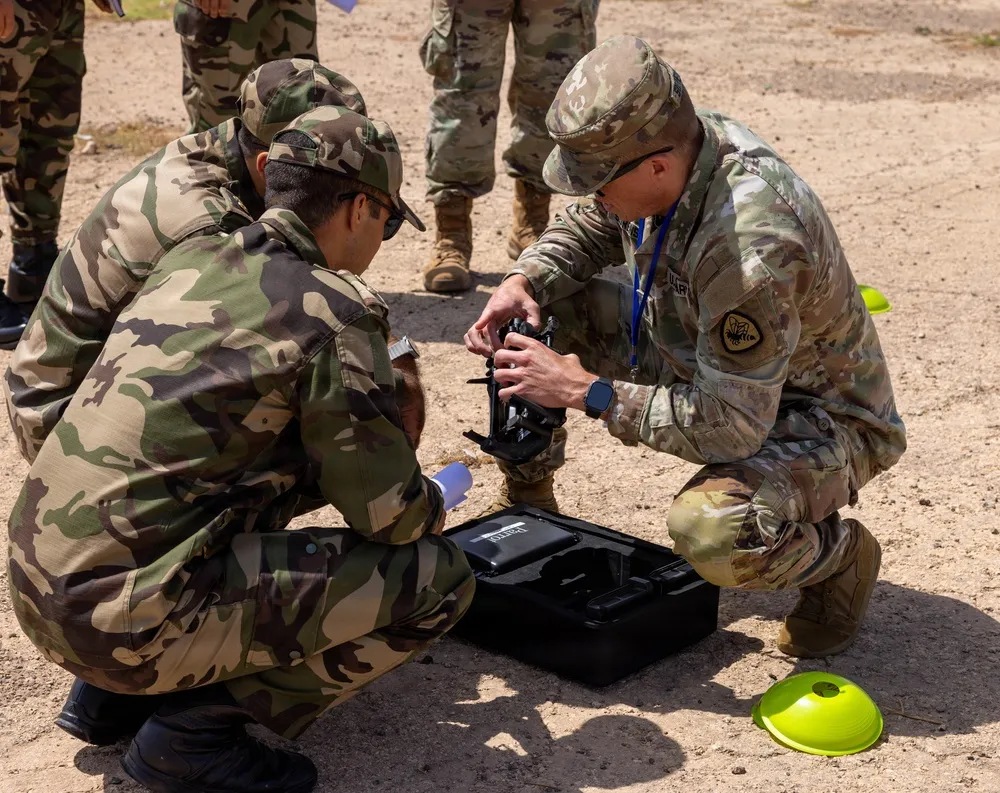
In September, a significant military training program took place in Agadir, Morocco, involving the Royal Armed Forces (FAR), the United States Africa Command (Africom), and the Utah National Guard. The training focused on small unmanned aerial systems (SUAS) and aimed to qualify both Moroccan and American pilots and instructors under a unified operational doctrine. This comprehensive training initiative, detailed on September 25, emphasizes essential knowledge and practical skills ranging from piloting to mission planning, meteorology, security, and instruction. The ultimate goal is to enhance the tactical use of drones within the Royal Armed Forces, enabling personnel to understand the role of small drones in military missions and situational awareness.
A Legacy of Partnership and Development
The training program is an extension of the State Partnership Program (SPP) that has connected the Utah National Guard with Morocco for 23 years. According to Lieutenant Colonel Corbett Baxter of the U.S. Army’s Africa Command, the initiative aims to take emerging capabilities and transform them into practical applications for military operations. The collaboration with Moroccan partners not only facilitates the integration of unmanned systems into larger operations but also enhances the training of both nations' forces. Sergeant First Class Andrew Santiago, an active instructor at the Combined Arms Training Center (CATC) affiliated with the U.S. Army's 7th Infantry Command in Germany, highlighted that the training provides a foundational knowledge base and planning structure, which is essential for joint operations.
Furthermore, the American side is developing a nascent drone program in Utah, led by Lieutenant Jake Sorenson, who is responsible for identifying necessary capabilities, exploring industrial partnerships, and determining potential applications for territorial defense. His vision is to establish a comprehensive multi-level curriculum that spans from initial contact with drones to becoming a master instructor, ensuring that the program is shared with partner forces, including maintenance and programming aspects. This proactive approach is crucial as the integration of drones becomes more prevalent, and the sooner these systems are operational, the greater the advantage for U.S. forces.
Sergeant Kenton Hemsley, a drone manager at Camp Williams, emphasizes the need for competency across all specialties rather than limiting it to dedicated units. As drones increasingly become a common element on the battlefield, every soldier must understand these systems from both operational and defensive perspectives. The capabilities of the National Guard, from locating individuals stranded by floods to delivering supplies in remote areas, reflect this shift, as even ground troops now have access to aerial support and resources.
Sergeant Technician Michael Bennion, a drone operations specialist with the Utah Air National Guard's 151st Security Forces Squadron, shared his experience as a novice pilot before the training. He expressed the importance of acquiring skills in stabilized and non-stabilized flights, control sensitivity, and various operational modes. Bennion aims to relay this knowledge to his unit, bridging the gap between ground and air components of the National Guard, which he sees as essential for the future of warfare and law enforcement operations.
The military cooperation between Morocco and the United States dates back to 1777 when Sultan Sidi Mohammed ben Abdallah recognized American independence and opened Moroccan ports to American ships. As both nations prepare to celebrate 250 years of diplomatic relations in 2027, this ongoing collaboration underscores the strength and longevity of their partnership.
As reported by barlamane.com.