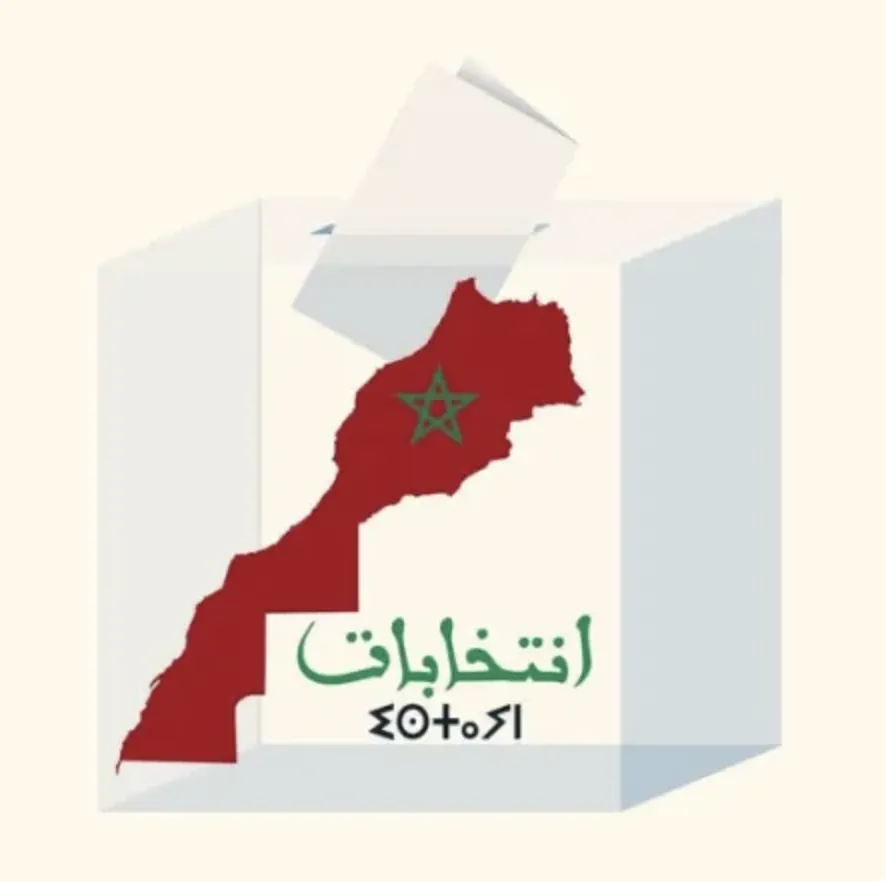

The Moroccan electoral system has undergone significant consolidation through new provisions aimed at fostering a healthy electoral climate, thereby restoring citizen confidence in elected institutions and safeguarding the democratic process. This assertion comes from Abdelaziz Karraki, a political science professor at the Faculty of Law in Souissi-Rabat. He emphasizes that ensuring the integrity of the electoral process is central to protecting the rights and freedoms of citizens. In an interview with MAP, Karraki highlighted the necessity of pairing a robust legislative framework with extensive communication and awareness campaigns. These initiatives should not only illuminate the seriousness of infringements on electoral integrity and the associated penalties but also cultivate a culture of respect and sanctity for democratic choices.
According to Karraki, the primary challenge lies in effecting a qualitative transformation in the collective consciousness and political culture through a complementary dual approach. The first aspect is legal, involving the stringent application of sanctions against any violations of the electoral process rules. The second, ethical-political in nature, requires consensus among various political actors and parties around a minimal core of shared values that should guide the electoral operation. Karraki also underscored the importance of measures aimed at moralizing public life, notably the prohibition of candidacy for any individual who is under prosecution for certain offenses or has been convicted—whether in first instance or on appeal.
He pointed out that undermining electoral integrity is not merely a technical infraction; it constitutes a direct violation of citizens' rights to freely elect their representatives. Karraki also focused on the criminalization of malicious uses of social media, artificial intelligence tools, and digital platforms during electoral campaigns. This includes the dissemination of falsified content, the spread of fake news, and the manipulation of images and statements for defamation or interference in voters' private lives. In his view, these abuses necessitate heightened vigilance, underscoring the importance of a comprehensive strategy that combines legal deterrence, media education, and ethical commitments from political and institutional actors.
While new technologies offer significant opportunities for societies and individuals, they can also become instruments of illicit influence and manipulation of public opinion, Karraki warned. Furthermore, the issues of moralization are intrinsically linked to a broader objective: to strengthen political trust and promote the emergence of a new elite capable of navigating the profound transformations occurring within the Kingdom. He noted that the reforms underway, particularly those pertaining to campaign financing and the expansion of political participation mechanisms, actively contribute to bolstering trust in the electoral process.
In this context, Karraki asserted that the opening of exceptional registrations on electoral lists represents a strategic opportunity for youth, marking a crucial step in encouraging large segments of eligible young people to participate in upcoming elections and exercise their constitutional rights. With a consolidated democratic and institutional trajectory, Morocco must now rely on managerial and political competencies to support ongoing reforms and initiatives, thus addressing the challenges of this new historical phase.
Drawing from past electoral experiences, the new provisions are inspired by the standards of more established democracies. Among these innovations is the extension of the ineligibility period for elected officials who have been removed from their positions. This prohibition period has been increased to two complete electoral mandates, aimed at preventing the premature return of individuals dismissed for serious offenses to positions of responsibility and encouraging elected officials to demonstrate rigorous integrity in public affairs management.
The system also introduces stricter penalties for electoral offenses. Of the 32 articles contained in the legislation, 28 have been amended, resulting in the doubling of prison sentences and financial fines. In light of the gravity of certain offenses, several electoral violations have been reclassified as crimes, marking a coercive shift designed to deter any attempts at manipulating voting operations and results. To enhance the transparency of voting operations, the new system introduces an unprecedented provision: voting must now occur within a booth that is open on the side opposite the members of the polling station and the candidates' representatives. This measure is intended to prevent any behavior that could compromise the secrecy of the vote.
This new provision specifically prevents voters from photographing their ballot with smartphones and prohibits any physical interference or pressure at the moment of choice.
As reported by ecoactu.ma.