
Strengthening Cultural and Economic Connections
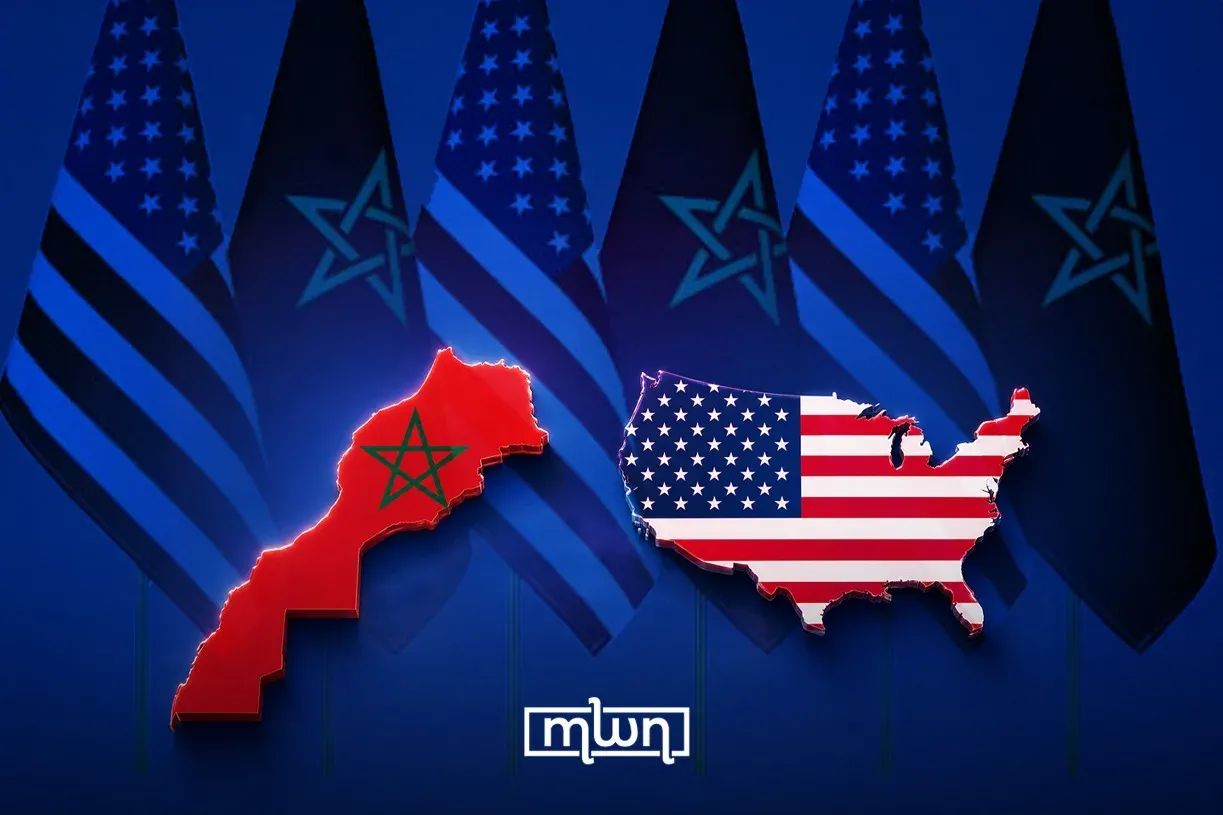
Morocco Day has unveiled an ambitious new initiative aimed at fortifying the cultural, educational, business, and economic connections between the United States and Morocco. This effort will be realized through an extensive network of partnerships under Sister Cities International, which seeks to build meaningful relationships across communities. Associated with the Moroccan American Network based in Alexandria, Virginia, Morocco Day will collaborate closely with Boubker Mazoz, the founder and president of the IDMAJ Foundation for Development, who also serves as the country representative for Sister Cities International in Morocco.
The first step in this initiative will involve enhancing awareness and engagement with existing US-Morocco sister-city partnerships, starting with the well-established link between Chicago and Casablanca, which has been in place for 45 years. This partnership is focused on facilitating business networking, cultural exchanges, tourism, investment opportunities, education, and innovation between the two vibrant cities.
Celebrating Partnerships and Opportunities
Boubker Mazoz is no stranger to fostering international relationships. He has played a pivotal role in building the IDMAJ neighborhood association and establishing the Sidi Moumen Cultural Center in Casablanca following the tragic suicide bombings in 2003. Additionally, he has long been at the helm of the Casablanca-Chicago Sister Cities partnership, which has enabled numerous exchanges of visits between Moroccan and American youth.
This initiative aligns with Morocco Day's 10th Anniversary Celebration, scheduled for October 31 in Alexandria. The event will highlight not only the existing partnerships but also the emerging connections between the US and Morocco. Noteworthy partnerships include those between Washington, D.C. and Rabat; Alexandria and Salé; Chicago and Casablanca; Tacoma and El Jadida; Council Bluffs and El Hajeb; Somerville and Tiznit; Scottsdale and Marrakech; Miami and Agadir; and the Bronx, New York and Sidi Moumen in Casablanca.
According to Morocco Day founder Mohamed Elhajjam, this initiative extends the platform's original mission to create “lasting bridges” between the two nations. Elhajjam emphasized the importance of the collaboration with Mazoz, the IDMAJ Foundation, and Sister Cities International as a means to elevate the profile of the Chicago-Casablanca partnership on its 45th anniversary. He highlighted the “strong connections” that tie these two communities together through various avenues including business, culture, education, and public diplomacy.
The upcoming October gathering is poised to attract a diverse group of stakeholders, including government officials, business leaders, entrepreneurs, representatives from nonprofit organizations, diplomats, and community leaders from both countries. The organizers anticipate that this event will serve as a catalyst for new partnerships and economic opportunities, particularly in light of Morocco's role as a co-host for the 2030 FIFA World Cup alongside Spain and Portugal. Morocco Day has extended invitations to organizations, businesses, educational institutions, and civic leaders interested in participating in the sister-city agenda.
This initiative is built upon one of the oldest diplomatic relationships in American history. Morocco was the first nation to recognize US independence in 1777, under Sultan Mohammed ben Abdallah, who graciously opened Moroccan ports to American vessels. Furthermore, the two nations formalized their relationship through the Treaty of Peace and Friendship in 1786, which the US State Department recognizes as the longest uninterrupted relationship in American diplomatic history. Morocco also gifted Washington the Tangier American Legation, which stands as America's only National Historic Site outside its borders.
These historical connections provide a robust foundation for the sister-city model, which is central to the daily exchanges between Moroccan and American communities. Morocco Day's latest initiative aspires to weave these individual partnerships into a broader network, setting the stage for stronger ties as both nations look toward 2030.
As reported by moroccoworldnews.com.