
Unexpected Results in Morocco's Legislative Elections
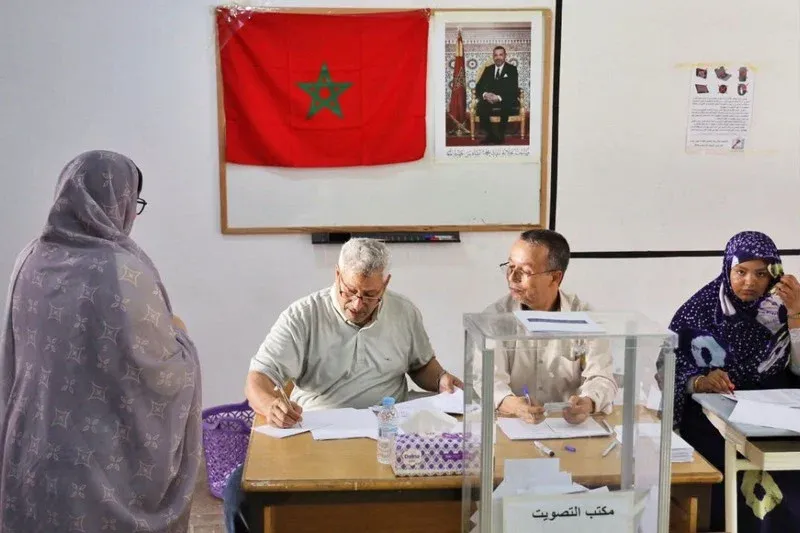
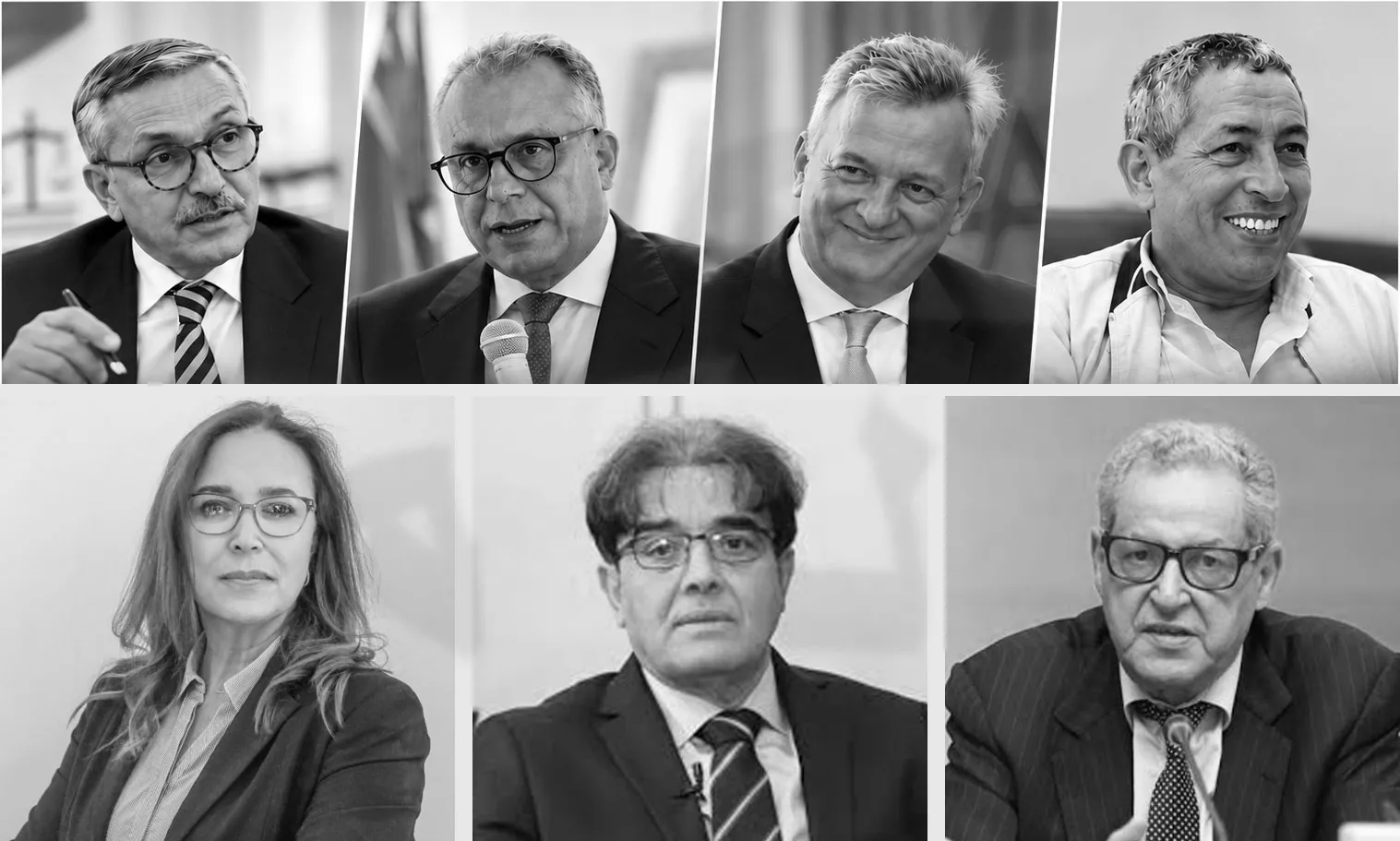
The recent legislative elections in Morocco, held on September 23, brought unforeseen surprises for various political figures, ranging from former ministers to seasoned party leaders and parliamentarians. Many of these individuals found themselves outside the House of Representatives, despite having extensive experience in elections, government, and party work. This election has seen a group of notable losers emerge, quickly dubbed the "displaced" by observers, a colloquial expression referring to candidates overthrown by the ballot boxes. Among those affected are names that have long been integral to the Moroccan political and parliamentary landscape.
Veteran Politicians Face Defeat
One of the most emblematic outcomes was the defeat of Mohand Laenser, the former leader of the Popular Movement and one of Morocco's longest-serving politicians. His fall in the Boulemane constituency is particularly symbolic, given his longstanding association with the Popular Movement and his roles in various governmental and parliamentary positions. Laenser, now nearing eighty years of age and one of the oldest candidates in the 2026 elections, attempted to make a comeback in his traditional stronghold, but the results did not yield a seat in the House of Representatives this time. His defeat carries a significant weight, considering his history of winning in previous elections, casting doubt on whether this marks a dismal end to his long political career.
Another notable figure who failed to secure a parliamentary seat is Karim Zidane, the former Minister of Investment, who contested the elections under the banner of the National Rally of Independents in the Youssoufia constituency, far from his traditional local ties. According to Moroccan media reports, Zidane's candidacy in Youssoufia was part of party strategies that relied on the local presence of the National Rally of Independents and its management of several municipal councils in the area. However, the ballot boxes did not favor him, rendering him one of the most prominent members of the previous government to fall short in the legislative elections.
In Rabat, Abdelkarim Benatiq, a former minister and leader within the Socialist Union of Popular Forces, also failed to secure a seat in the Mohit constituency, despite his vigorous campaign in a district marked by intense competition among several parties and candidates. Benatiq had made a strong return to the political and organizational forefront in the lead-up to the elections, but this renewed presence did not translate into a parliamentary seat, adding his name to the list of experienced political figures who exited the September 23 race without representation.
Fes also witnessed a surprising outcome as Ilar Al-Amraoui, the former head of the parliamentary group of the Independence Party, lost his seat in the Southern Fes constituency. This result is particularly striking in a city that holds significant historical importance in the electoral history of the Independence Party, making Al-Amraoui's loss not just a local candidate's defeat but a blow to one of the party's prominent figures within the legislative institution during the previous term.
Similarly, Abdelhadi Khairat, a former parliamentarian and leader within the Socialist Union, faced an unsuccessful return to the electoral arena after years away from political life. Competing in the 2026 elections under the banner of the Progress and Socialism Party in Settat and Berrechid, Khairat was unable to convert his prior political capital and local presence into a parliamentary seat, marking a disappointing return to the ballot boxes.
The losses extended even to the secretaries-general of smaller parties, with Mostafa Benali, the secretary-general of the Democratic Forces Front, failing to win a seat in the Sidi Slimane constituency, despite leading his party's list and focusing his campaign on social issues, purchasing power, and local development. In the Khmissat district, Ahmed Belghazi, the secretary-general of the Shura and Independence Party, also could not secure a seat in the House of Representatives, resulting in two party leaders leaving the electoral process without personal representation in the legislative body.
Another notable loss that sparked discussion among observers was that of Fatima Tamani, a former parliamentarian representing the Democratic Left Federation, who was unable to return to the House of Representatives. Tamani was known during her previous term for her parliamentary interventions and opposition to the government, leading many of her supporters to consider her absence a significant loss for dissenting voices within parliament—a sentiment tied more to personal opinions than to the electoral outcome itself.
The 2026 elections have served as a poignant reminder that a candidate's political history may earn them recognition at the start of a campaign, but it does not guarantee them a seat by the end of it. The cases of Laenser, Khairat, and Benatiq, coupled with the fall of a former minister and a parliamentary group leader, underscore this unyielding electoral reality.
As reported by lakome2.com.