
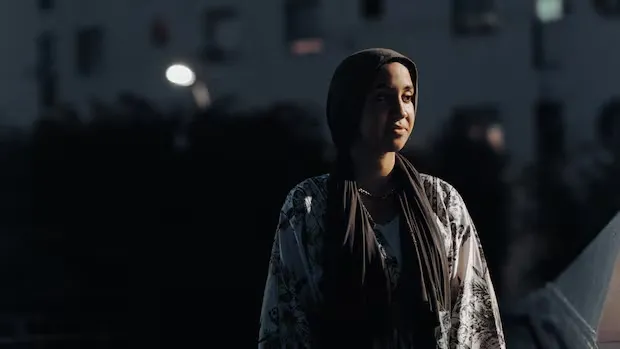

Seventeen-year-old Ikram recently shared her plight with CBC, stating, "I'm back on the street." Her brief experience of relief in Ceuta, a Spanish enclave, was short-lived. After enduring nearly a month of homelessness, which included nights spent in a forest, an abandoned bathhouse, and on the streets, she found solace with a local family who took her in for three days. However, when their need for help dwindled, she was once again left to fend for herself. Ikram left her hometown of Fnideq, Morocco, at the end of July amidst a mass migration surge where approximately 80,000 individuals journeyed northward, seeking a potential route to Europe. For many, including Ikram, Ceuta symbolizes a gateway to a better life, away from the hardships they face in Morocco, where her father struggles to make ends meet as a tailor.
While many of the migrants who arrived during this surge quickly returned to Morocco, Spanish authorities, including Prime Minister Pedro Sánchez, report that around 5,000 individuals remain in Ceuta. Local estimates suggest that the number could be as high as 9,000 in and around the enclave, which has a population of roughly 80,000. Among those still in Ceuta are hundreds of vulnerable unaccompanied minors, including Ikram. According to Jennifer Zuppiroli, a migration specialist at Save the Children Spain, the Ministry of the Interior has registered 2,500 minors, although the actual number may be much higher, with many still awaiting identification and protection services. Zuppiroli highlights that a significant portion of these minors, many under 13, come from Morocco, and around 700 are girls.
The situation in Ceuta has become increasingly desperate. Ikram recalls her harrowing journey to the enclave, which was not originally planned. After hearing from her mother about the migration attempts, she was persuaded by a friend to join in. The chaos at the border was overwhelming, with individuals attempting to swim around the fencing. Ikram narrowly escaped death during the crossing, aided by a boy who kept her afloat until she reached the shore, where she subsequently fainted. Her brother, Marwan, also attempted to cross but could not withstand the dire conditions and left shortly after arriving.
Despite the challenges, Ikram remains determined to stay in Ceuta, driven by a desire to build a future that could support her family back in Morocco. "I wish to build my future abroad, so I can help my mom and dad," she expressed, acknowledging the weight of their expectations. Conditions for unaccompanied minors like Ikram are dire; many sleep on the streets, experiencing nightly terror as soldiers frequently awaken them, often resorting to violence. Khadija Toufik, a journalist who has reported extensively on the situation, describes the streets of Ceuta as a “war zone” for these vulnerable children.
The humanitarian crisis is compounded by rising tensions, as local residents increasingly stage protests against migrants. Reports of violence against migrants have escalated, with humanitarian organizations like No Name Kitchen documenting numerous incidents involving assaults by law enforcement and local civilians. One migrant, Abdo, recounted being violently forced out of an abandoned hospital by soldiers, resulting in injuries that required medical attention.
While the plight of migrants in Ceuta continues to draw attention, the situation on the ground remains critical with ongoing humanitarian challenges and growing hostility towards those seeking refuge. As Ikram and others navigate this treacherous landscape, their hopes for a better future hang in the balance amid uncertainty and fear.
As reported by cbc.ca.

