
Moroccan Naval Activities Escalate Tensions in Ceuta
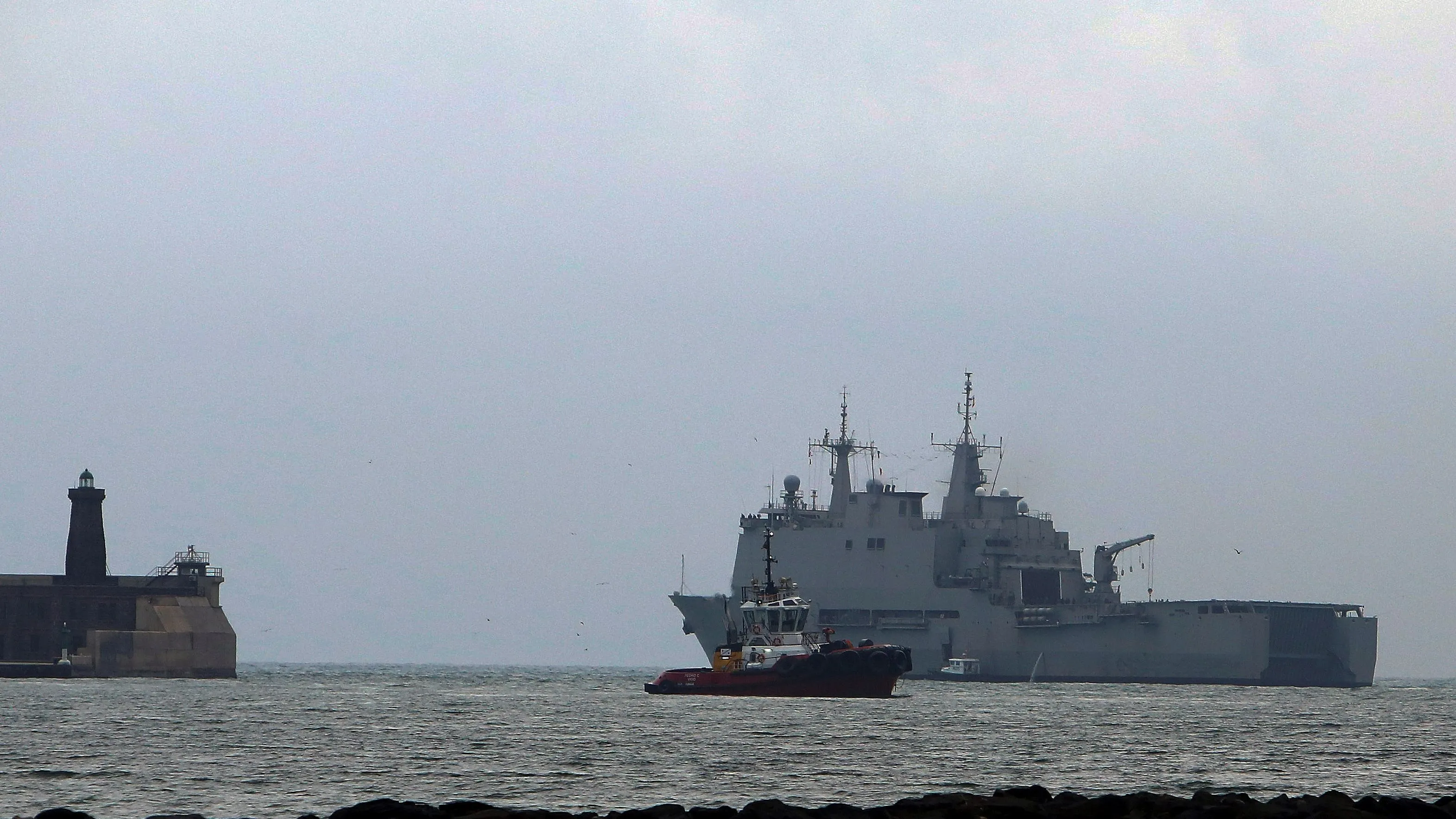
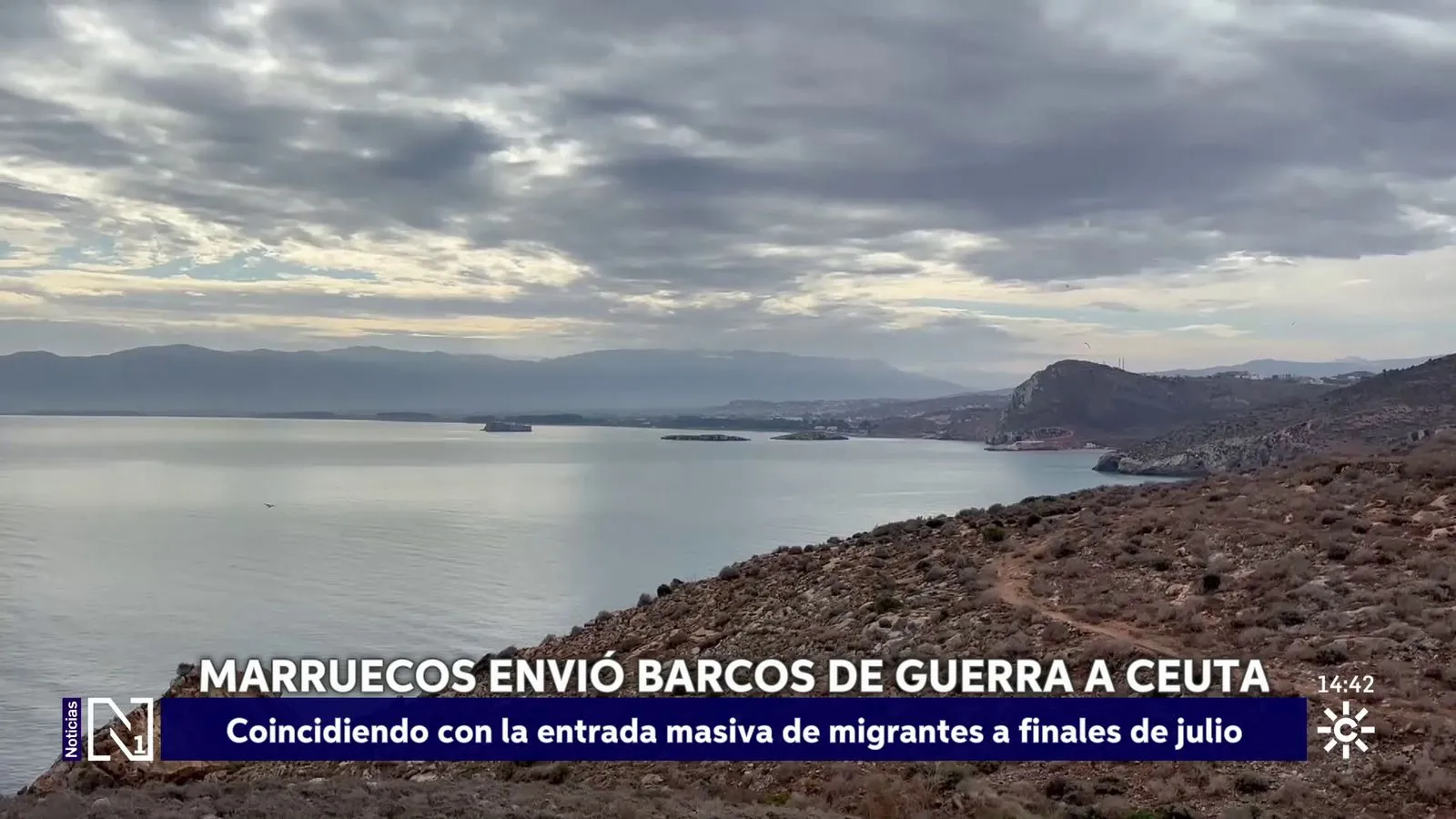
Recently, Morocco dispatched military vessels to the waters off Ceuta during a significant influx of migrants on July 30 and 31. This information, reported by El País and confirmed by informed sources, indicates that the Spanish Navy responded by deploying a frigate to counteract the repeated incursions by the Moroccan military into Spanish territorial waters. Reports suggest that at least one frigate and several patrol boats from the Royal Moroccan Navy navigated these waters without seeking prior authorization, marking a deliberate breach of Spanish sovereignty that is unprecedented in recent times.
The maneuvers conducted by the Moroccan navy nearly resulted in a collision between military vessels from both nations. It was only after the Spanish Navy reinforced its presence in the area and following high-level negotiations facilitated by the Ministry of Defense that the Moroccan Navy ceased its aggressive posture. This naval incursion heightened bilateral tensions significantly, as it differed from previous incidents along the land border, which involved unarmed civilians. Instead, this situation involved military vessels operating under superior orders from Morocco.
Royal Visit to Ceuta and Melilla
In a related development, the Spanish government reported that over half of the 600 individuals who were evacuated from the Guano esplanade have voluntarily returned to Morocco. This site was the last uncontrolled camp remaining in the city following a massive migrant entry, although the government delegate in Ceuta acknowledged that there are still individuals in other locations. Meanwhile, the Spanish monarchy is set to embark on a historic visit to Ceuta and Melilla on Tuesday, immediately following the National Day celebrations, to express solidarity and support for the residents of Ceuta in light of what King Felipe VI described as an unacceptable violation of a Spanish and European border. This marks the first visit by a head of state to these autonomous cities in 19 years, with the last being by King Juan Carlos I and Queen Sofía in 2007. Notably, the current royal visit will include an overnight stay in Ceuta, a first in Spain's democratic history.
The announcement of this royal visit has not gone unnoticed, as Moroccan King Mohammed VI criticized the "irresponsible statements" made by certain political and media sectors in Spain regarding the migration issue. He emphasized that any partnership must be sovereign and not subjected to pressure, threats, or blackmail. It has been two and a half months since the mass entry of approximately 80,000 migrants into Ceuta, an event that drew significant concern and indignation from King Felipe VI, who has closely monitored the situation and sought to convey the Crown's support and affection for the people of Ceuta.
Additionally, King Felipe expressed his desire to visit the autonomous cities, a plan that has been in the works between the Royal House and the Moncloa Palace since before the migration crisis unfolded. The official announcement for the visit was made on October 1, with the royal couple set to host representatives from Ceuta and Melilla at a reception in the Royal Palace on the eve of the National Day celebrations. Following their stay in Ceuta, the royals will travel to Melilla on October 13.
As reported by canalsur.es.