The relationship between the United States and Spain is currently facing one of its most challenging periods in recent memory. This strain has emerged prominently after Spanish Prime Minister Pedro Sánchez refused to allow the U.S. to utilize its military bases in Spain for military operations against Iran. This decision has led to a significant rift, affecting various areas of bilateral cooperation.
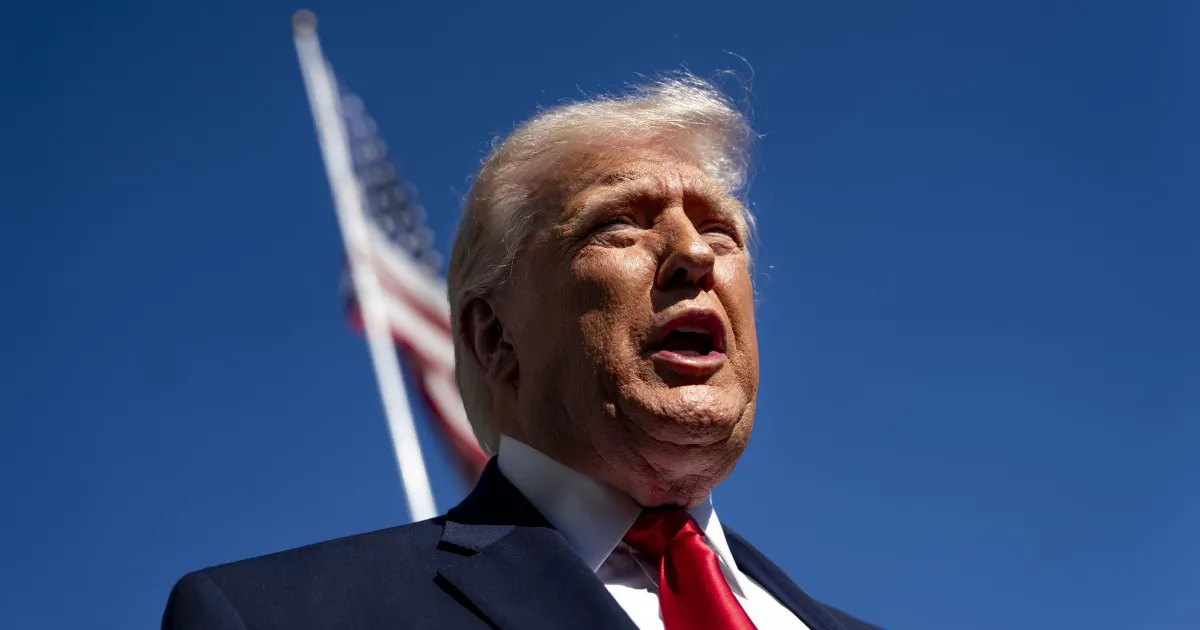
President Donald Trump has expressed his frustration with Sánchez's lack of support, resulting in a complete national backlash against anything originating from Spain. Recently, Trump labeled Spain as a "terrible ally," and this fallout has extended to commercial ties, with the U.S. imposing a temporary 10% tariff on most imports from Spain, including crucial agro-food products such as olive oil and wine, which are vital to key sectors in the Spanish economy.
This setback for Spain occurs at a time when Morocco, which has implemented a robust strategy over the past decade to emerge as a global agricultural powerhouse, is forming closer ties with the United States. The strengthening of relations between the U.S. and Morocco has been highlighted by the latter's inclusion in the list of priority countries under the U.S. Department of Agriculture's Food for Progress program.
According to the Department of Agriculture, "For fiscal year 2026, Food for Progress plans to allocate up to $226 million for new cooperative agreements for five-year projects, with budgets ranging from $28 to $35 million each. Priority countries for Food for Progress include Bangladesh, Bolivia, Ecuador, Morocco, the Philippines, Sri Lanka, and Thailand." The geographic position of Morocco, coupled with its productive capacity across various crops supported by preferential agreements and more lenient labor and phytosanitary regulations, presents an opportunity that the North African nation is keen to exploit.
This rapprochement has solidified in recent months, as the U.S. has demonstrated more than mere goodwill towards Morocco, including expressing support for the kingdom's sovereignty over Western Sahara, a territory occupied since 1975. This recognition occurred in September 2025, shortly followed by the release of an investment climate report highlighting the key assets and opportunities that position Morocco as a "strategic regional hub for business and industry." The U.S. diplomatic report elaborates, "Situated at the crossroads of Europe, Sub-Saharan Africa, and the Middle East, Morocco positions itself as a regional center for business and industry, leveraging its strategic geographic location, political stability, and infrastructure."
The report encourages companies to invest in Western Sahara, a contentious territory for Spanish and European producers, as Morocco utilizes Sahrawi lands to increase its production at low costs. European agricultural stakeholders have long criticized these practices, which are often masked under Moroccan labeling to benefit from preferential agreements with the EU. However, the European Commission has altered its dealings with Morocco to circumvent a ruling from the Court of Justice of the European Union (CJEU) that deemed such practices illegal.
As reported by eldebate.com.