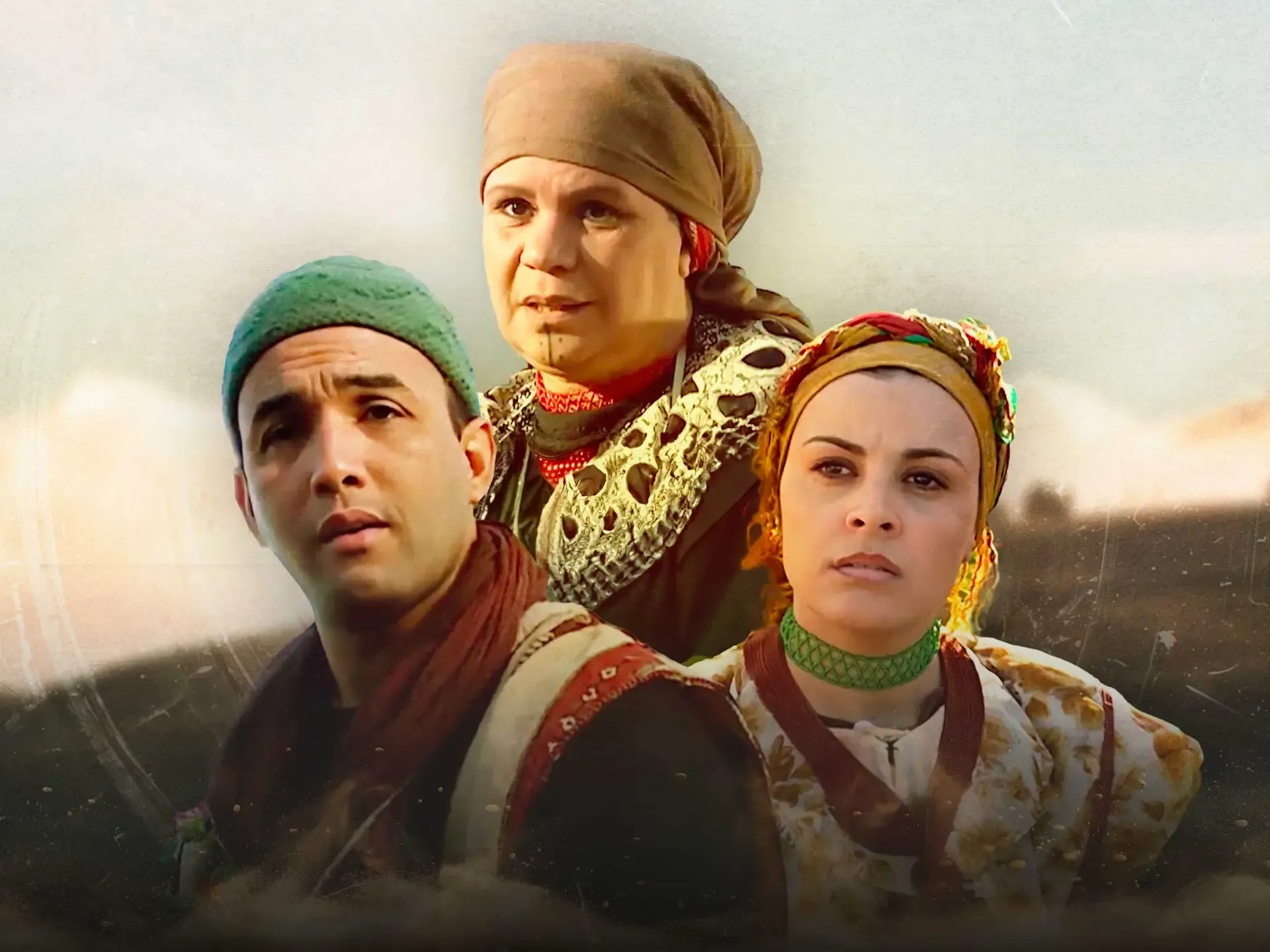
The Current State of Moroccan Television and Historical Drama
The Moroccan artistic scene is currently grappling with a significant lack of historical drama, leaving audiences yearning for productions that can create an aesthetic connection between the past and the present. This absence reflects a broader artistic drought that has affected the small screen, hindering its ability to generate innovative visual projects that could foster a new artistic horizon within television series. Given Morocco's rich historical tapestry, marked by archaeological and architectural landmarks, viewers are deprived of representations that showcase the diverse civilizations that have shaped the country throughout its long history.
This vibrant history deserves to be visually reflected in Ramadan drama productions. However, the scarcity of screenwriters with robust dramatic projects and the preference of production companies for daily entertainment formats have relegated historical drama to the background, overshadowed by various other dramatic forms. A review of Moroccan television history reveals attempts at dramatizing history and echoing collective memory, yet it is challenging to label these productions as truly "historical" when compared to high-quality Turkish, Syrian, or French series. The absence of specialized critics in Moroccan television drama allows erroneous perceptions to circulate, treated as truths that require rectification.
Understanding the Underlying Reasons for the Absence
The questions surrounding the lack of historical drama in Morocco provoke deep inquiries into the actual reasons for this marginalization, which results in television screens recycling topics without any significant renewal. Is it the lack of financial resources that keeps production houses from investing in historical dramas? Or is it the fragility of the creative structure that prevents many screenwriters from crafting historical series, given the meticulous artistic approach and the extensive exploration of Moroccan civilization’s history that such projects demand? These questions resurface year after year, especially during Ramadan, when viewers encounter an abundance of dramas that engage with contemporary realities in various visual styles, all while historical series, which celebrate Moroccan memory, are alarmingly absent.
Despite the lack of historical drama, several Moroccan actors have successfully portrayed significant historical roles in Arabic historical series, such as actor Rabi’ Al-Qati in the Libyan series "The Two Leaders" (2020) directed by Osama Rizk. Al-Qati’s portrayal of Suleiman Pasha Al-Barouni was particularly challenging, blending psychological, social, cognitive, and political aspects into his character, earning him the "Septimus" award for Best Actor. In this context, actors are not merely required to play the role of a resistance fighter or leader; they must delve into the character’s historical sources to deliver an accurate portrayal, which necessitates extensive documentation and research, leading many screenwriters and directors to shy away from historical drama due to the time investment involved.
Consequently, any haste in writing could result in glaring inconsistencies within the dramatic narrative, particularly concerning significant historical events and occurrences that have impacted the country’s political landscape.
For further details on this topic, as reported by aljazeera.net.