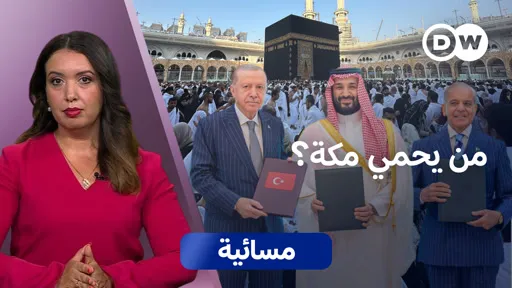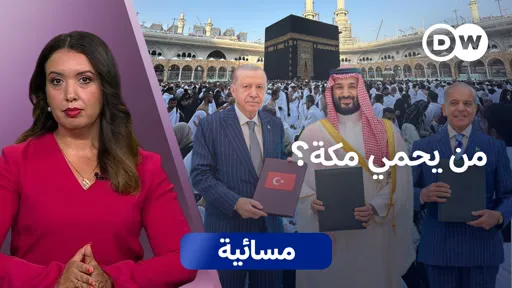

In the midst of conflicting reports surrounding a recent attempt to target Mecca with a drone, the implications of the so-called "Mecca Agreement" are coming to the forefront of discussions. While Saudi Arabian officials have made public statements regarding this incident, Houthi representatives have outright denied any involvement. This situation raises critical questions about the effectiveness and potential activation of the Mecca Agreement, a pivotal diplomatic effort aimed at ensuring peace and stability in the region.
As the conversation unfolds, political analyst Dr. Ahmed Al-Shahri, based in Riyadh, and Professor Fawaz Gerges, an expert in international relations from London, weigh in on the ramifications of these events. Their insights offer a deeper understanding of the geopolitical dynamics at play, particularly in the context of the ongoing tensions between Saudi Arabia and Houthi forces in Yemen. This incident is being viewed as a significant test of the Mecca Agreement's resilience and its capacity to address the underlying issues that continue to fuel conflict in the area.
The Mecca Agreement, which aims to foster cooperation and dialogue among various factions within the region, is now under scrutiny. Observers and analysts are questioning whether it can effectively mediate such crises, particularly when faced with provocations like the recent drone incident. The outcome of this situation may set a precedent for future engagements and the overall stability of the region.
For those interested in following this developing story, further updates and analyses can be found at As reported by dw.com.