Senegal's Triumph and Morocco's Controversial Reversal
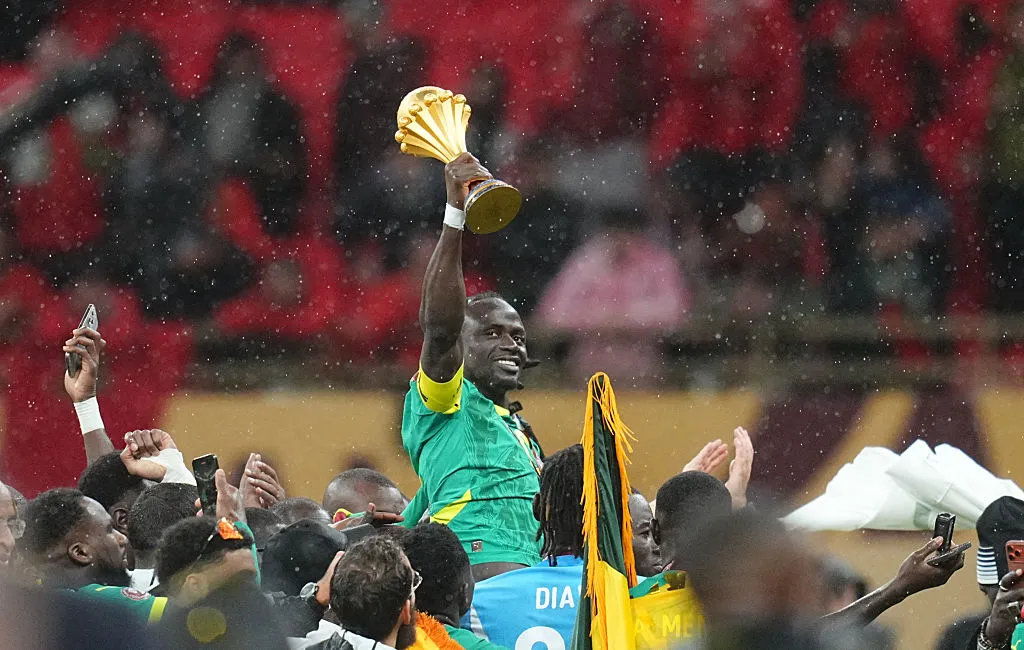
On a historic night at the Prince Moulay Abdallah Stadium, where 68,000 fans cheered and millions tuned in globally, Senegal emerged victorious over Morocco with a narrow 1-0 win to clinch the Africa Cup of Nations (AFCON) title, marking their second championship triumph on January 18, 2026. The dramatic final highlighted not only the talents of the Senegalese squad, known as the Lions of Teranga, but also the intense rivalry between the two West African nations. The celebrations that ensued in Senegal were filled with jubilation, as the players were greeted with parades, monetary rewards amounting to $134,892, and land grants from President Bassirou Diomaye Faye. The atmosphere was electric, and the nation reveled in their hard-earned victory, which seemed to cement Senegal’s place in African football history.
However, what followed just weeks later would shake the foundations of African football and leave fans, players, and officials in disbelief. On March 18, 2026, the Confederation of African Football (CAF) announced a shocking decision: they overturned the match result and awarded the trophy to Morocco. This unexpected turn of events has sparked outrage among Senegalese supporters and cast a shadow over the integrity of the sport on the continent.
Controversial Penalty and Aftermath
The drama of the final game had reached its zenith in the 98th minute when referee Jean-Jacques Ndala controversially awarded Morocco a penalty, a moment that could have altered the course of the match had it been converted. Senegal’s players reacted vehemently against the decision, which led to a chaotic scene on the pitch. Amidst the turmoil, captain Sadio Mané ultimately led his team back onto the field after a temporary walk-off, showcasing their determination to complete the match. After extra time, Senegal secured their victory with a goal from midfielder Pape Gueye, but the contentious penalty decision and the subsequent protests led to significant implications.
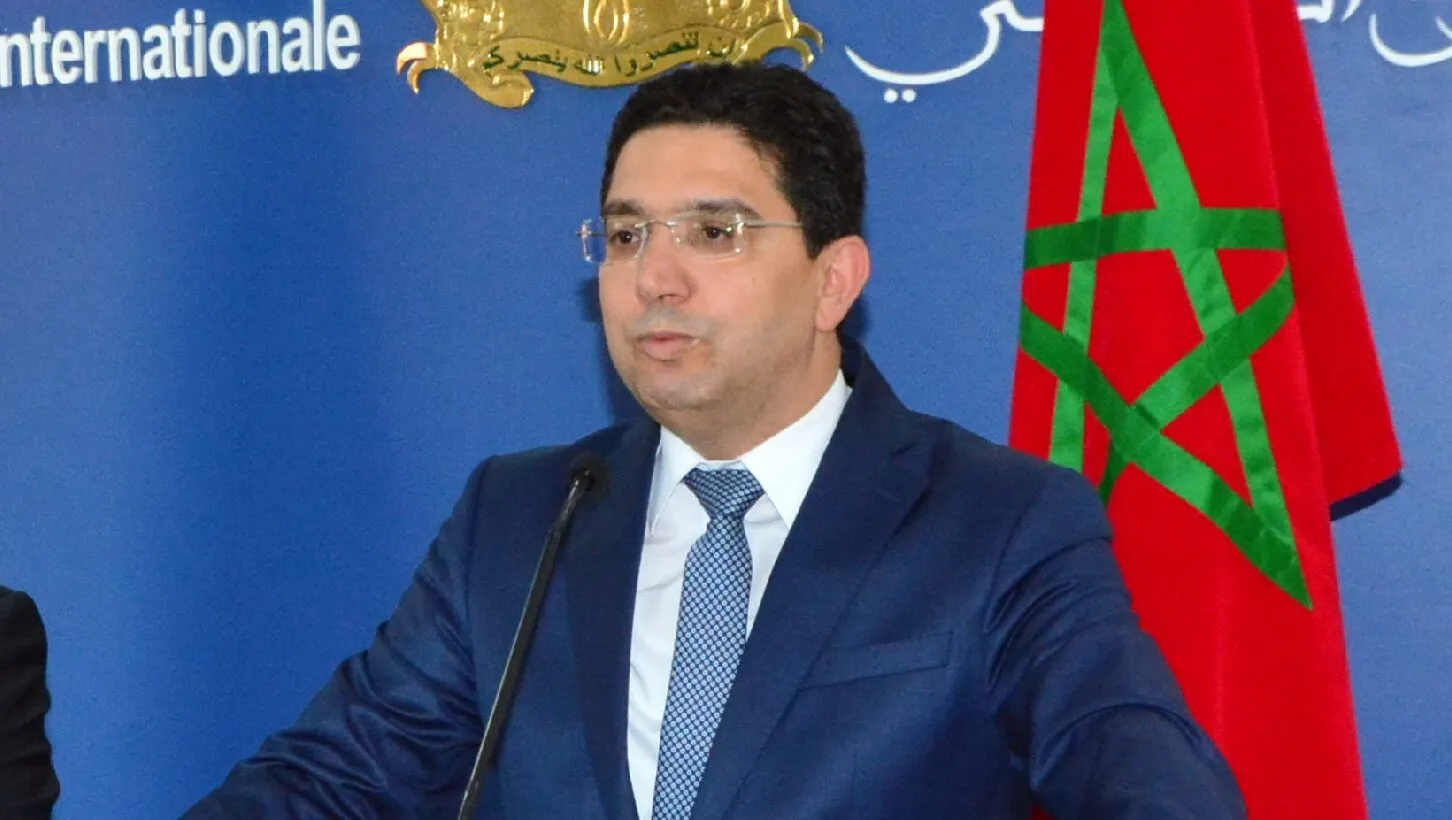
The day after the final, Morocco lodged a formal complaint to CAF, asserting that Senegal’s actions constituted a breach of competition regulations. Initially, the disciplinary board sided with Senegal, imposing fines and bans on both teams but ultimately rejecting Morocco’s appeal. However, on March 17, 2026, the appeals board reversed the decision, declaring Senegal's actions justified forfeiture, thereby stripping them of their title and awarding it to Morocco. This decision ignited a firestorm of international criticism, with various media outlets labeling it a “global scandal.” In contrast, Moroccan outlets applauded CAF for upholding the integrity of the competition.
The fallout from this decision has left African football in a precarious position. While Morocco may hold the title officially, the legitimacy of their championship is being fiercely contested by Senegal, who have since appealed to the Court of Arbitration for Sport (CAS) and have refused to return the trophy. The implications of this legal battle extend beyond the teams themselves, potentially altering the landscape of African football governance and integrity. As both nations prepare for the next chapter in their football history, the echoes of this controversy will resonate for years to come.
As reported by ebony.com.