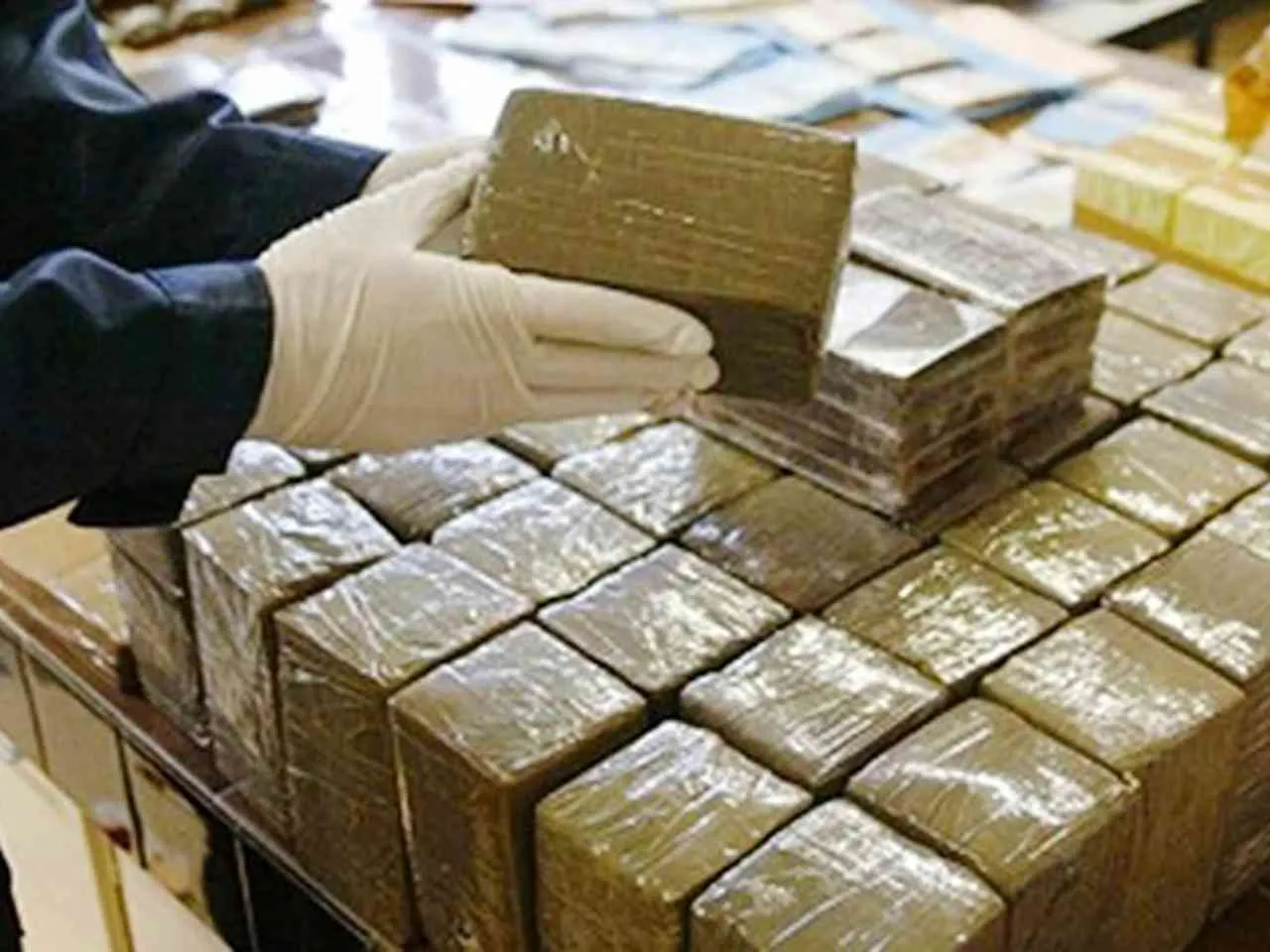

The recent surge in the production of synthetic drugs in Morocco, alongside the ongoing cultivation of hashish, reveals a more dangerous facet of organized crime that is allegedly protected by the Moroccan authorities. This alarming trend is marked by the emergence of clandestine laboratories dedicated to producing potent psychoactive substances, as well as the transformation of pharmaceutical drugs into illicit narcotics. Such developments have led to an increase in the trafficking of these harmful substances to neighboring countries, posing severe consequences for their populations, particularly the youth.
Key Insights into the Drug Manufacturing Crisis
1. **Cocaine Laboratory Discovery**: An international research network, the Global Initiative Against Transnational Organized Crime, reported the existence of a cocaine conversion laboratory in the city of Oujda since 2016. This facility, managed by chemists, was linked to the processing of 250 kilograms of refined cocaine in that same year.
2. **Rise of 'Bofa'**: The substance known as 'Bofa,' or 'poor man's cocaine,' emerged in Morocco in 2020 and has since seen a notable expansion. It is produced from cocaine residues mixed with chemicals and additional drugs that significantly impair the mental and physical health of users.
3. **'Karkubi' Drug Network**: In January 2022, Spanish police dismantled an international criminal network involved in the trafficking of pharmaceutical drugs used in 'Karkubi' production within Morocco. They seized 200,000 psychoactive pills in Spain, with the total confiscated during the operation exceeding 500,000 pills, indicating a rapid increase in production volumes.
4. **Spanish Pharmaceuticals**: According to RTVE, a Spanish broadcasting authority, 'Karkubi' is manufactured in Morocco using imported medications, particularly from Spain, including drugs related to epilepsy treatment, which are then converted into dangerous narcotics.
5. **Rivotril Usage**: A report by the Spanish newspaper 'El País' in 2024 highlighted that Spain sells approximately 4 million boxes of Rivotril annually, a significant portion of which ends up in illegal channels before being utilized to produce 'Karkubi' in Morocco.
6. **Profits Exceeding €100 Million**: Estimates from the Spanish police, as reported by 'El País,' indicate that organized Moroccan criminal groups are generating profits exceeding €100 million annually from this illicit activity, with sources suggesting that the revenues from this destructive criminal enterprise are rapidly multiplying.
7. **June 2025 Operation**: In June 2025, Spanish police dismantled a network operating between Morocco and Spain, seizing a massive quantity of potent hallucinogens, specifically clonazepam pills, along with 22 kilograms of hashish.
8. **Geographical Spread**: The preparation, storage, and promotion of these drugs have been linked to various Moroccan cities, including Casablanca, Rabat, Fes, Tangier, Settat, and Khouribga, as well as the surrounding areas of Dar Bouazza, Harhoura, Mediouna, Rahma, and Bouskoura.
9. **Transnational Drug System**: These findings underscore a troubling transition from mere drug trafficking to a comprehensive system that includes cocaine processing, psychoactive substance manufacturing, pharmaceutical conversion into narcotics, followed by their storage, promotion, and transnational trafficking through extensive networks.
As reported by aps.dz.