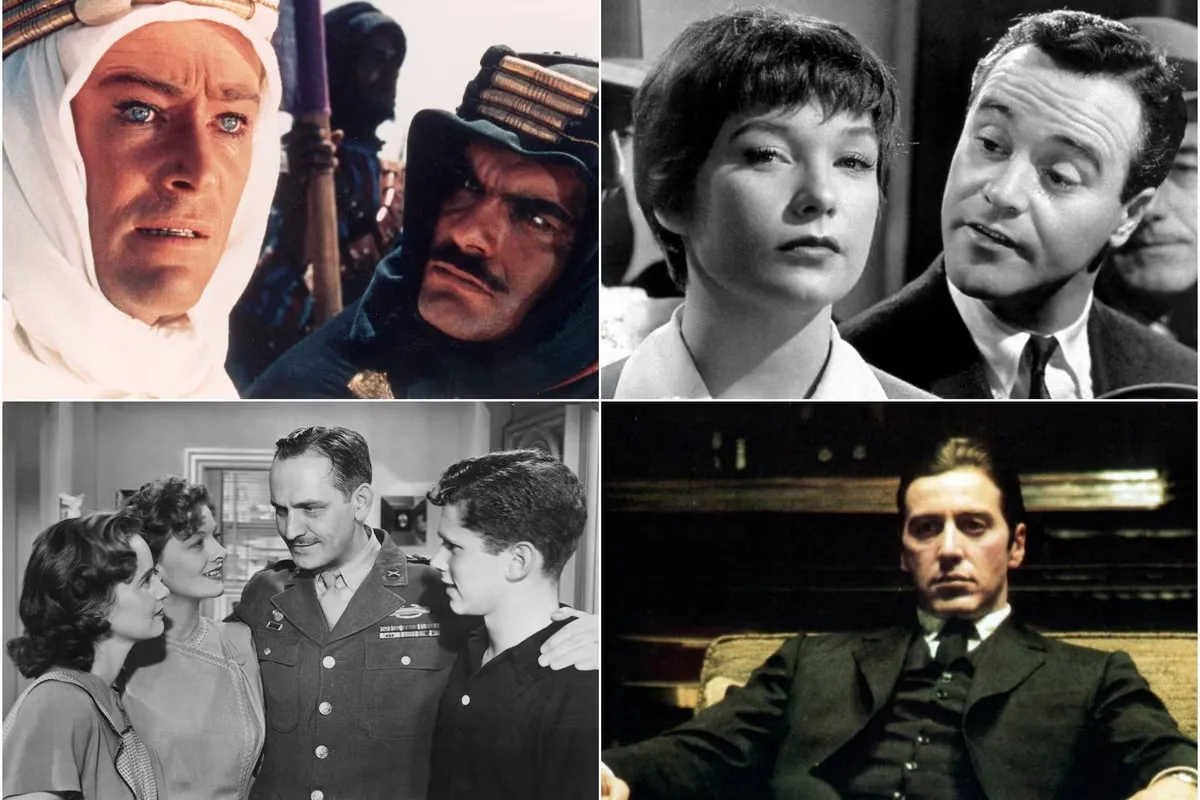

A Look Back at Oscar's Finest Films
The prestigious Academy Awards have long been a hallmark of cinematic excellence, with the Best Picture category serving as the ultimate recognition for outstanding films. As we delve into the storied history of these winners, it becomes apparent that many of the films honored over the years have not only stood the test of time but continue to resonate with audiences today. From the very first winner, William Wellman's 'Wings' in 1927, to contemporary triumphs, the list of Best Picture winners is a treasure trove for any film enthusiast. Classic titles such as 'Cimarron' and 'Broadway Melody' are readily available on modern platforms, allowing new generations to appreciate these cinematic gems. However, it's worth noting that the Academy's choices often overlook foreign language films and comedies, demonstrating a preference for certain genres while leaving others in the shadows.
One of the most compelling aspects of the Oscars is the noticeable divide between critical acclaim and box office success. While the Best Picture Oscar continues to be a reliable indicator of a film's lasting impact, it does not always correlate with commercial viability. For instance, while 'The Shape of Water' triumphed in 2018, genre films like science fiction and martial arts continue to find themselves absent from the coveted list. This dichotomy raises questions about the evolving nature of cinema and the Academy's role in shaping perceptions of what constitutes 'worthy' film art.
Examining Iconic Best Picture Winners
Among the most profound narratives celebrated by the Academy, William Wyler's film about veterans returning from war remains a poignant exploration of the struggles faced by those who served. This film, representing a time when 'It’s a Wonderful Life' was also in contention, delves deep into the emotional turmoil of soldiers readjusting to civilian life, effectively capturing the complexity of their experiences and the challenges faced by their families. The artistry of MGM musicals, such as those featuring Gene Kelly, transcends mere entertainment, showcasing extraordinary choreography and a rich tapestry of color and sound, exemplified by the unforgettable ballet sequence that resonates with audiences even today.
Films like 'Casablanca' solidify their place in cultural history not just for their star-studded cast but also for their exploration of themes like betrayal and wartime politics, making it a timeless classic. Elia Kazan’s 'On the Waterfront' presents a gripping narrative laced with personal and political complexities, featuring Marlon Brando in one of his most memorable performances. In contrast, David Lean’s cinematic masterpiece about T.E. Lawrence challenges perceptions of heroism, offering a layered portrayal of a complex figure in a visually stunning format.
The dialogue in Joseph L. Mankiewicz's drama about ambition and rivalry in the theater is sharp and memorable, marking it as one of the most quotable films in Oscar history. Meanwhile, 'The Godfather Part II' is often heralded as the greatest sequel of all time, matching and even surpassing its predecessor in storytelling and craftsmanship. Clint Eastwood’s 'Unforgiven' redefined the Western genre, presenting a nuanced character study that captivated audiences and critics alike. Finally, Bong Joon Ho’s 'Parasite' broke barriers as the first non-English language film to win Best Picture, illustrating a shift towards inclusivity in the Academy's recognition of cinematic artistry, while also delivering a captivating blend of humor, horror, and social commentary.
As reported by independent.co.uk.