
A Unique Architectural Challenge
Airport terminals are distinct entities within the realm of modern architecture, tasked with fulfilling a multitude of functions simultaneously. These structures are not only responsible for efficiently processing thousands of passengers but also for coordinating complex security measures and logistical frameworks. Moreover, they must be designed with foresight, accommodating future growth while remaining operational around the clock. Each architectural decision made within these terminals significantly impacts the overall efficiency, safety, and comfort of the traveler experience. For many, the airport terminal serves as the initial point of contact with a country, shaping their first impressions long before they explore the streets, monuments, or natural wonders that define the destination. As such, these terminals are evolving into architectural ambassadors, tasked with conveying the identity, culture, and aspirations of the nations they serve. However, the challenge lies in harmonizing these multifaceted ambitions with the practical necessities of airport design.
Designing for Movement and Identity
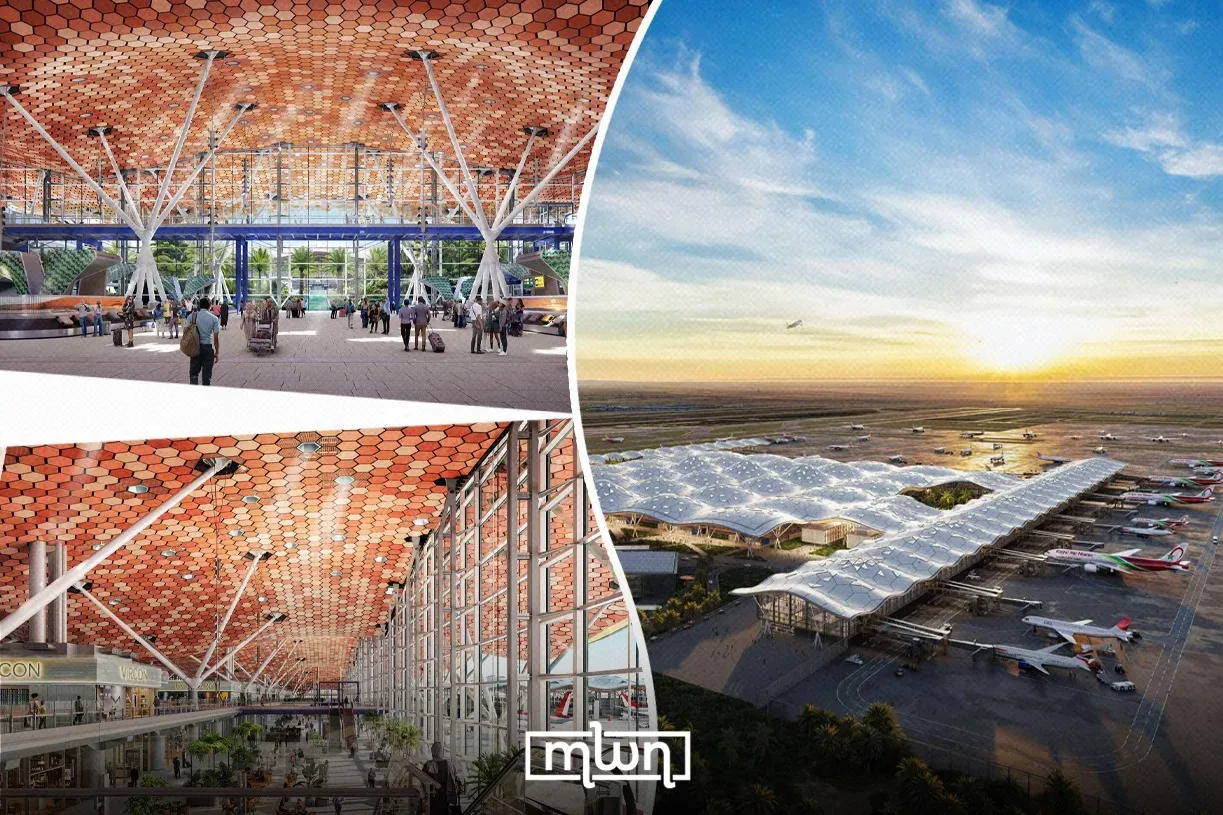
The design of airport terminals is inherently influenced by the need for movement, as passengers navigate through various stages including check-in, security, passport control, retail, waiting areas, boarding gates, baggage claim, and ground transportation. Each of these phases presents potential bottlenecks that can disrupt the passenger experience, prompting airport planners to implement Level of Service (LOS) principles to ensure efficient transit through the terminal. The architects of the new terminal at Mohammed V International Airport, designed by RSHP in partnership with Ala Concept, have responded to these operational demands with an innovative H-shaped configuration. This design strategically distributes capacity through multiple branching arms that connect at a central processing zone, effectively reducing walking distances while maintaining direct access to essential passenger functions. Furthermore, the design considers future growth, allowing for capacity expansion without necessitating a complete overhaul of the terminal's structure. The emphasis on natural daylight, expansive open spaces, and landscaped areas further enhances the psychological comfort of travelers, transforming the efficiency of movement into a more pleasant experience.
As this project unfolds, the architects aim to create a terminal that resonates with Moroccan identity. The design narrative suggests that the roof’s sweeping curves are inspired by the waves of the Atlantic Ocean, complemented by large landscaped oases within the terminal and an ochre-toned soffit crafted in hexagonal patterns reminiscent of bejmat and terracotta zellige—a nod to the rich craftsmanship traditions found in Morocco’s southern provinces. However, a critical question arises: do these architectural references and symbols genuinely foster a sense of place, or do they merely serve as superficial representations? While architecture often employs visual metaphors and cultural motifs, a profound sense of place transcends mere visual associations. The challenge, therefore, is to ensure that these references manifest in a way that shapes the spatial experience. A roof that captures the essence of ocean waves must influence the quality of natural light within the terminal. Landscaped areas should offer moments of respite amidst the bustling environment of air travel, and material choices must enhance the atmosphere and perception of space. Ultimately, the success of the terminal will hinge on its ability to translate cultural symbols into tangible spatial experiences that resonate with travelers on a deeper level.
As reported by moroccoworldnews.com.