
The Diplomatic Tug-of-War for the 2030 World Cup Final
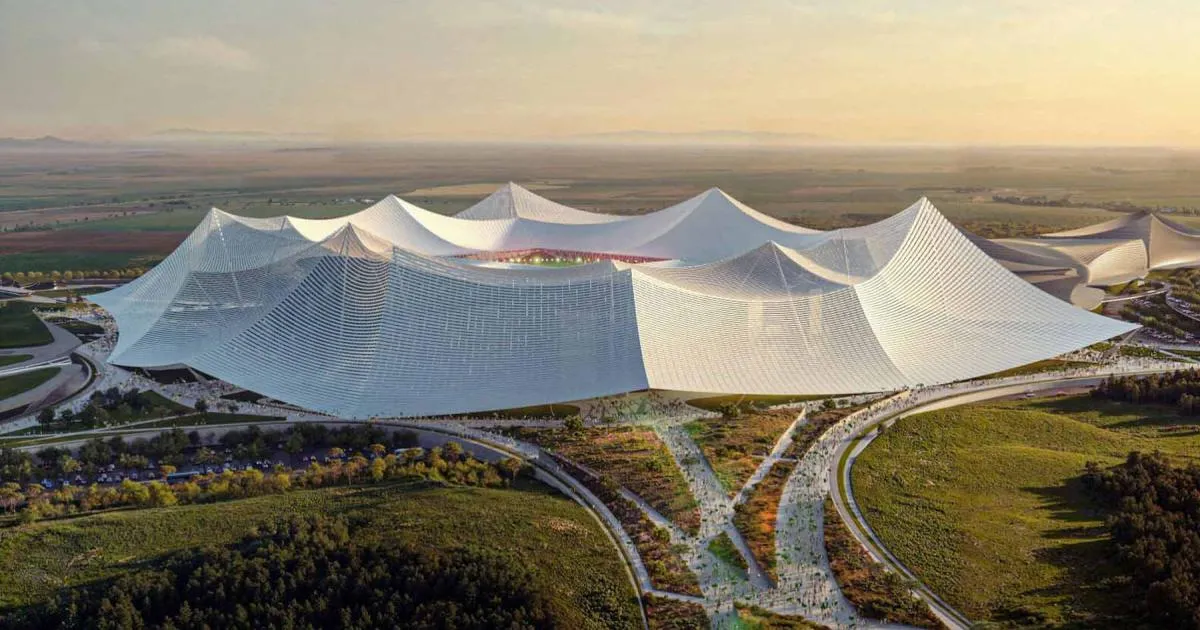
As the world tuned into the thrilling climax of the football season during the World Cup final in New York this past Sunday, the spotlight also fell on the prospective venue for the final match of the 2030 tournament. Morocco, Portugal, and Spain are set to host this prestigious event, yet FIFA has yet to announce the location for the grand finale. Amidst this uncertainty, Spain has firmly declared its intention to host the final, but Morocco is making significant strides with the construction of a state-of-the-art $12 billion stadium near Casablanca that aims to be the venue where the championship will be decided. This has ignited a fierce competition within the sport's governing bodies as they navigate the political landscape surrounding this high-stakes decision.
The Hassan II Stadium is envisioned to become the largest football stadium globally, with an impressive capacity of 115,000 seats slated for completion by the end of next year. However, it faces stiff competition from two prominent Spanish venues: the renowned Estadio Santiago Bernabeu in Madrid, which will boast a seating capacity of 83,000 following extensive renovations, and Barcelona's iconic Camp Nou, which is undergoing its own upgrades to increase its capacity to 105,000, despite facing delays.
Intense Lobbying and Political Maneuvering
The battle for the final's venue has already commenced with Spanish Football Federation President Rafael Louzan leading the charge. In January, he publicly asserted Spain's capability to host the final, leveraging the disarray witnessed during the Africa Cup of Nations in Morocco to bolster his argument. Louzan emphasized Spain's long-standing organizational prowess and declared, "Spain is going to be the one to lead that World Cup 2030 and where the final of the tournament will be played." He further noted that recent incidents of crowd violence and unsportsmanlike behavior during the Africa Cup of Nations could tarnish the image of world football, thus advocating for Spain's candidacy.
In contrast, Morocco's football federation president, Fouzi Lekjaa, has remained relatively silent on the matter, stating on state television that no definitive decisions have been made regarding match allocations and that such choices are determined through consultations between the three host nations and FIFA. However, insiders within African football suggest that Morocco is actively working to position Casablanca as the final venue, indicating that the competition between the three nations is likely to intensify as the event draws closer.
If Casablanca is ultimately chosen as the location for the final, it would mark a historic moment, being only the second time that an African city has hosted the World Cup final, following Johannesburg's hosting in 2010, where Spain captured its first World Cup title. This compelling narrative of diplomatic rivalry and national pride is set to unfold as the date for the tournament approaches, highlighting the intricate interplay between sport and international relations.
As reported by middle-east-online.com.