The Birth of a New Era in Handball
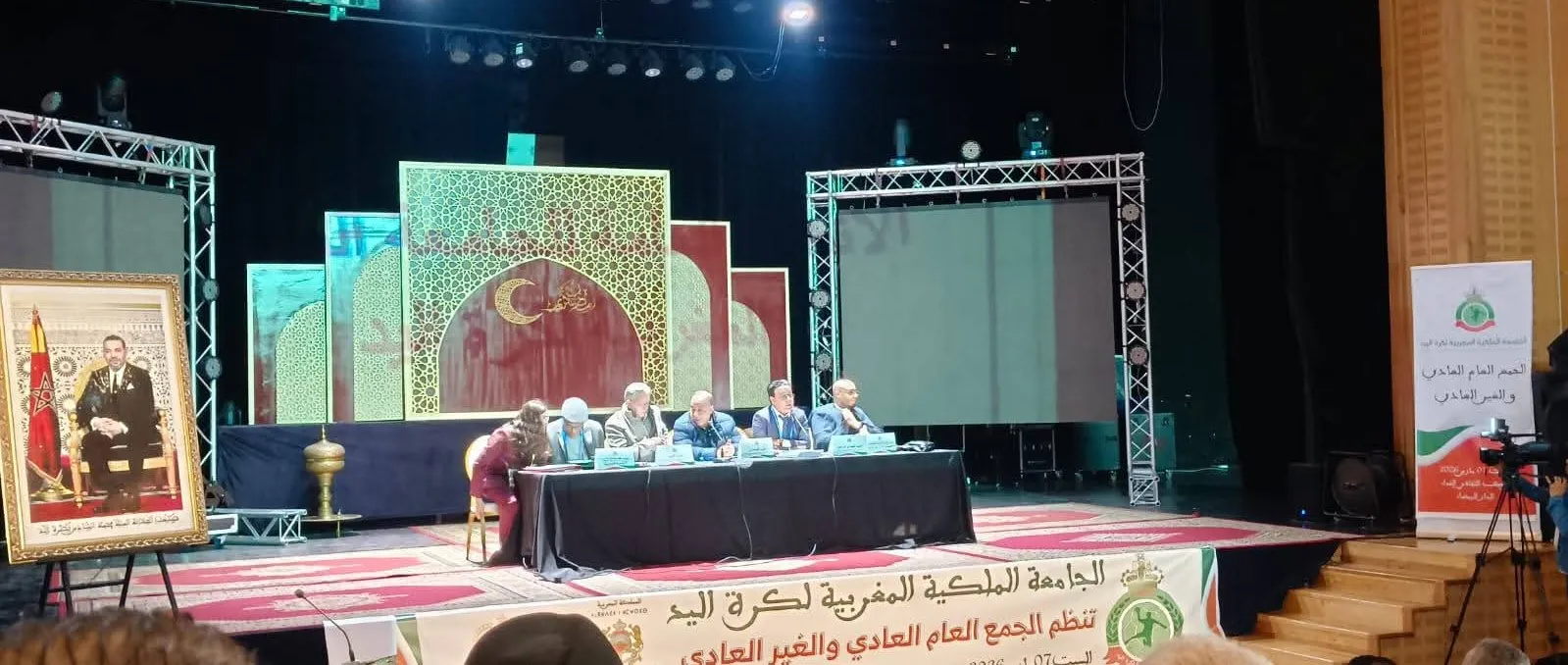
After years of anticipation, the long-awaited establishment of the Drâa-Tafilalet Handball League has finally been realized, rekindling hope for clubs within the region. This pivotal decision was confirmed during the annual general meeting of the Royal Moroccan Handball Federation, which voted to create a distinct league for Drâa-Tafilalet, separating its clubs from the Fès-Meknès League. This organizational shift is seen as a crucial step towards enhancing the development of handball in the area, addressing longstanding issues that have hindered the sport's progression.
Transforming Organizational Challenges
The need for this league arose after the regional division was redrawn in 2015, yet clubs in Drâa-Tafilalet remained administratively linked to the Fès-Meknès League despite the region's administrative autonomy. This disconnect resulted in several challenges that adversely affected local handball, including limited financial support, inadequate technical training, and difficulties in travel for clubs participating in competitions.
Experts in the region's sports scene have observed that this unbalanced administrative connection contributed to a decline in handball dynamics, restricting opportunities for player development and the establishment of new clubs. Many teams struggled with insufficient resources and lacked exposure to competitive training environments, which are essential for nurturing budding talent.
One of the key figures advocating for this change has been Abdelatif Bouakri, President of the Union of Rachidia Handball Club, who successfully communicated the approval of the new league to stakeholders and sports enthusiasts. The Union of Rachidia, a historically significant club founded in the 1970s, has faced numerous challenges over the decades, including financial constraints and the loss of local talent to clubs offering better training conditions.
The establishment of the Drâa-Tafilalet Handball League is anticipated to serve as a turning point for revitalizing the sport in the region. The new league aims to provide an independent organizational framework that caters specifically to the area's unique needs, fostering a more conducive environment for growth.
With the new league in place, local stakeholders expect improvements in training programs for technical staff and the organization of more regular regional championships. Additionally, this initiative should alleviate the burdens of travel that previously hampered club participation in games.
Ultimately, the formation of the Drâa-Tafilalet Handball League marks a significant organizational advancement towards promoting fairness among local clubs. It presents a genuine opportunity to launch a renewed momentum that restores handball's prominence in the region, contingent upon the collaborative efforts of various stakeholders to translate this institutional gain into an effective sports project that benefits the future of handball in Drâa-Tafilalet.
As reported by aljiha8.com.