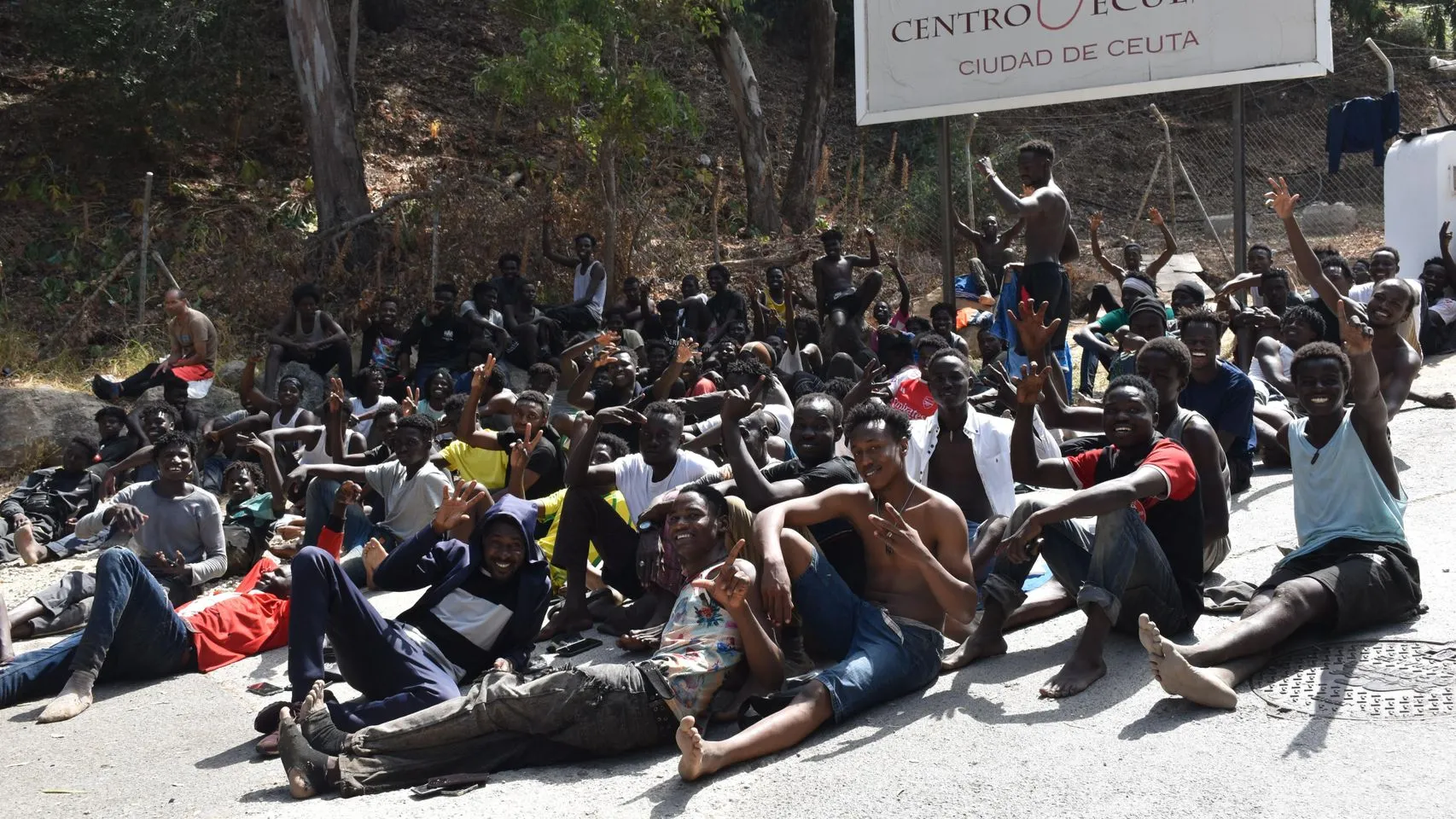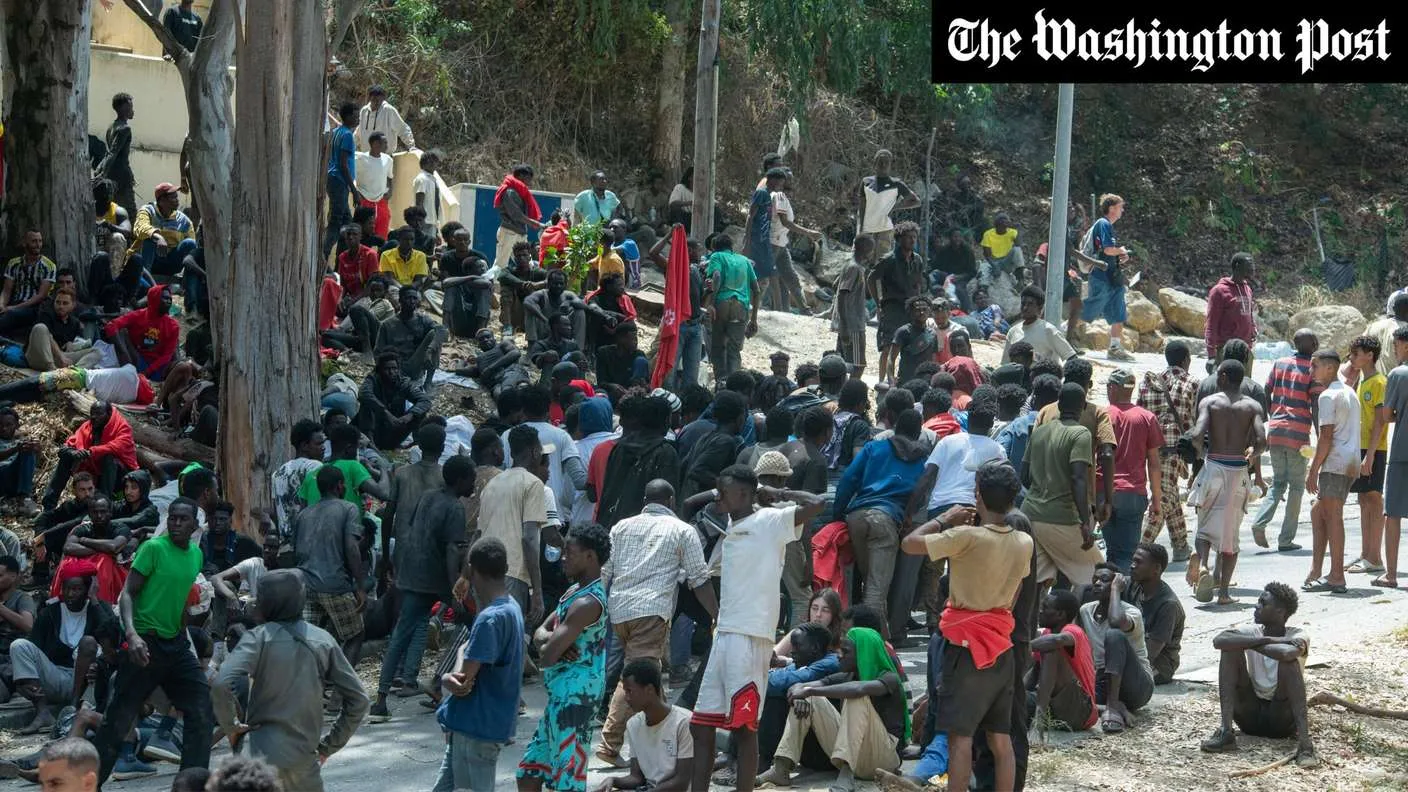

In late July, the small Spanish enclave of Ceuta, located on the northern coast of Africa, witnessed an unprecedented influx of over 70,000 migrants. This sudden surge has raised questions regarding whether it was a spontaneous movement of desperate individuals or a well-orchestrated geopolitical maneuver by Morocco. While the situation appears to follow a familiar pattern—where vulnerable populations are exploited for political ends—the intricacies of this incident suggest that there may be deeper motivations at play.
The exact circumstances that enabled such a large number of people to breach the border remain unclear. Speculation has arisen regarding the role of social media in mobilizing this movement, particularly with mysterious posts encouraging another rush on August 15. The sheer volume of individuals crossing the border in a single day has led some Spanish politicians to suspect orchestration, with fingers pointed towards Morocco and even Israel, especially given the context of Spain's Prime Minister Pedro Sánchez's vocal criticism of Israel's actions in Gaza.
Even if the rush to Ceuta began as an organic reaction to social media calls, there are suggestions that the Moroccan government may have calculated that allowing such an incident could serve its geopolitical interests. As Bart De Wever, the Belgian Prime Minister, remarked, "It seems as though there is an open door and that anyone wanting to put pressure on us can use migration as a geopolitical weapon." He further emphasized the need for Europe to tighten its borders in response to such threats.
The political ramifications of the Ceuta crisis have been significant, exacerbating tensions between Spain and Italy, both members of the Schengen Area. Following the border breach, Italy imposed border controls on flights and ferries from Spain, prompting a reciprocal response from Spain. The ongoing friction reflects broader concerns about national security and migration management in the European Union, particularly as the bloc grapples with rising anti-immigrant sentiment.
In recent years, the use of migration as a tool for political leverage has become increasingly common. For instance, Belarus has been accused of orchestrating a migrant crisis by facilitating the movement of asylum seekers towards the EU, while other nations, like Turkey and Nicaragua, have employed similar tactics to exert pressure on neighboring countries. The Ceuta incident has thus become emblematic of the complex interplay between migration, national security, and international relations.
As the crisis unfolded, Spanish authorities acted swiftly, erecting a floating barrier to deter further crossings and publicly reaffirming their commitment to reducing irregular migration. Nevertheless, the broader narrative surrounding the crisis has been seized upon by right-wing parties across Europe, who have used it to stoke fears about immigration and its perceived threats to national identity and security.
Many migrants have reported being encouraged by social media posts that suggested a reduced military presence at the border due to a national holiday in Morocco. Some believed that recent legal changes in Spain might complicate deportations, leading them to attempt the crossing despite the risks involved. As the situation continues to develop, it remains to be seen how both Spain and Europe will respond to the challenges posed by migration, particularly as they navigate the political fallout from the Ceuta crisis.
As reported by merkur.de.