
Understanding the Ceuta Crisis and Its Implications for Europe
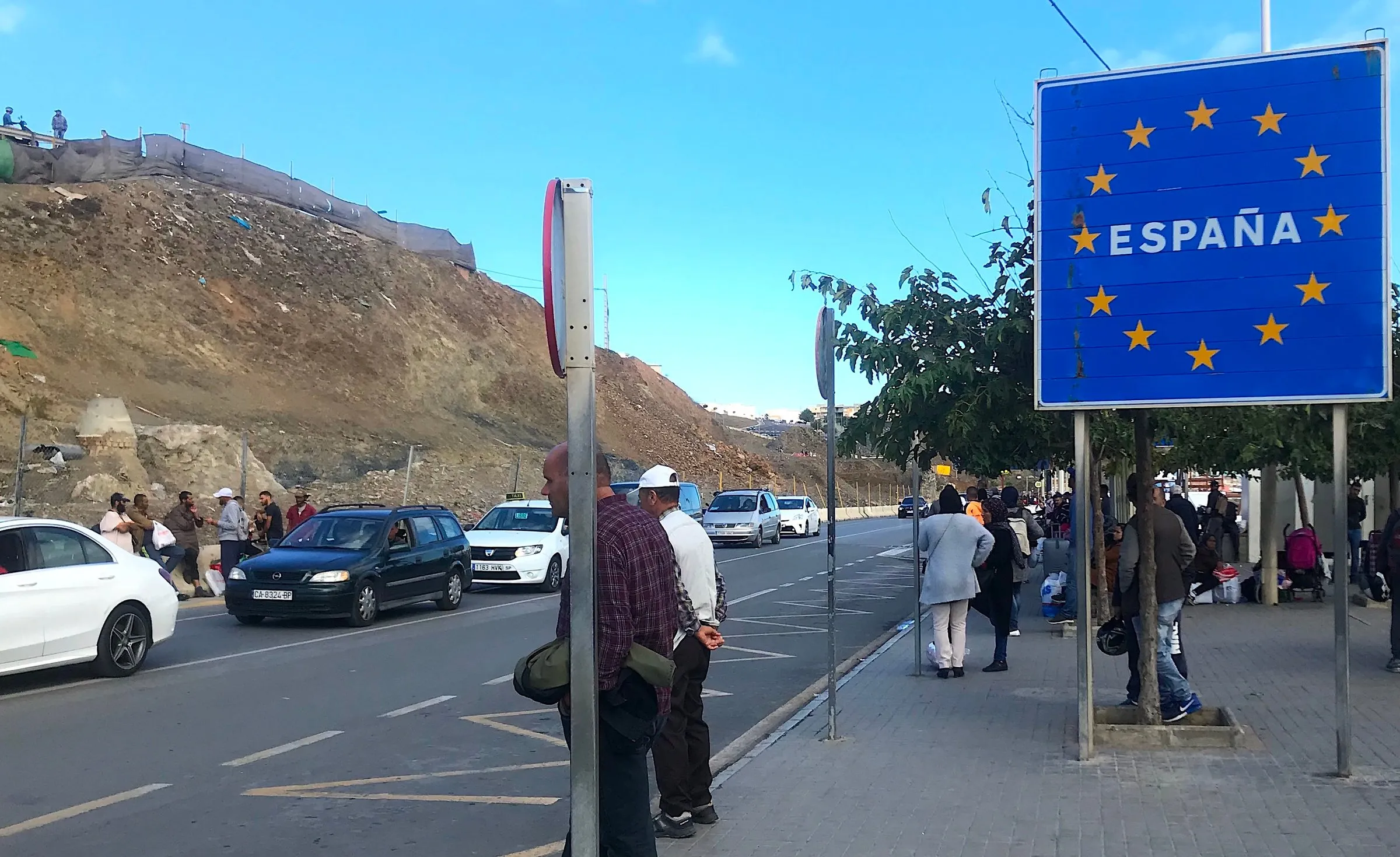
The events that unfolded in Ceuta at the end of July 2026 should not merely be categorized as another migration crisis; rather, they reveal a deeper and more concerning reality regarding Europe's reliance on Morocco for border security and political stability. The mass influx of tens of thousands of individuals from Morocco has underscored how significantly Europe has delegated its border security responsibilities to a state that has shown an adeptness at leveraging this dependence for its own political ends.
In May 2021, a similar situation arose when nearly 10,000 people entered Ceuta, igniting a diplomatic spat between Madrid and Rabat. The European Parliament responded by denouncing Morocco's manipulation of migration and border control, particularly emphasizing the plight of unaccompanied minors used as pawns in this political chess game. Fast forward five years, and Europe finds itself grappling with an even larger-scale crisis that echoes these earlier events, signaling a troubling pattern.
Investigations into the July 2026 mobilization suggest that this was not merely a spontaneous reaction but rather a well-coordinated operation orchestrated through social media platforms. An analysis conducted by Golden Owl, affiliated with the University of Alicante, revealed an organized strategy involving recruitment structures and mechanisms that effectively concealed the identities of those orchestrating the movement. This systematic approach raises crucial questions about the underlying motives and coordination behind such large-scale migrations.
Moreover, the timing of these events coincided with Morocco's Throne Day, a significant national celebration that included a speech from the king addressing economic and social progress. This connection cannot be dismissed as merely coincidental, as it points to a potential strategic use of migration as a tool for political influence. The pressing question now shifts from who initiated the social media posts to who holds the actual power to manipulate border policies and migration flows.
The Complexity of Morocco's Political Leverage
Morocco has long recognized the political significance of large-scale human mobilization. A historical reference to this is the Green March of 1975, where Morocco mobilized around 350,000 people to exert pressure on Spain regarding Western Sahara, a territory still embroiled in a complex decolonization process. While the contexts of 1975 and 2026 differ greatly, the Moroccan regime continues to employ mass population movements as instruments of political leverage, with migration emerging as a prominent tool in its arsenal.
The European Union allocates substantial funds to Morocco, aimed at assisting the country in controlling its borders, combating human trafficking, and managing migration inflows. However, this support inadvertently grants Morocco the ability to escalate the political and economic repercussions associated with its cooperation, turning its role as a gatekeeper into a source of leverage over Europe. This dynamic complicates the relationship, as it shifts from a technical cooperation model to one fraught with potential influence and coercion.
Additionally, Morocco's intelligence capabilities concerning terrorism and organized crime further enhance its position. Europe views Morocco as a crucial partner for understanding and addressing criminal and extremist networks that may extend into European territories. This creates a scenario where cooperation transcends mere technicalities, evolving into a multifaceted relationship that carries implications for European security and political stability.
The Moroccogate scandal adds another layer of complexity, revealing attempts by Morocco to sway members of the European Parliament through various forms of influence, including financial incentives and privileges. This raises critical questions about the integrity of European institutions and the potential for similar operations to exist beyond the realm of the European Parliament. Furthermore, the Pegasus affair has sparked concerns over allegations of espionage against European figures, particularly in Spain, casting a shadow over institutional security and the protection of political and media actors within the EU.
Ultimately, Europe must confront the reality that migration, intelligence sharing, political influence, and espionage cannot be viewed as isolated issues. Together, they illuminate a strategic problem: Europe has permitted excessive influence to accumulate in the hands of a single partner, one that has consistently demonstrated a lack of reliability. A migration crisis in Ceuta not only instigates social unrest but also empowers extremist factions, exacerbates tensions among European governments, undermines the foundations of the Schengen area, and fuels disinformation campaigns.
This complex interplay begs the question: who, aside from Morocco, stands to gain from using migration and security as leverage against Europe? The vulnerabilities that Morocco can exploit may also be manipulated by allied countries or third parties whose interests align with destabilizing or dividing Europe. What begins as a bilateral crisis can swiftly escalate into a broader Schengen crisis, with migration pressures serving as a catalyst for foreign disinformation efforts.
While cooperation with Morocco is inevitable due to geographical realities, it is imperative that such collaboration does not compromise the security, interests, and legal frameworks that protect European citizens. The EU's relationship with Morocco must evolve from one of dependence to one of mutual cooperation founded on respect for sovereignty and the rule of law. This is particularly pertinent in light of the European Court of Justice's rulings regarding the status of Western Sahara, which reaffirmed the territory's distinct legal standing separate from Morocco.
As Europe navigates the challenges posed by the Ceuta crisis, it must reassess its strategic priorities and ensure that no single partner possesses the capacity to simultaneously influence its borders, security intelligence, economic interests, and internal political stability. The pivotal question that arises from the Ceuta situation is not whether Morocco is a friend or foe to Europe; rather, it is whether a relationship can truly be deemed balanced if Europe finds itself apprehensive about the repercussions of ceasing cooperation with its partner. If the answer is negative, then the events in Ceuta should serve as a crucial turning point for European policy.
As reported by euobserver.com.