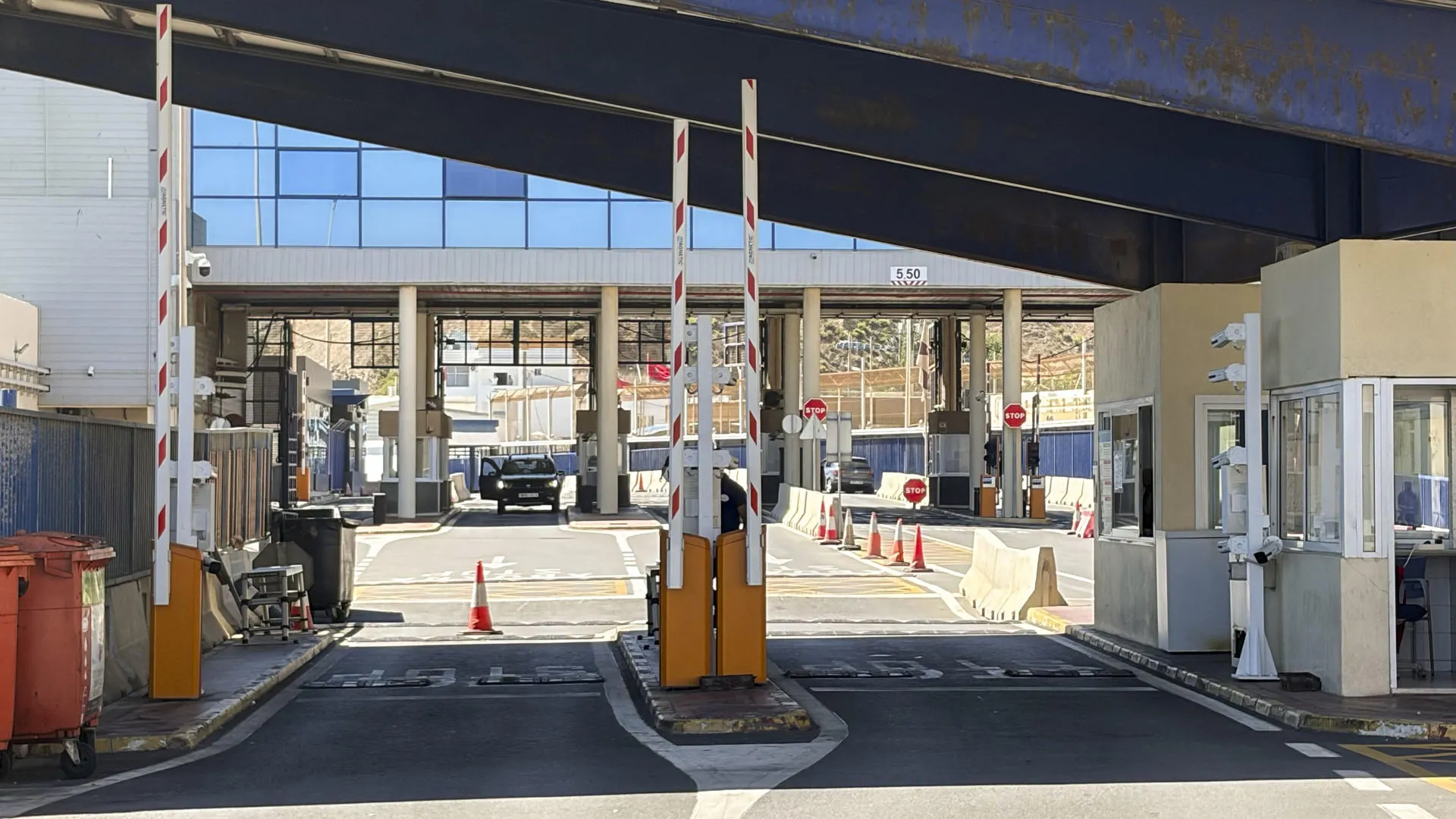
Understanding the Ceuta Crisis and Its Implications for EU Border Security
The recent surge of tens of thousands of migrants attempting to reach the Spanish enclave of Ceuta has raised significant concerns about the European Union's preparedness for future migration crises. Although the initial frenzy has subsided, the aftermath leaves a critical question lingering: Is the EU adequately equipped to handle such influxes, and should there be further fortification of its external borders? The tragic loss of around 100 lives during this crisis underscores the urgency of a cohesive response from the EU, which was initially lacking. Political scientist Carlo Masala from the Bundeswehr University in Munich remarked that if this event was a hybrid attack meant to test Europe’s resolve and ability to respond, it became clear that Europe has not passed this test. This situation amplifies the need to assess the repercussions of such crises on EU policy and migration management.
Both Ursula von der Leyen, the President of the European Commission, and various EU interior ministers have prioritized the reinforcement of the EU's external borders. Von der Leyen emphasized the necessity for enhanced monitoring and, if required, the deployment of physical barriers at critical points. The term 'physical barriers' has also been echoed by Germany's Minister of the Interior, Alexander Dobrindt, though the specifics regarding what measures are deemed necessary remain vague. A spokesperson for Dobrindt's ministry indicated that the appropriateness of measures would depend on the specific circumstances at each section of the EU's external border, placing the responsibility for detailed border security measures primarily on individual member states.
The Complexity of Physical Barriers and Their Role in Migration Management
Currently, all obstacles that signify illegal border crossings are classified as 'physical barriers.' These do not necessarily have to resemble a wall, such as the one between the United States and Mexico, even though some EU borders are fortified with walls, like the one separating Ceuta from Morocco. Walther Michl, a European law expert at the Bundeswehr University, points out existing border fences, such as those equipped with NATO wire between Greece and Turkey. Poland has largely secured its approximately 400-kilometer border with Belarus using a 2.5-meter-high fence, a strategy mirrored by Lithuania. However, the recent discovery of a tunnel through which migrants were reportedly attempting to enter Lithuania highlights the persistent vulnerabilities within these systems.
Michl suggests that the political calls for expanding physical barriers are influenced by a ruling from Spain's Supreme Court that stated migrants who overcome border barriers can be returned relatively easily. Conversely, the court noted that those who reach Ceuta by swimming have not technically crossed a border barrier. This misinterpretation may have contributed to the sudden increase in attempts to reach Ceuta, as social media propagated the message that swimming to Ceuta bypassed border constraints. Michl argues that if physical barriers hold significant legal weight, it becomes a logical next step for politicians to advocate for their expansion. Consequently, evaluations are underway to identify areas along EU external borders, both terrestrial and maritime, that currently lack effective security.
Interestingly, despite recent events, the overall number of migrants attempting to enter Europe is reportedly declining. This trend is reflected in official asylum processes and a decrease in illegal entries intercepted by the EU border police, Frontex. Nonetheless, human rights organizations express concern over the EU's shift towards a 'Fortress Europe' mentality. Observers contend that the drop in migrant numbers is primarily linked to geopolitical factors, including increased stability in Syria and significantly fortified borders between Syria and Turkey. Additionally, the EU's migration agreements with third countries appear to be yielding results, though the recent crisis in Ceuta illustrates the fragility of such arrangements, particularly in light of the ineffective collaboration between Spain and Morocco prior to the events in the enclave.
As reported by br.de.