
Understanding the Shift in Parental Involvement in Education
In today’s educational landscape, the dynamics of parental involvement have transformed significantly. The previous generation, particularly those raised in the 1970s, often navigated their educational journeys independently, relying on their own resilience and resourcefulness. This was a time when children walked long distances to school without the support of school buses or the constant presence of their parents. They learned to manage their responsibilities and tackle challenges without parental intervention, not out of fear but out of a desire not to burden their families with additional worries. Reflecting on these experiences, it becomes clear that reliance on oneself and learning from life’s difficulties served as the best teachers for many.
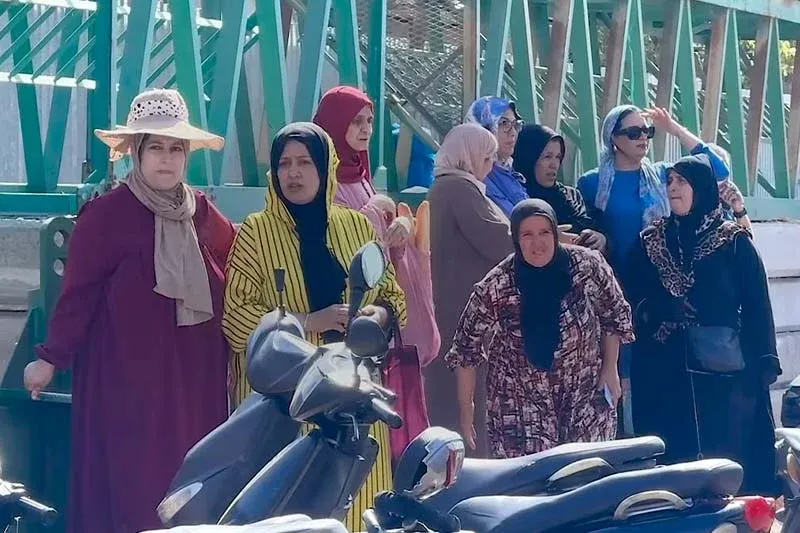
Today's scenario, however, presents a stark contrast. Many parents, particularly mothers, now accompany their children to school, sometimes even waiting at the gates until the end of the school day. This phenomenon raises questions about the impact of such involvement on children's independence. For instance, some mothers form groups outside schools, discussing local issues and personal matters, creating an environment that might inadvertently foster dependency among children. This shift may lead to a generation that struggles with self-reliance, as they are accustomed to having their parents navigate their educational hurdles.
The Implications of Overprotectiveness
The implications of this parenting approach are profound. Children who are not given the space to face challenges may develop weak personalities, ultimately struggling to cope with life’s adversities. Instances abound where mothers feel compelled to intervene during exams, standing outside school doors, driven by anxiety that may only amplify their children’s fear of testing situations. This contrasts sharply with the past, where parental support was more about encouragement from a distance rather than direct involvement. The essence of education is not merely about academic knowledge but also about developing life skills through experiences, including facing failure and overcoming obstacles.
Moreover, the chaotic scenes at school entrances, where parents block access for students and staff, highlight a growing issue of overprotectiveness that can hinder rather than help. The question arises: Are these actions truly beneficial for the children, or do they create an environment of added pressure? It is essential to strike a balance where parents can offer guidance without encroaching on their children’s ability to learn and grow independently.
Ultimately, while parental support is undeniably important, it is crucial for parents to allow their children the freedom to navigate their educational paths with autonomy. By fostering self-reliance and resilience, parents can help shape a generation capable of handling life's complexities, preparing them not only for academic success but also for life beyond the classroom. In conclusion, as society evolves, so too must our understanding of the role of parents in education, emphasizing the need for a more balanced approach that encourages independence while still providing necessary support.
As reported by hespress.com.