Closure of Glovo's Dark Stores: A Sudden Regulatory Shift
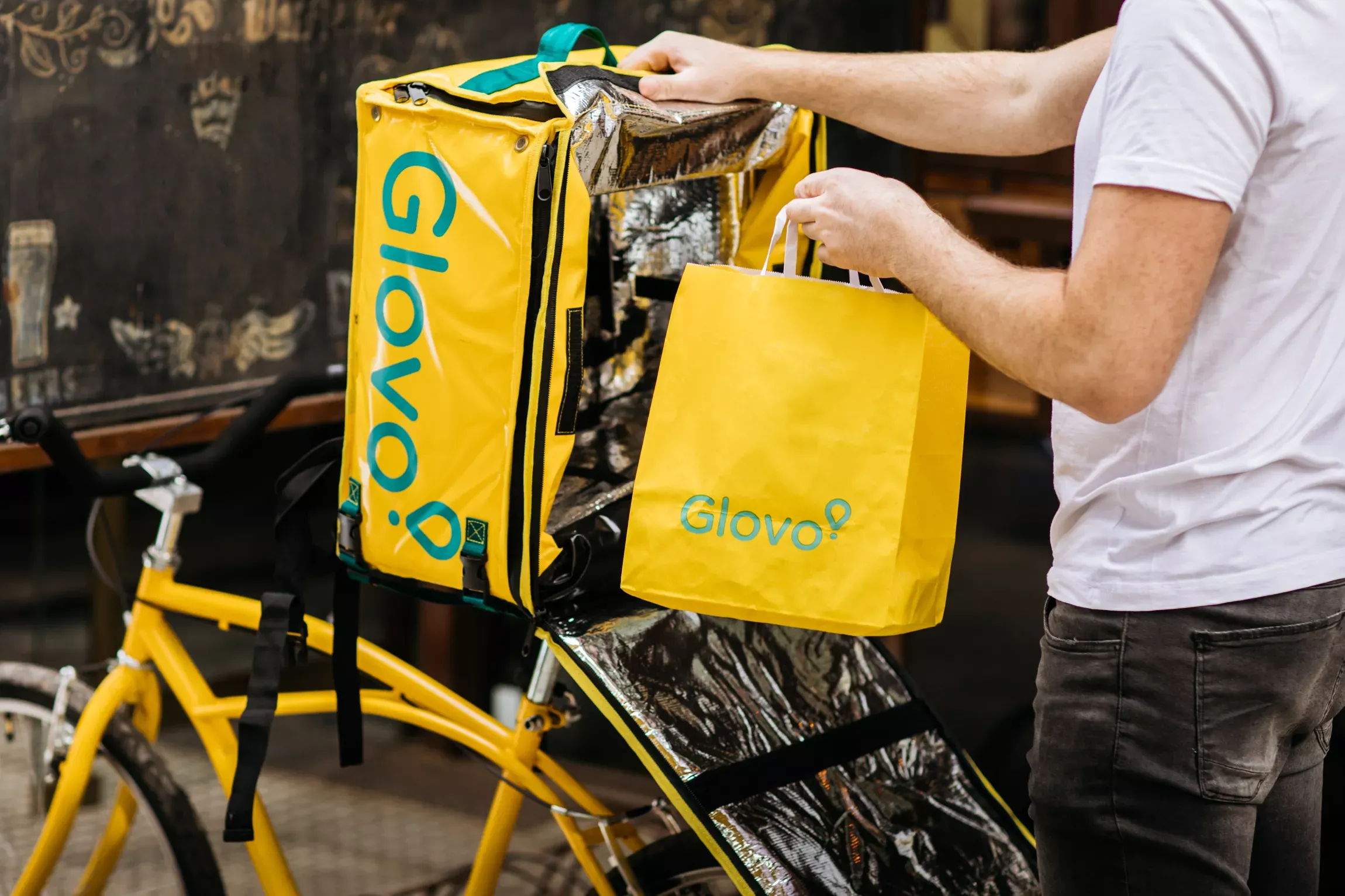
In a surprising turn of events, seven of Glovo's dark stores in Morocco abruptly ceased operations on February 26, highlighting a significant regulatory gap surrounding this innovative retail format. These closures affected locations in cities such as Tangier, Mohammedia, Casablanca, Dar Bouazza, and Marrakech, all simultaneously shutting down their activities. An internal source confirmed the extensive impact of this decision, emphasizing that every store was affected, resulting in a complete halt in operations. This unexpected move followed an administrative order issued by the authorities in the province of Nouaceur, which mandated the shutdown of the Dar Bouazza site. The sudden nature of these closures raises questions regarding the legal framework governing dark stores, which, though operational, lacked clear regulatory status in Morocco.
The Concept of Dark Stores: A New Era in Urban Retail
Dark stores, unlike traditional supermarkets or mere logistics depots, are essentially urban mini-warehouses dedicated to the online sale of everyday products. These spaces, some of which spanned an impressive 900 square meters, were organized to resemble large retail outlets, featuring aisles stocked with various consumer goods including toiletries, dairy products, frozen items, and baked goods. However, it is crucial to note that these facilities did not cater to walk-in customers for retail purchases. Instead, they operated through an app-based ordering system, facilitating quick deliveries directly to consumers or, in some instances, offering a click-and-collect service. The operations of these dark stores were independent from Glovo's partnerships with major retailers like Carrefour and Marjane, indicating a distinct business model focused on rapid delivery. Despite the abrupt closure of these dark stores, Glovo's other services in Morocco, particularly its delivery operations for restaurants and partnered businesses, continue to function as usual, demonstrating the resilience of the company's broader business strategy in the region.
As reported by telquel.ma.