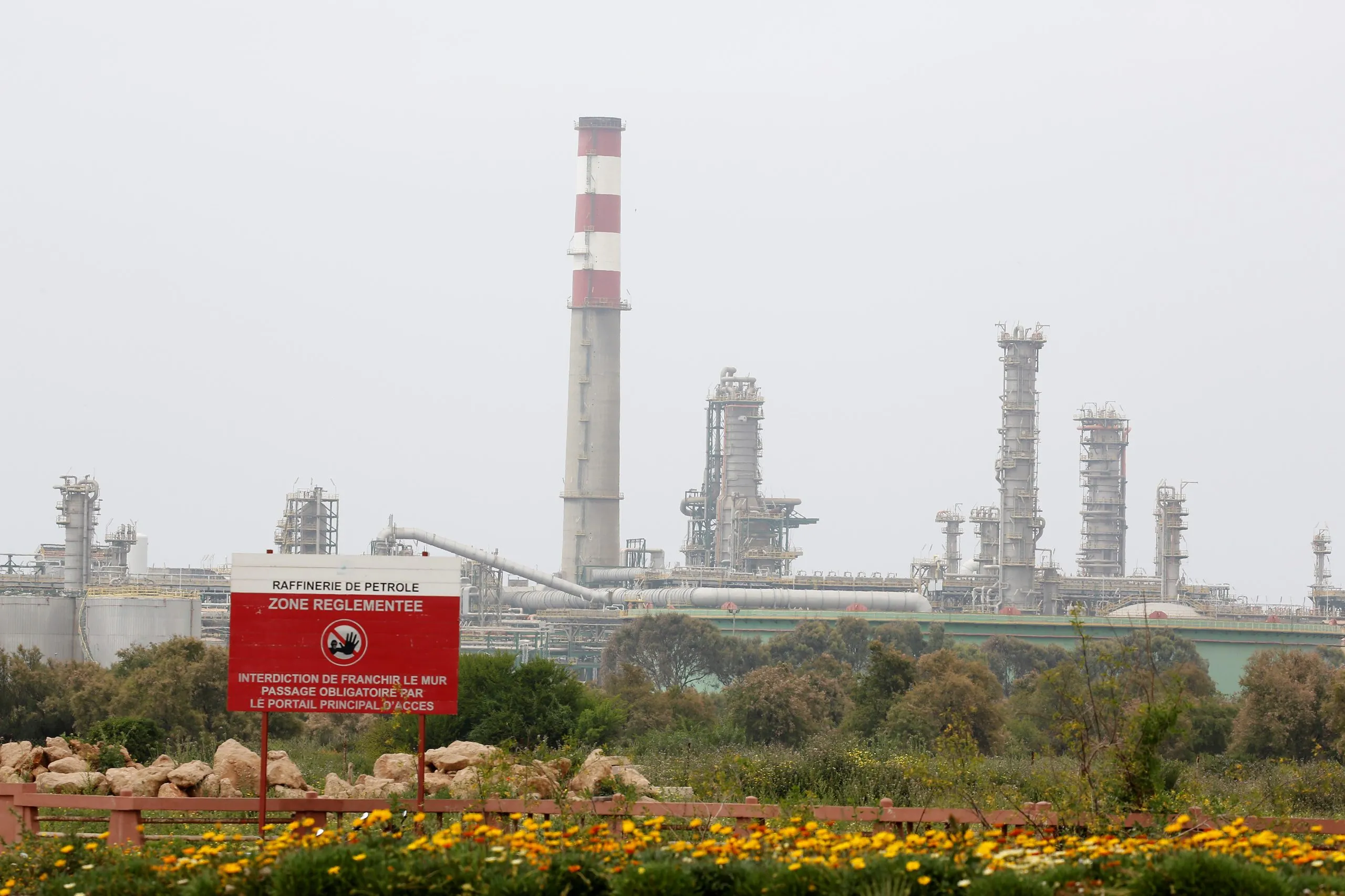

The Downfall of the Samir Refinery in Morocco
The Samir oil refinery, located in Mohammedia, Morocco, has faced a stark decline, remaining dormant since the summer of 2015. Once a vital asset with an annual capacity of 10 million tonnes and 2 million cubic meters of storage, the refinery was a cornerstone of Morocco's energy security. However, following its acquisition by Ethiopian-Saudi billionaire Mohammed Al-Amoudi in 1997, the facility has become emblematic of industrial failure, reflecting the broader consequences of mismanagement in the energy sector. Al-Amoudi's purchase of the refinery was initially seen as a strategic move, but over the years, his negligence led to a decline that would leave Morocco reliant on imported fuel for 90% of its needs, highlighting the broken promises tied to the refinery's operation.
The Broader Implications for Morocco's Energy Security
The closure of the Samir refinery has resulted in profound implications for Morocco’s energy landscape, where the nation has now become increasingly dependent on foreign sources for its fuel supply. This dependency is not merely a logistical challenge; it also poses significant economic risks, as fluctuations in global oil prices can lead to unpredictable costs for consumers and businesses alike. The downfall of the refinery is not just a tale of corporate mismanagement, but a stark reminder of the need for robust governance and sustainable management in the energy sector. As Morocco grapples with these challenges, the lessons learned from the Samir refinery's fate will be crucial in shaping its future energy policies and ensuring that the country does not repeat the mistakes of the past.
As reported by theafricareport.com.