
The Crisis at Ceuta: A Surge of Migration
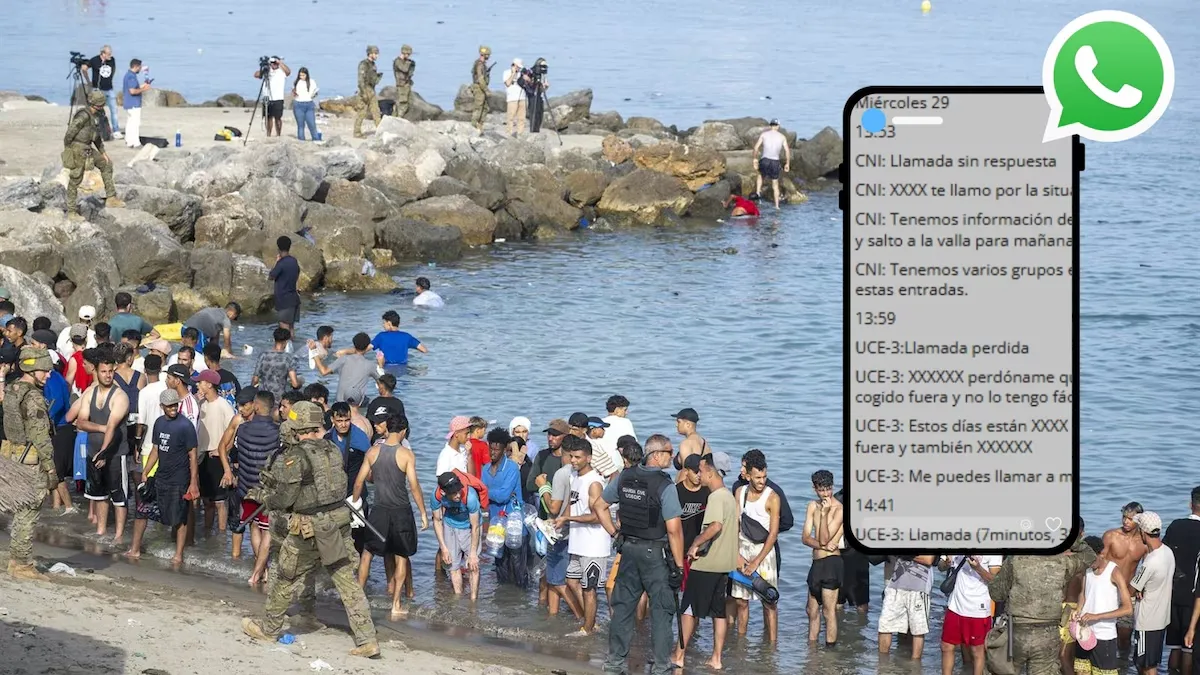
In recent days, the Spanish exclave of Ceuta witnessed an unprecedented influx of migrants, with thousands arriving within a matter of hours on Thursday. Tragically, reports indicate that 88 bodies were recovered from the sea, underscoring the perilous nature of this mass migration. In response, Spanish politicians, including Prime Minister Pedro Sánchez, traveled to the autonomous city and back to the Iberian Peninsula, while leaders from the European Union demanded answers to the unfolding crisis that has shaken Spain and the entire EU. However, for several days, there was a conspicuous silence from Morocco, the other critical player in this significant migration dilemma.
It wasn't until late Sunday evening that the Moroccan government officially addressed the situation at the El Tarajal border crossing. According to their statement, the sudden surge in migrants was attributed to misinformation circulating online, the activities of human traffickers, and a misinterpretation of a Spanish court ruling. A spokesperson remarked that Morocco has demonstrated itself to be a "reliable and responsible partner" throughout this crisis, a sentiment echoed by Madrid, which previously commended its collaboration with Rabat.
EU Interior Ministers Discuss Migration Policies
On Tuesday, the interior ministers of the EU convened to deliberate over the recent developments in Ceuta, which have sent shockwaves across Europe. Their discussions are expected to shift away from criticizing Spain's relatively liberal migration policies or border protection measures. Instead, the focus will be on countering the narratives and misinformation propagated by traffickers. A spokesperson for Interior Minister Gerhard Karner emphasized the need to eradicate false claims such as, "We will take you to Europe, and you can stay there, with or without asylum status." These misleading assertions contribute to irregular migration flows and must be addressed to prevent further escalation of the crisis. This online meeting was convened at the request of 22 of the 27 EU heads of state and government.
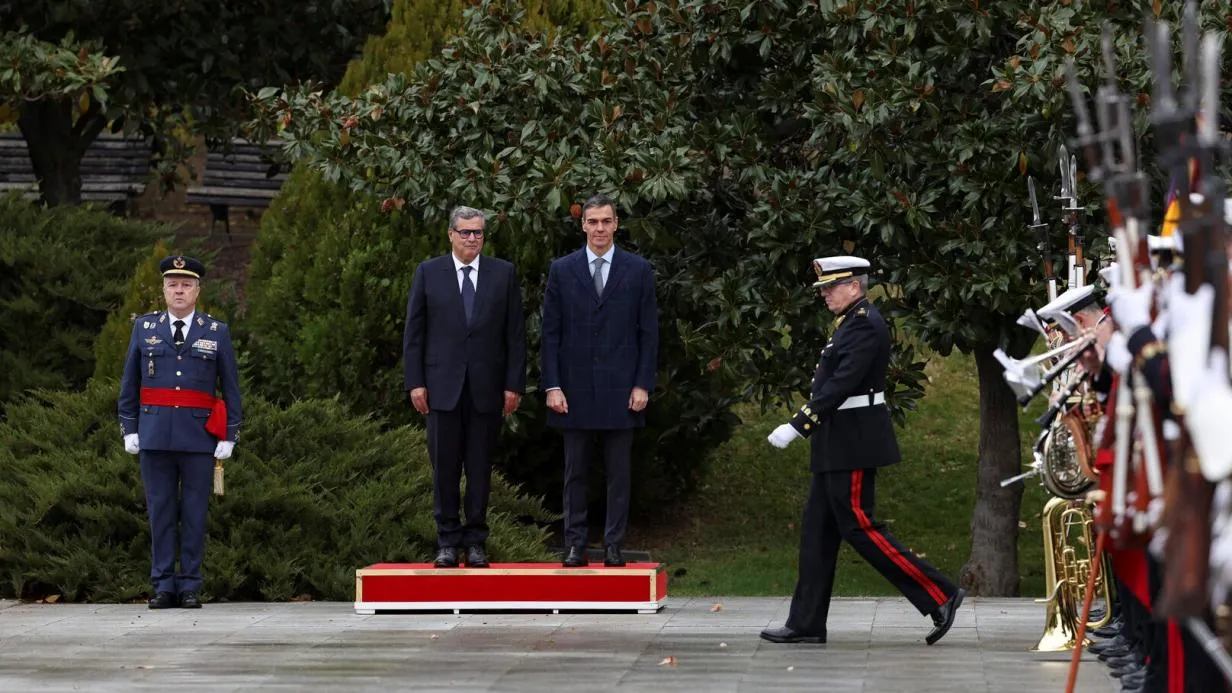
The relationship between Spain and Morocco has always been intricate, dating back to the early 1990s when Madrid sought to engage Morocco as a regional partner. A significant milestone in this partnership was the signing of the "Friendship, Neighborhood, and Cooperation Agreement" in 1991 in Rabat. Since then, the two nations have experienced alternating phases of rapprochement and estrangement, often driven by territorial disputes, particularly concerning the Spanish enclaves and the small "Parsley Island" off the Moroccan coast. The early 2000s saw military conflict over this island, during which time conservative José María Aznar was in power in Spain. It was only later, under socialist José Luis Rodríguez Zapatero, that dialogue with King Mohammed VI resumed, and the relationship was elevated under Pedro Sánchez, who designated Morocco as a "strategic partner" until the rift in 2021.
The tensions peaked during the COVID-19 pandemic when Spain provided medical assistance to a leader of the Western Sahara independence movement, prompting Morocco to open the borders to 10,000 migrants heading to Ceuta within hours. This pressure tactic proved effective, as Madrid shifted its stance on Western Sahara in 2022, opting to support Morocco's plan for autonomy over independence, thus straining relations with Algeria.
Spain has historically sought to maintain a balance between these regional adversaries, as it is heavily reliant on both. Algeria is a significant gas supplier, while Morocco is a crucial ally in trade, drug smuggling prevention, and migration management. The underlying factors contributing to the recent crisis have yet to be fully clarified. However, Spanish intelligence agencies now believe that while the mass influx was not initially orchestrated by Moroccan authorities, it was not actively obstructed either.
Furthermore, Rabat appears to be attempting to leverage this situation for political gain, redirecting international attention to the Spanish enclaves of Ceuta and Melilla, to which Morocco lays claim. Recent reports from Moroccan media suggest that the question is no longer whether Morocco will one day reclaim these territories, but rather when that will happen.
As reported by kurier.at.