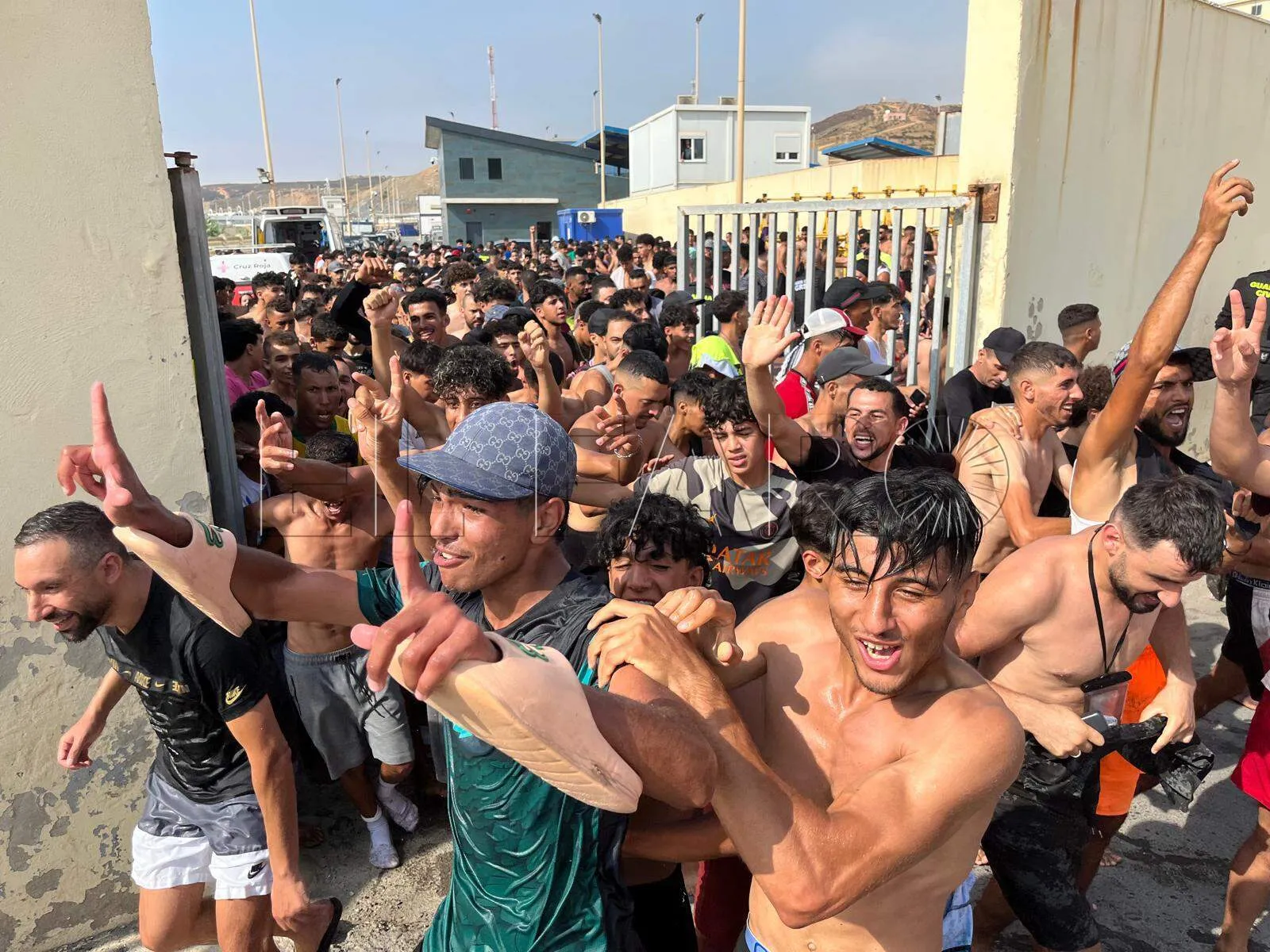
The intricate relationship between Spain and Morocco is characterized by a profound interdependence that translates into significant economic ties, with bilateral trade projected to reach an impressive €22.757 billion by 2025. This partnership is underscored by the presence of major Spanish companies such as Gestamp, Antolín, and Inditex, which have established operations in the Maghreb region. However, this relationship is not without its challenges; the factors influencing logistics, migration, and security issues, such as the Ceuta crisis, elevate the stakes of their interactions. According to Manuel Antonio Fernández-Villacañas, a professor at EAE Business School, any prolonged dispute between these neighboring countries would likely incur greater costs for Morocco, given the asymmetrical nature of their economic dynamics.
Trade Balance and Key Industries
Historically, Spain has enjoyed a trade surplus with Morocco, with trade exchanges experiencing rapid growth over the last decade, particularly with a notable increase of 12.8% in 2017. However, starting in 2018, this growth rate has moderated, remaining below 3%. In the most recent fiscal year, Spanish exports to Morocco saw a decline of 4.1%, coinciding with a reduction in fuel sales due to the influx of Russian diesel into the Moroccan market, while imports from Morocco increased by 6%. Nonetheless, Spain remains an essential trading partner for the North African nation. According to the ICEX country report, the European Union (EU) stands as Morocco's primary trading partner, with Spain leading as the top bilateral partner for both exports and imports.
In the first half of 2026, Spanish exports to Morocco rose by 3.5%, reaching €6.420 billion, accounting for 3.2% of total Spanish exports, while imports increased by 4.1%, totaling €5.795 billion, which represents 2.5% of total imports. The intensity of this relationship is particularly evident in sectors such as automotive components and textiles. The automotive sector is Morocco's leading export industry, with 90% of its production directed towards international markets, primarily the EU, where Spain absorbs 20% of these exports. This growth is fueled by major European players like Renault and Stellantis, which have established manufacturing bases in cities such as Tangier and Kenitra, operating under a 'twin poles' strategy in conjunction with facilities in Spain.
The ICEX has noted a growing number of Spanish suppliers, with over 90 companies within the Basque Country cluster providing advanced materials like green steel. The Spanish Automotive Suppliers Association (Sernauto) views Morocco as a strategic market due to the development of an ecosystem where companies such as Gestamp, Antolín, CIE, and Ficosa have already established themselves, highlighting the geographical proximity as a significant strategic asset. Fernández-Villacañas emphasizes that while Chinese suppliers may offer competitive prices and German firms may provide advanced technology, no other player can replicate the physical proximity that Spain offers.
Psychological Impact and Tourism Potential
From an analytical perspective, any significant disruption in commercial relations could result in adverse effects for both nations. Spain would potentially lose market share for its exporters; however, its larger size and greater geographical diversification would allow it to absorb these losses more effectively. Conversely, Morocco could face more structural impacts on industrial employment and its reputation as a manufacturing hub oriented towards the European market. The potential for a 'psychological impact' on markets is also noteworthy, as economic confrontation with Spain may create unease among international investors who view the relationship as a cornerstone of Maghreb integration with the EU.
This dynamic is also relevant in the textile industry, which focuses on producing mid-range garments and relies heavily on exports to the EU, particularly to Spain, due to the 'locomotive effect' created by companies like Inditex. The Spanish group's 2025 report highlights how part of Inditex's value chain consists of non-exclusive suppliers and manufacturers organized into ten clusters, one of which is located in Morocco, where Inditex operates 35 stores.
Moreover, Spain ranks as the second-largest source of tourists for Morocco, with 4.6 million visitors in 2025, marking a 12% year-on-year increase, second only to France according to the Moroccan Ministry of Tourism. Tourism plays a critical role for Morocco, as the structural deficit in its goods trade balance is partially offset by a surplus in services, bolstered by tourism and remittances from Moroccans living abroad. The Moroccan government has positioned tourism as a key pillar of its economic growth strategy, aiming to establish itself among the top fifteen tourist destinations globally. This presents opportunities for Spanish companies in sectors such as hotel construction and renovation, aligning with established brands like Barceló, Be Live, Meliá, and Iberostar that already operate in the region.
As reported by efe.com.