
Understanding the Migratory Crisis and its Historical Context
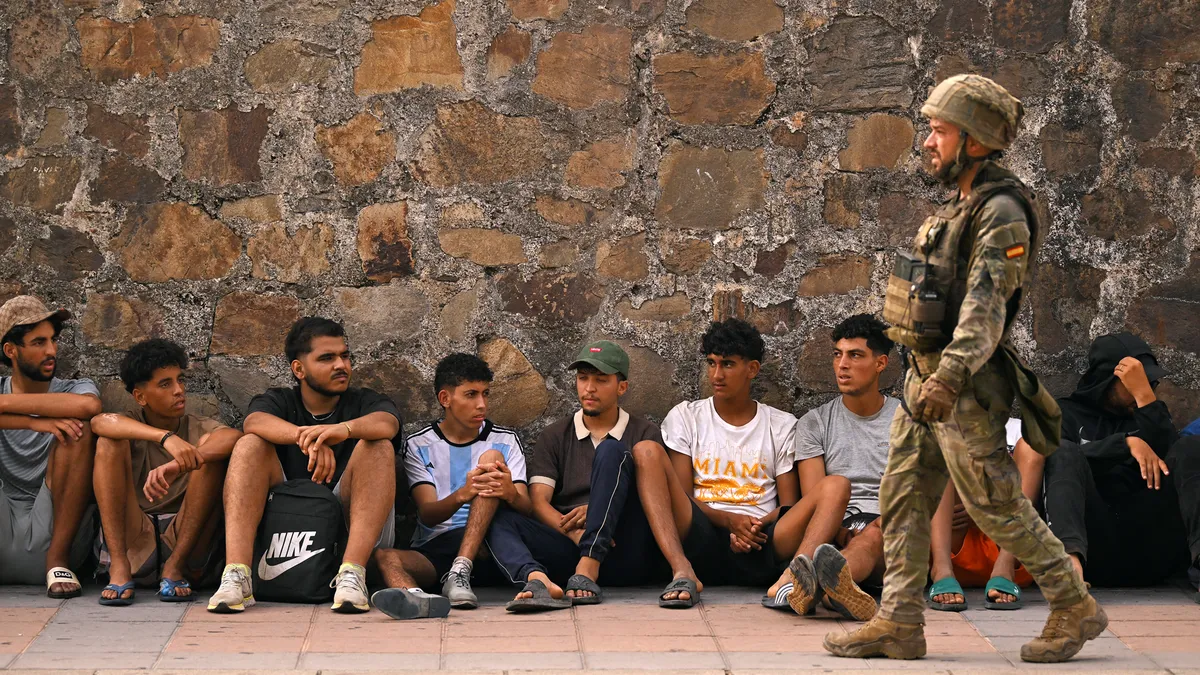
Recently, the arrival of 50,000 individuals in the Spanish enclave of Ceuta has sent shockwaves through the European Union, igniting a flurry of theories regarding the motivations behind this unprecedented migration wave. Speculation has emerged, questioning whether figures such as Donald Trump, Israeli Prime Minister Benjamin Netanyahu, or even Moroccan authorities played a role in orchestrating this event. The situation is emblematic of a broader struggle that traces its roots back to the 1975 Green March, initiated by the then-Moroccan King Hassan II, which sought to assert Morocco's claim over the Western Sahara, a territory rich in resources and strategic significance. The outcomes of this historical claim continue to reverberate, raising concerns about potential future conflicts in the region.
The violent images of migrants facing brutal treatment at the borders of Melilla have shocked the world, revealing the harsh realities at the EU's external borders in Africa. Human rights organizations are now calling for investigations into these incidents, emphasizing that the plight of these individuals is not merely a momentary crisis but a continuation of decades of political and territorial disputes involving the Western Sahara. The complex interplay among various actors, including Spanish politics, Moroccan governance, and international relations, has created a situation where the interests of the involved parties often overshadow the humanitarian needs of those fleeing dire circumstances.
The Geopolitical Ramifications of Western Sahara's Sovereignty
The status of the Western Sahara remains a contentious issue, with Morocco continuously undermining United Nations resolutions aimed at facilitating a referendum for the Sahrawi people. This has led to the settlement of hundreds of thousands of Moroccans in the region, complicating the demographic landscape and further entrenching the conflict. The animosity between Morocco and Algeria, with Algeria positioning itself as a staunch advocate for Sahrawi independence, has the potential to escalate into military confrontations, particularly as both nations vie for control and influence over the region.
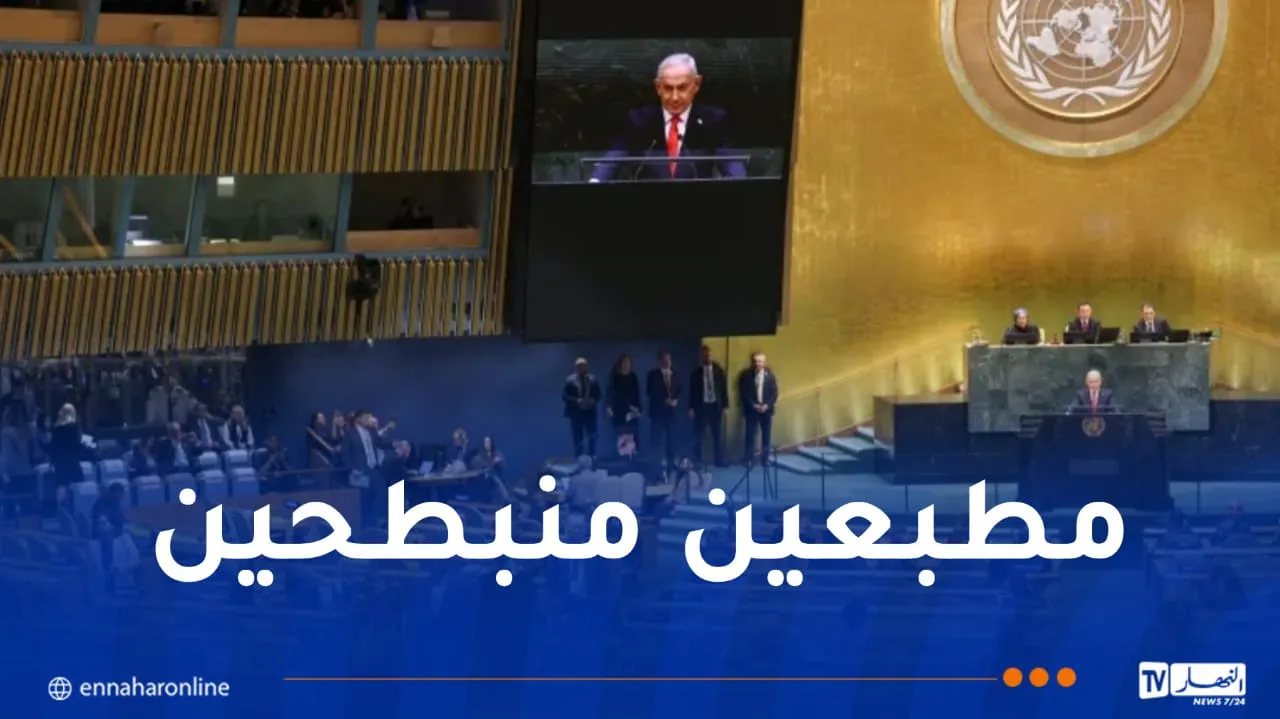
Moreover, the involvement of external powers such as Israel, particularly during Donald Trump's presidency, has added another layer to this geopolitical puzzle. Trump's recognition of Moroccan sovereignty over the Western Sahara in exchange for Morocco's participation in the Abraham Accords reshaped regional dynamics, positioning Israel as a significant player in Morocco's military and economic landscape. This geopolitical realignment has been further complicated by France's military withdrawal from the Sahel region and the resultant shifts toward Russian and Chinese influence, which have prompted concerns over neocolonial undertones in counter-terrorism efforts.
Spain's approach to its former colonies and its relationship with Morocco has also evolved significantly. Prime Minister Pedro Sánchez's endorsement of Morocco's autonomy plan for the Western Sahara in 2022 was met with backlash from Algeria, which subsequently halted gas supplies to Spain. Sánchez's recent state visit to Algeria indicates a recalibration of Spain's foreign policy, reflecting a nuanced understanding of the changing geopolitical landscape and the need for sustainable diplomatic relations, especially given the EU's precarious energy needs.
As the EU grapples with its energy crisis, the shift towards Algeria, a more economically favorable partner, illustrates the complexities of international relations in North Africa. The recent agreements signed between Algeria and Germany, focusing on economic cooperation and energy transfer, signify a broader trend towards realignment in the region. The EU's support for Sánchez amidst the migratory challenges at Ceuta highlights a growing recognition of the necessity for an independent foreign policy that is responsive to both humanitarian and strategic interests.
As reported by freitag.de.