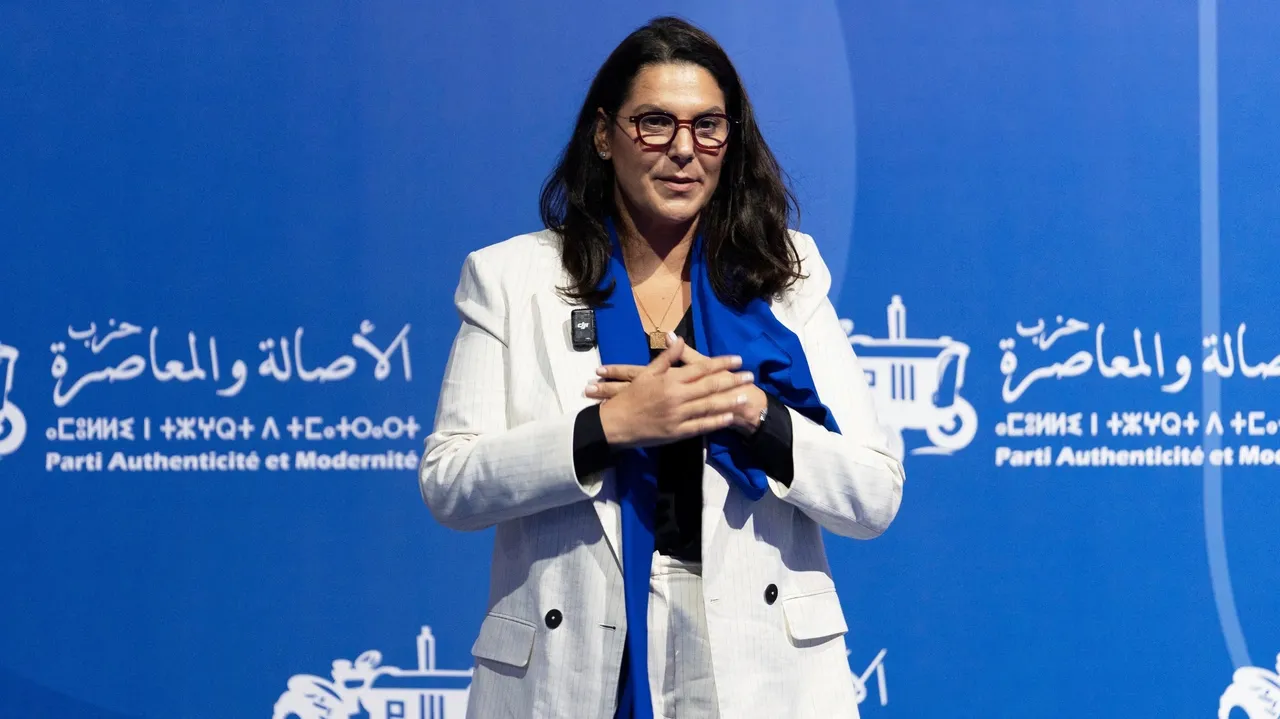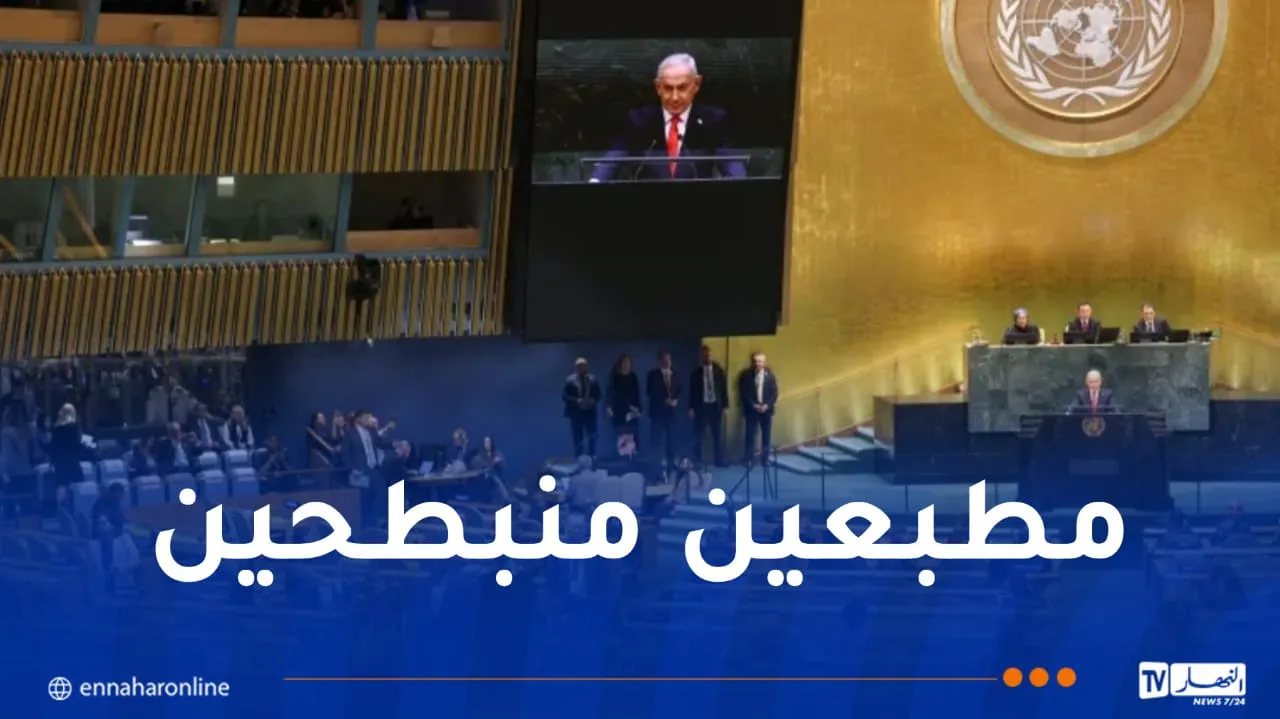

In a scene that unveiled the masks and exposed the vulnerabilities of diplomatic positions, representatives from Morocco and the United Arab Emirates chose to stand in the shadows of history, attending and applauding Benjamin Netanyahu's speech at the United Nations General Assembly, while 77 other nations opted to withdraw in a collective act of dignity and humanity. This stark contrast highlights the ongoing complexities of international relations, particularly in the context of the Palestinian cause.
During the 81st session of the UN General Assembly held in New York, a notable number of delegations walked out in protest against war criminal Netanyahu's address. The atmosphere was charged with chants and demonstrations as numerous countries left their seats before his speech commenced, leaving large sections of the hall vacant. Despite this significant display of dissent against the brutality of Israeli occupation and its associated crimes, representatives from the UAE, Morocco, and Bahrain remained seated, signaling a troubling alignment with the status quo.
This unsettling presence and silent complicity within the assembly was not merely a fleeting diplomatic choice; it served as a profound emotional shock and a blatant betrayal of the positions held by many Arab and Islamic nations. By bestowing legitimacy upon an international pariah stained with the blood of innocents, these representatives inscribed a new chapter of disappointment in the collective memory of the peoples who neither forget nor forgive such actions. While dozens of countries took proactive stances by exiting the hall to underscore their rejection of the ongoing atrocities in Gaza, those who have normalized relations and compromised their national identities chose to embody a stance of betrayal, undermining direct support for the Palestinian cause, which should have been a priority for nations claiming solidarity with fellow Arabs and Muslims.
Morocco's Shameful Speech at the UN: A Cover for Occupation Crimes
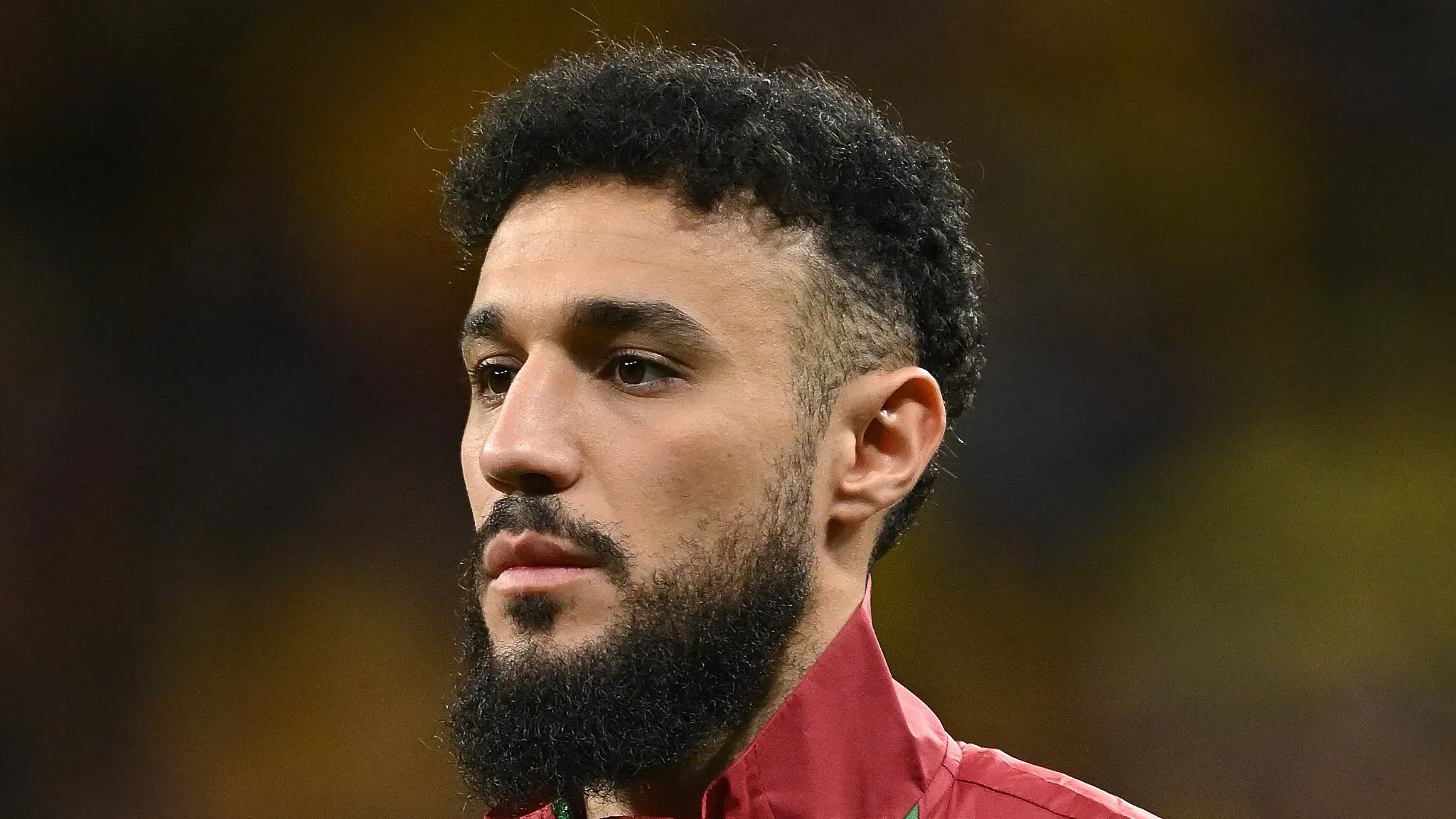
Compounding this disgraceful stance, the Moroccan regime did not merely listen and applaud the war criminal Netanyahu; it actively supported his position, delivering a new blow to the Palestinian struggle in a desperate attempt to obscure the crimes of Israeli occupation. Moroccan Foreign Minister Nasser Bourita addressed the UN General Assembly, speaking about combating what he termed "violent extremism," even as the Israeli war on Gaza raged on, exacerbating the humanitarian crisis in the Palestinian territories. His speech focused on condemning Palestinian resistance rather than shedding light on the overwhelming human casualties and devastation resulting from the war in Gaza.
Bourita's remarks prompted backlash, with critics arguing that discussing resistance at such a critical juncture ignored the context of the situation in Palestine, where civilian casualties and the destruction of infrastructure in Gaza have reached alarming levels. This address coincided with the evolving relations between Morocco and Israel, as both sides agreed to elevate diplomatic representation, exchange ambassadors, and open embassies, continuing the normalization process that officially began in 2020.
The UAE and Israel: A Betrayal Manifested at the UN
The UN assembly revealed a significant rapprochement between the UAE and Israel. While numerous delegations chose to exit in protest of Netanyahu’s speech, the Emirati delegation decided to remain and listen, embodying a troubling alignment. Netanyahu’s address included a controversial recounting of an operation in Lebanon that resulted in the deaths and injuries of thousands, including civilians. Despite the gravity of this narrative, the Emirati representatives chose to remain seated, listening attentively and even applauding, which many viewed as a betrayal of their Arab and religious brethren.
This speech came at a time when international criticism of Israel's military actions was intensifying, highlighting the escalation of casualties among Palestinians. The relationship between the UAE and Israel has evolved over recent years into a complex web of mutual interests, extending beyond diplomatic ties to encompass agreements in trade, investment, energy, technology, defense, and tourism. This transformation suggests that normalization between Abu Dhabi and Tel Aviv transcends mere diplomatic representation, as it increasingly reflects in the UAE's chosen positions on international platforms during critical moments.
As voices around the world rise in condemnation of genocidal actions and call for severing ties with the occupying entity, the normalization regimes in the UAE and Morocco continue to embrace the occupation, brazenly denying the legitimate rights of the Palestinian people. The shameful attendance and attempts to sanitize the image of the occupation on international platforms represent not just a diplomatic deviation but a betrayal that will haunt its architects. The blood of children in Gaza and the chronicles of history will relentlessly pursue those complicit in such actions, while the pages of normalization will be relegated to the annals of history marked by treachery.
As reported by ennaharonline.com.